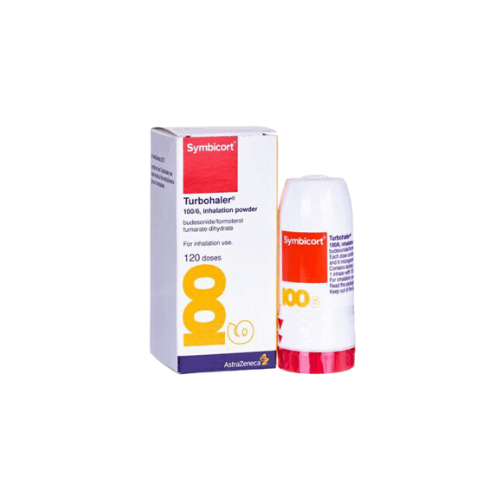
Symbicort is a budesonide formoterol inhaler used for long-term asthma and chronic obstructive pulmonary disease care in appropriate patients. You can buy Symbicort inhaler online, view the current amount shown for the inhaler, and choose the available strength that matches your clinician’s directions. The strength, device, and quantity should match the treatment record or the label on your current inhaler.
This combination inhaler contains budesonide, an inhaled corticosteroid that helps reduce airway inflammation, and formoterol, a long-acting bronchodilator that helps relax airway muscles. It is used as maintenance treatment, not as the main treatment for sudden severe breathing symptoms that need rescue care or emergency attention.
Symbicort Inhaler Price and Strength Selection
The Symbicort inhaler price depends on the strength, quantity, and inhaler presentation chosen during ordering. Start by matching the medicine name, strength, and package quantity to your clinician’s directions. A lower total for a different strength or device may not represent the inhaler you were told to use.
Common Symbicort strengths include 80/4.5 mcg and 160/4.5 mcg per actuation. The first number refers to budesonide, and the second number refers to formoterol. These numbers do not describe the number of inhalers supplied, the number of refills, or the number of treatment days.
| Ordering detail | What to match |
|---|---|
| Strength | Use the 80/4.5 or 160/4.5 mcg per actuation strength directed for you. |
| Device | Confirm the inhaler format matches the device you were taught to use. |
| Quantity | Look at the number of inhalers, actuations, or pack information shown. |
| Brand or generic | Match active ingredients, strength units, and inhaler instructions before switching. |
Why it matters: Strength and device differences can change how the medicine fits your care plan.
When estimating Symbicort cost without insurance, separate the inhaler amount from any later service, processing, or delivery charges shown during checkout. Cash-pay comparisons work best when they use the same strength, device, and quantity. If the order involves US delivery from Canada, enter the recipient name, address, and contact information carefully so follow-up is not delayed.
How to Order Symbicort Online
Choose the Symbicort strength and quantity that correspond to your current treatment directions, then review the contact and health information requested during ordering. We may help confirm order information when clarification is needed, especially if the inhaler name, strength, or quantity does not match the record provided.
Keep a clear photo of your inhaler label available while ordering. The label can help you distinguish Symbicort 80/4.5 inhaler from Symbicort 160/4.5 inhaler, and it may also show the device instructions or refill information used by your care team.
If you are comparing Symbicort price US delivery from Canada, focus first on the medicine and quantity. Delivery method, handling steps, and address accuracy can affect the final checkout experience, but they should not be used to choose a different strength. Respiratory products can also be browsed through the Respiratory Products category when your clinician has discussed more than one inhaler.
What Symbicort Treats
Symbicort may be used for maintenance treatment of asthma and for chronic obstructive pulmonary disease, including chronic bronchitis and emphysema. In asthma care, it helps control airway inflammation and bronchospasm over time. In COPD care, it can be part of a long-term plan to reduce symptoms and support breathing when used as directed.
This inhaler is not a rescue inhaler for sudden severe breathing problems. Many people with asthma or COPD also have a separate quick-relief inhaler. Ask your clinician which inhaler is for daily maintenance, which one is for sudden symptoms, and when urgent care is needed.
Treatment schedules can differ by diagnosis, age, symptom pattern, and other medicines. Do not change the number of inhalations or switch between strengths because of online price differences. If your symptoms have recently worsened, or if you needed urgent care, confirm whether the same inhaler strength still fits your plan before refilling.
For condition-based browsing, the Asthma Products and Chronic Obstructive Pulmonary Disease Products sections organize related respiratory medicines. These sections are useful for comparing names and devices that have already been discussed with a clinician.
Active Ingredients and Device Basics
Symbicort combines budesonide and formoterol in one metered-dose inhaler. Budesonide is an inhaled corticosteroid, which means it helps reduce inflammation inside the airways. Formoterol is a long-acting beta2-agonist, often called a LABA, which helps relax airway muscles and keep airways more open.
Metered-dose inhalers require correct technique. Shaking, priming, inhaling at the right time, cleaning the mouthpiece, and tracking remaining doses can affect the amount of medicine delivered. If you have been taught on a different inhaler, do not assume the same steps apply without reading the official Instructions for Use or asking a pharmacist or clinician to observe your technique.
Some respiratory medicines look similar but use different devices or active ingredients. A dry-powder inhaler, a metered-dose inhaler, and a multi-ingredient COPD inhaler may all be used for breathing conditions, yet they are not automatically interchangeable. Match the exact active ingredients, strength, and device instructions before making any product change.
- Strength: Confirm the mcg per actuation shown for budesonide and formoterol.
- Technique: Follow priming, shaking, inhalation, and cleaning instructions for the device.
- Counter: Use the dose counter or package directions instead of relying on canister feel.
- Rinsing: Rinse your mouth after use if directed to lower the chance of oral thrush.
Brand, Generic, and Budesonide Formoterol Choices
Symbicort is the brand name for a budesonide formoterol inhaler. Some ordering screens or pharmacy records may also refer to the active ingredients rather than the brand. Brand and generic naming can vary by market, so compare the active ingredients and strength units instead of relying on the name alone.
If a budesonide formoterol inhaler is considered as an alternative, the practical questions are specific. Does it contain the same active ingredients? Does the strength per actuation match? Is the device used the same way? Does the quantity provide the inhalations expected by your treatment plan?
Do not substitute another asthma or COPD inhaler just because it contains a corticosteroid, a bronchodilator, or both. Products in the same broad class may use different ingredients, dose delivery systems, and instructions. A clinician should decide whether a different inhaler is appropriate.
Storage, Handling, and Travel
Store Symbicort at room temperature according to the package directions, and protect the inhaler from excessive heat. The canister is pressurized, so it should not be punctured, burned, or left in a hot car. Keep the inhaler away from children and pets.
Before travel, check the dose counter and carry enough medicine for the trip. Keep the inhaler in its labeled packaging when possible, especially if you need to explain the medicine at a security checkpoint or during a medical visit. If any handling note arrives with the inhaler, read it before storing it with other respiratory medicines.
A canister may still make a sound or release spray after the labeled number of actuations has been used. Do not rely on weight or sound to decide whether medicine remains. Follow the official discard instructions so each dose is more likely to be delivered as intended.
Quick tip: Mark a refill reminder before the counter reaches zero.
Side Effects, Warnings, and Monitoring
Common side effects may include throat irritation, hoarseness, headache, cough, upper respiratory infection symptoms, nausea, vomiting, back pain, tremor, nervousness, or a fast heartbeat. Rinsing the mouth after use may reduce the chance of oral thrush, a fungal infection that can cause white patches, soreness, or changes in taste.
Serious reactions need prompt medical attention. Seek urgent help for severe wheezing, bluish lips, chest pain, fainting, swelling of the face or throat, hives, or breathing that suddenly worsens after using the inhaler. Worsening symptoms, increased rescue inhaler use, or nighttime breathing problems can mean the treatment plan needs medical review.
People with certain health conditions may need additional monitoring. Tell your clinician about heart rhythm problems, high blood pressure, seizures, thyroid disease, diabetes, glaucoma, cataracts, osteoporosis, liver disease, immune-system problems, tuberculosis exposure, current infections, pregnancy, or breastfeeding. Children and adolescents using inhaled corticosteroids may need growth monitoring.
Important interaction checks include beta-blockers, diuretics, tricyclic antidepressants, monoamine oxidase inhibitors, medicines that affect heart rhythm, and strong CYP3A4 inhibitors such as some antifungals or HIV medicines. Other long-acting beta2-agonist inhalers should not be combined with Symbicort unless the clinician has specifically accounted for that combination.
- Oral changes: Report persistent soreness, white patches, or trouble swallowing.
- COPD infection signs: Report fever, increased sputum, or worsening shortness of breath.
- Heart symptoms: Ask for guidance about palpitations, chest discomfort, or severe dizziness.
- Long-term use: Discuss eye, bone, infection, and symptom monitoring when refilling regularly.
Questions to Ask Before Refilling
Refill decisions are safest when they reflect your current symptoms and inhaler technique. Ask whether your maintenance inhaler, rescue inhaler, and action plan still match your condition. If symptoms changed after a hospital visit, infection, new diagnosis, or medicine change, the correct strength or device may also need review.
Ask what to do if you miss a dose, if the inhaler counter reaches zero, or if the device is dropped or clogged. Also ask whether vaccines, lung function testing, peak-flow monitoring, or follow-up visits are recommended for your asthma or COPD care.
If side effects began after a new inhaler, write down the date, dose timing, symptoms, and other medicines taken that day. That information helps your care team evaluate whether the inhaler, technique, infection, or another medicine may be contributing.
Related Respiratory Choices
Symbicort belongs to a broader group of maintenance respiratory medicines, but related products are not automatically substitutes. The active ingredients, inhaler device, strength, dosing schedule, and approved use can differ. Use product categories to organize choices, then rely on clinician direction for treatment changes.
The Respiratory Articles section can help explain inhaler technique, asthma terms, and COPD care topics in plain language. Educational reading can support questions for your clinician, but it should not replace individual medical instructions.
If another medicine has been discussed, compare the active ingredients and device closely. Some inhalers combine an inhaled corticosteroid with a LABA, while others include additional bronchodilator classes or use a dry-powder device. Substitution should follow a clinician’s treatment plan, not a general product similarity.
Authoritative Sources
Use official medicine information for device steps, safety warnings, and approved-use language. The Official Instructions for Use explains priming, shaking, cleaning, and inhaler handling. The budesonide formoterol asthma medicine overview provides patient-friendly context about the medicine class.
This content is for informational purposes only and is not a substitute for professional medical advice.