

Hypoglycemia Aids
Hypoglycemia Aids Products and Options
Browse Hypoglycemia Aids for patients and caregivers comparing low blood sugar supplies, rescue products, monitors, and related diabetes care categories.
Explore optionsChoose your medication
Every product in this category, in the order patients choose them most. Open a product to see every strength, quantity price and the prescription details.
Prices in USD, the lowest price for each product; your dose and quantity set the final price.
Shipping, shown before you pay

Express Shipping, 3-5 days
$39.99 USD cold-packedCold-packed products must ship Express, in medical-grade, temperature-controlled packaging. Dry-packed products ship Express for $29.99. A $50.00 surcharge may apply to cold-packed orders of less than 3 units.

Standard Shipping, 5-10 days
$19.99 USD dry-packedFor dry-packed products only; not available for cold-packed products. Shipping to Hawaii, Alaska and Puerto Rico may need additional charges. A $35.00 surcharge may apply to orders of $300.00 or less. See our shipping policy
Compare the most ordered
Active ingredient, comparison prices and starting price for the products patients order most in this category. Your prescriber decides what is right for you.
| Product | Active ingredient | US / Canadian comparison | Starting price (USD) |
|---|---|---|---|
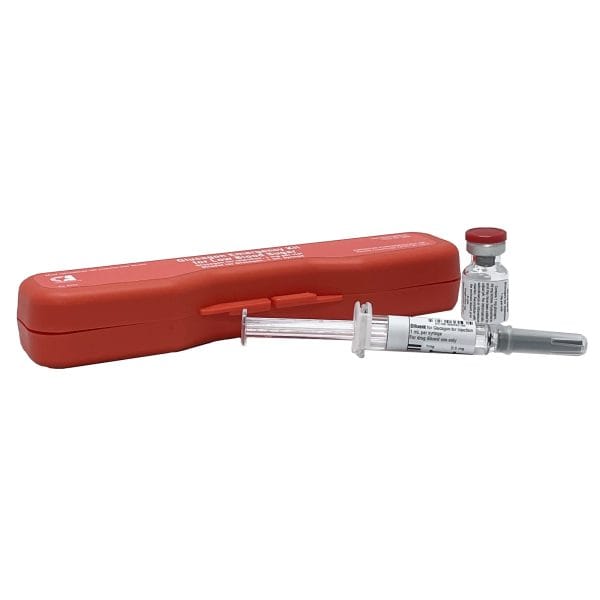
| Glucagon Injection Kit with Diluent | Glucagon | CA |
From $314.99 You save |
Comparison prices as shown on each product page.
We stand behind our prices
We work hard to offer the very best available price. If you find a lower price on the same product, we will match it.
Learn how →Tiered pricingNew tiered pricing is here
Buy more and save more on the medications you trust: save 7% per pack when you buy 2, and 14% per pack when you buy 3 or more.
See tiered pricing →Read the full Hypoglycemia Aids guide
Hypoglycemia Aids brings together products and related diabetes supplies used to prepare for low blood sugar episodes. It is built for patients, caregivers, and shoppers who need a clear way to compare rescue options, monitoring tools, and nearby diabetes product groups. Use the listings to check form, product type, prescription status, storage notes, and any instructions already given by a clinician.
What Hypoglycemia Aids Products Include
This product collection is centered on support for hypoglycemia (low blood glucose), especially products that may be kept at home, work, school, or with a caregiver. The items may include fast acting glucose products, prescribed rescue medicines, and supplies that help confirm a low reading. Some shoppers arrive with a specific product name. Others start with a care-plan instruction, such as keeping a blood sugar emergency kit available.
Use the product list to separate oral carbohydrate options, glucagon products, and monitoring supplies. Glucose tablets and glucose gels are common low blood sugar supplies because they are portable and labeled for quick carbohydrate intake. A glucagon emergency kit or nasal glucagon product is different; glucagon (a hormone that raises blood glucose) is usually reserved for situations described in a clinician-provided emergency plan.
Compare Rescue Formats and Monitoring Support
Low blood sugar treatment aids can look similar online, but they serve different roles. Compare the form first, then review how the product fits the person who may need it. A caregiver may care more about training steps and label clarity. A patient who carries supplies every day may focus on portability, expiration dates, and how easily the item fits in a pocket or case.
| Item type | What to compare | Useful starting point |
|---|---|---|
| Oral glucose products | Format, label directions, package size, and ease of carrying | Review current product listings when available |
| Rescue glucagon | Nasal powder, injection kit, training needs, and prescription status | Glucagon Injection Kit and Baqsimi Nasal Powder |
| Monitoring supplies | Meter or sensor compatibility, testing method, and replacement needs | Test Strips and selected device components |
| Related diabetes products | Medication class, form, and whether it belongs in daily care | Insulin Medications |
Safety, Prescription, and Care-Plan Checks
The Hypoglycemia Aids collection is not a substitute for an emergency plan. Ask a licensed clinician which low blood glucose aids belong in your plan, when to use them, and who should be trained. Product labels, expiration dates, storage conditions, and device steps can differ by brand and format.
Some hypoglycemia rescue products may require prescription details before access can be reviewed. CanadianInsulin.com operates as a prescription referral platform, and dispensing is handled by licensed third-party pharmacies where permitted. That process does not replace medical judgment, especially if symptoms are severe, repeated, or hard to explain.
Why it matters: A rescue product is only useful if the right people know where it is and how to read its label.
Seek urgent help according to your care plan if the person is confused, unconscious, having a seizure, or unable to swallow safely. Do not use product browsing to diagnose the cause of low readings, including lows that happen without diabetes. Medication changes, missed meals, alcohol use, activity, and other health issues can affect glucose levels, so patterns should be reviewed with a professional.
Related Diabetes Supplies and Product Areas
Many shoppers compare rescue supplies alongside products that track or affect blood glucose. The broader Diabetes Supplies collection can help you move from rescue items to meters, sensors, and testing tools. If you are checking fingerstick supplies, Test Strips keeps compatible strip options in one browseable list.
Continuous glucose monitoring tools can also be part of a broader diabetes safety routine. Product pages such as Dexcom G7 Receiver and Dexcom G6 Sensor are useful when you need to check device components rather than rescue products. If your low blood sugar risk is linked to an insulin plan, browse Insulin Medications separately so rescue supplies and daily medications do not get mixed together.
Condition Pages and Reading Paths
Condition and article pages can help you prepare better questions before comparing products. The Hypoglycemia Condition Resources page keeps condition-aligned product browsing separate from this product list. The Diabetes Articles archive is better for educational reading about blood sugar management, medication classes, and practical safety topics.
These resources should not be used to self-treat or change therapy. They can help you understand terms used in labels and product pages, such as severe hypoglycemia, rescue medicine, sensor, meter, or prescribed glucagon. If a topic raises a concern, bring the question to the clinician who knows the care plan.
Use the Collection With a Simple Checklist
Before opening individual product pages, write down the product type you need and who will use it. That prevents mixing up daily diabetes medications with diabetes emergency supplies. It also helps caregivers compare items using the same criteria instead of relying on product names alone.
- Match the product type to the written care plan or prescriber instructions.
- Check whether the item is oral glucose, nasal glucagon, injectable glucagon, monitoring equipment, or a related supply.
- Review storage, expiration, device compatibility, and label instructions on each product page.
- Confirm whether a caregiver, school, workplace, or travel bag needs a separate kit.
- Ask a clinician or pharmacist if the person has repeated lows or unclear symptoms.
Quick tip: Keep rescue items and routine medications in clearly labeled places.
Browse Low Blood Sugar Supplies With Clear Next Steps
Use Hypoglycemia Aids as a focused product collection for low blood sugar rescue supplies, monitoring support, and related diabetes product areas. Start with the type of aid named in your care plan, then compare format, compatibility, prescription status, and label details. If a product page does not match what your clinician described, pause and confirm before relying on it.
This content is for informational purposes only and is not a substitute for professional medical advice.
This content is for informational purposes only and is not a substitute for professional medical advice.
What customers say once the box arrives
- Verified buyers only
- Collected independently by Stamped
- Every review stays visible
Reviews from verified buyers, collected by Stamped; spelling corrected only. Each describes one customer's own experience and is not medical advice. Individual results vary.
 Model
4.8/5 from 2K+ verified reviews
I choose to fill my prescription through Canadian Insulin because of the tremendous savings. The customer service at Canadian Insulin is the best!…Read the full review
 Model
4.8/5 from 2K+ verified reviews
An online order that felt personalized because of its consistent and efficient communication.Read the full review
 Model
4.8/5 from 2K+ verified reviews
Received quick and sincere responses. Life happens but people who care let you know they are working for you. Sincere Thank youRead the full review
 Model
4.8/5 from 2K+ verified reviews
Never a glitch after placing many orders. Thanks everyone for being so responsive!Read the full review
 Model
4.8/5 from 2K+ verified reviews
Ozempic has been a life saver for me. Although I slowed down on losing quickly, I am still maintaining and losing around 5 lbs a month which works for me. Canadian Insulin is the perfect company to deal with: very honest and friendly.Read the full review
Browse more categories




Related articles
View all articles →
Humulin N Dosage Chart: Safe Use and Adjustment Factors
A Humulin N dosage chart can help you organize a prescribed insulin plan, but it should not decide your dose. Humulin N…
Read more →
Insulin Syringe Sizes: Barrel, Needle, and Safety Basics
Insulin syringe sizes describe three things: how much the barrel holds, how long the needle is, and how thin the needle is.…
Read more →
Fiasp Cartridge Safety, Compatibility, and Mealtime Use
A Fiasp cartridge is a replaceable cartridge form of Fiasp, a faster-acting insulin aspart used around meals when prescribed for diabetes. It…
Read more →
Fiasp Alternative Options for Mealtime Insulin Decisions
A Fiasp alternative is usually another mealtime insulin that acts quickly around food, not a simple over-the-counter substitute. Options may include other…
Read more →Speak to us
Our customer service team are highly experienced and friendly. Get in touch today.
How should I compare hypoglycemia aids in this category?
Start by separating product roles. Oral glucose products, glucagon rescue medicines, meters, sensors, and test strips are not interchangeable. Compare form, label instructions, storage notes, expiration dates, prescription status, and who may need to use the item. If a care plan names a specific product type, use that detail before comparing brands or device components.
Are glucagon products the same as glucose tablets or gels?
No. Glucose tablets and glucose gels are oral carbohydrate products often used for low blood sugar when a person can safely swallow and follow their plan. Glucagon products are rescue medicines that work differently and may be prescribed for more serious episodes. A clinician should explain when each option belongs in a personal diabetes emergency plan.
Do hypoglycemia aids require a prescription?
Prescription needs vary by product type. Some fast acting glucose products may be non-prescription supplies, while certain glucagon rescue products may require valid prescription details. Product pages and labels should be reviewed carefully. A pharmacist or prescriber can clarify whether a specific item is appropriate and whether documentation is needed.
What should caregivers check before relying on a low blood sugar product?
Caregivers should know where the product is stored, how to identify it, and how to read its label. They should also check expiration dates, storage requirements, and whether the product requires training. If a person has severe or repeated low blood sugar episodes, the caregiver should follow the written care plan and seek professional guidance.

Speak to our team
 Call toll free1-844-560-7790
 Emailservice@canadianinsulin.com
Monday to Friday 7am – 11pm EST
Saturday 7am to 7pm EST
Sunday 8am – 5pm EST