

Coronary Artery Disease Medications and Resources
Browse Coronary Artery Disease medication options, related condition pages, and education on antiplatelets, statins, angina, and heart risk factors.
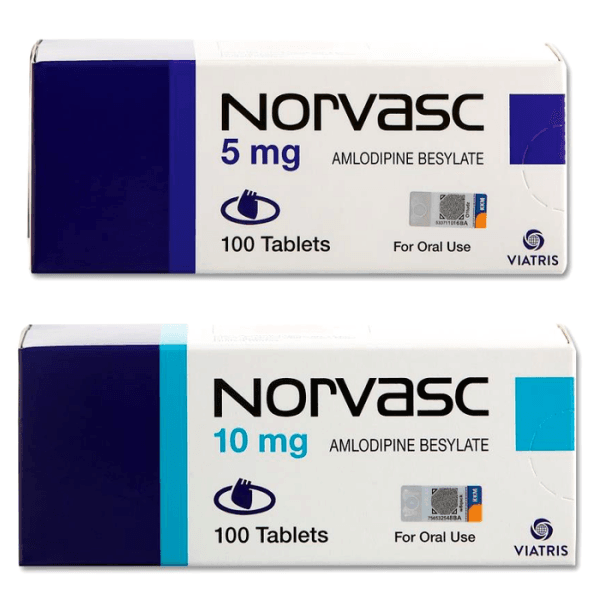
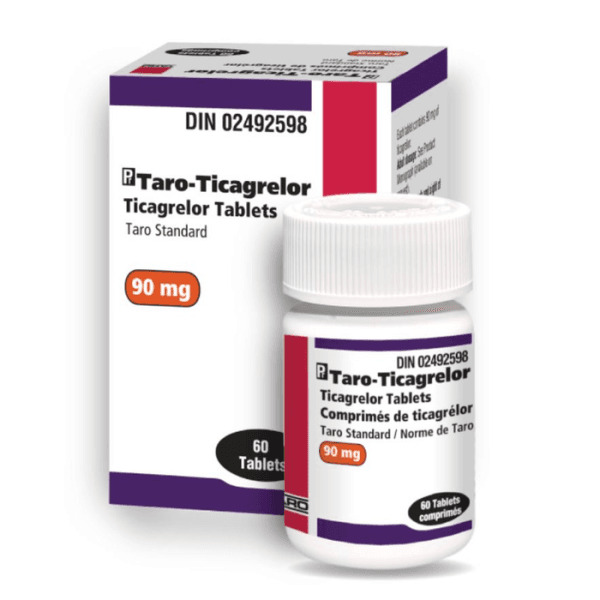
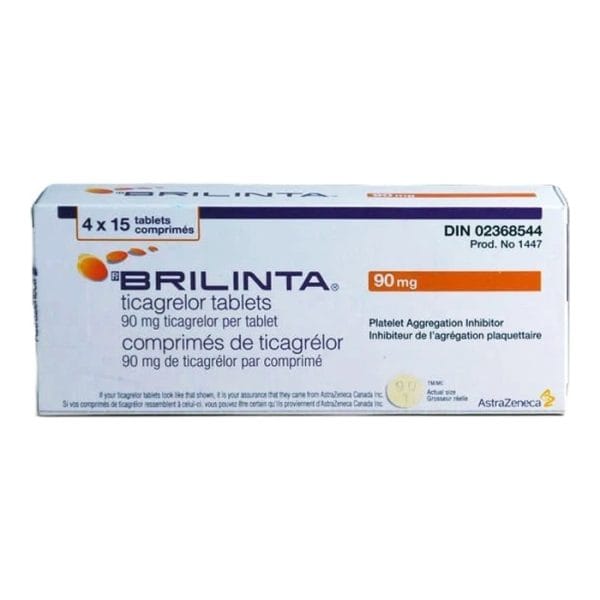
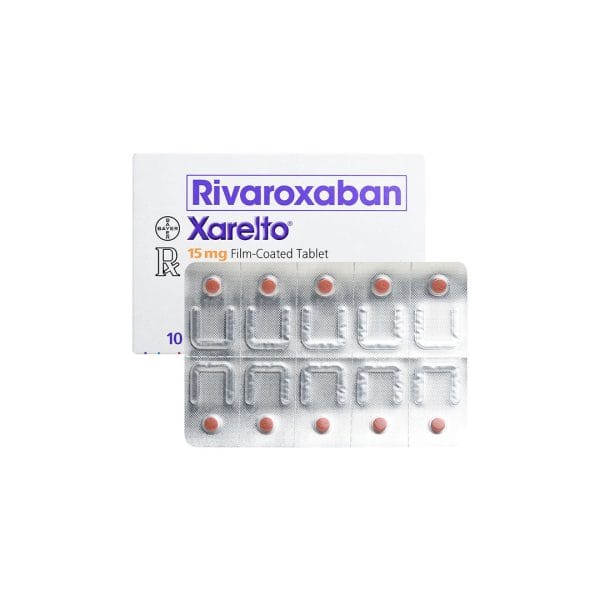
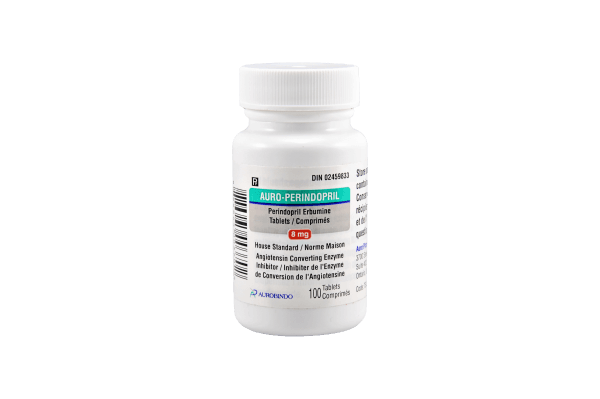
Prices in USD, the lowest price for each product; your dose and quantity set the final price. Struck prices are the US and Canadian comparison prices shown on each product page.
Coronary Artery Disease: products, conditions and resources
Coronary Artery Disease can involve long-term medication use, symptom tracking, and risk-factor management. This condition collection helps patients and caregivers browse related product pages, compare medication classes, and open practical education before speaking with a clinician. Use it to move between antiplatelet options, cholesterol therapy, angina-related pages, and heart-health articles without treating this page as personal medical advice.
CAD develops when the coronary arteries, which supply oxygen-rich blood to the heart muscle, become narrowed or blocked. Many cases involve atherosclerosis, meaning fatty plaque buildup inside artery walls. A clinician may use symptoms, risk factors, exams, blood tests, ECG findings, stress testing, or imaging when evaluating coronary artery disease diagnosis.
What This Coronary Artery Disease Collection Includes
This page brings together condition-aligned medications and resources that often appear in long-term cardiac care. Product pages may include antiplatelet medicines, which help reduce platelet clumping, and lipid-lowering therapy used to manage cholesterol as part of risk reduction. Related condition pages cover angina, heart attack, and wider cardiovascular disease topics.
Product examples in this collection include Brilinta, Ticagrelor, Clopidogrel, Plavix, and Rosuvastatin. Each product page can help you check available forms, strengths, ingredient names, and prescription-related details. Availability and suitability can vary, so use these pages for browsing and preparation, not self-selection.
CanadianInsulin.com operates as a prescription referral platform. Where required, prescription details may be confirmed with the prescriber before a pharmacy dispenses a medication.
How to Compare Coronary Artery Disease Medication Pages
Coronary artery disease medication choices depend on the treatment plan, recent cardiac history, other conditions, and tolerance. When you compare product pages, start with the medication class and active ingredient. Then review dosage form, strength, directions shown on the product page, storage notes, and any prescription requirements.
Antiplatelet product pages are often relevant after certain cardiac events or procedures, but the right choice depends on clinical details. For example, ticagrelor, clopidogrel, and branded options such as Brilinta or Plavix are not interchangeable without prescriber guidance. A statin page, such as rosuvastatin, supports a different browsing need because cholesterol management targets long-term plaque and vascular risk.
Quick tip: Write down the active ingredient and brand name before comparing similar pages.
| Browsing factor | Why it helps |
|---|---|
| Medication class | Shows whether the page is about platelet activity, cholesterol, or another pathway. |
| Active ingredient | Helps compare brand and generic pages without relying only on product names. |
| Form and strength | Supports accurate discussion with a prescriber or pharmacist. |
| Related condition | Connects the product to angina, heart attack, or broader cardiovascular care. |
Symptoms, Risk Factors, and When Resources Fit
Coronary artery disease symptoms can include chest pressure, shortness of breath, fatigue, pain spreading to the arm or jaw, or symptoms that appear during exertion. Some people have few symptoms until a serious event occurs. Symptoms of coronary artery disease can also look different across individuals, including women, men, older adults, and younger adults with risk factors.
Common coronary artery disease causes and risk factors include high LDL cholesterol, high blood pressure, smoking, diabetes, family history, kidney disease, physical inactivity, and excess body weight. The Diabetes and Cardiovascular Disease article is a useful next stop when blood sugar and heart risk overlap. The Diabetes Heart Connection article also explains why coordinated metabolic and cardiac care matters.
Coronary artery disease complications can include unstable angina, heart attack, rhythm problems, and heart failure. Seek urgent care for new, severe, or changing chest pain, fainting, severe shortness of breath, or symptoms that suggest a heart attack. For condition-level browsing, open Angina, Unstable Angina, or Heart Attack when those terms appear in your records or discharge papers.
Treatment Themes to Discuss With a Clinician
Coronary artery disease treatment usually combines lifestyle changes, risk-factor control, and medicines chosen for the person’s history. Treatment may address platelet activity, cholesterol, blood pressure, heart workload, or angina symptoms. Some people also need procedures, cardiac rehabilitation, or closer follow-up after a heart attack or stent placement.
Guideline-based care often focuses on coronary artery disease prevention and secondary prevention, which means reducing the chance of future events after disease is known. Do not start, stop, or switch antiplatelet therapy without medical guidance, especially after a stent or recent acute coronary syndrome. Articles such as Ticagrelor 90 mg, Clopidogrel 75 mg, and Prasugrel 10 mg can help you prepare clearer questions about antiplatelet therapy.
Why it matters: Similar-looking heart medicines can serve very different purposes.
Related Heart and Vascular Pages
CAD sits within a broader group of heart and blood vessel conditions. The Cardiovascular Disease page can help you browse wider vascular topics. The Heart Disease page is useful when a diagnosis label is broad or when records use more general wording.
Medical records may also contain terms such as obstructive coronary artery disease, coronary atherosclerosis, or atherosclerotic heart disease of native coronary artery without angina pectoris. Billing terms, including coronary artery disease ICD-10 or CAD with angina ICD-10, should be interpreted by qualified medical or administrative staff. This collection focuses on browsing medications and education, not coding or diagnosis.
For external medical background, the CDC explains coronary artery disease in plain language. The NHLBI coronary heart disease page describes causes, testing, and treatment concepts. Professional recommendations are summarized in the 2023 chronic coronary disease guideline.
Using This Page as a Starting Point
Use this browse page to gather product names, compare medication classes, and find related education before a clinical visit or pharmacy discussion. It works best when paired with your medication list, diagnosis notes, allergy history, and recent cardiac records. If your symptoms have changed, prioritize medical evaluation instead of browsing.
Coronary Artery Disease care can involve several linked decisions, from symptom control to prevention of future events. Start with the product or condition page that matches your current question, then confirm the next step with a qualified professional.
This content is for informational purposes only and is not a substitute for professional medical advice.
Related conditions
All medical conditions →Frequently asked questions
About browsing Coronary Artery Disease resources on this page.
How should I compare medications in this collection?
Start by separating medication class from product name. Antiplatelet medicines, cholesterol-lowering medicines, and angina-related therapies serve different roles in cardiac care. Check the active ingredient, form, strength, and prescription details on each product page. Then use that information to prepare questions for your prescriber or pharmacist. Do not treat similar brand and generic pages as automatically interchangeable without professional guidance.
Does this page explain how coronary artery disease is diagnosed?
This page gives only category-level context. Coronary artery disease diagnosis may involve symptoms, risk factors, physical examination, ECG testing, blood work, stress testing, or imaging. The exact workup depends on the person and the urgency of symptoms. Use the linked condition and education pages to understand terms, but rely on a qualified clinician for diagnosis and interpretation of test results.
Which symptoms should prompt urgent medical care?
Seek urgent care for new or severe chest pain, chest pressure that does not improve, shortness of breath, fainting, sudden sweating, or pain spreading to the arm, back, neck, or jaw. Symptoms can vary between people, and some cardiac events do not feel like classic chest pain. Browsing this category should never delay emergency evaluation when symptoms are concerning.
Why are antiplatelet articles included with this condition page?
Antiplatelet medicines are commonly discussed in coronary artery disease care, especially after certain acute events or stent procedures. The linked articles explain medication concepts, risks, and common discussion points in plain language. They do not replace individualized instructions. If you take an antiplatelet medicine, confirm duration, missed-dose instructions, bleeding precautions, and procedure planning with your healthcare team.
Related articles
View all articles →
Acebutolol Uses: Safety, Dosing, and Monitoring Basics
Acebutolol uses include treating high blood pressure and certain abnormal heart rhythms, especially ventricular arrhythmias. It is a cardioselective beta-blocker, meaning it…
Read more →
Atenolol: Safe Use, Side Effects, and Monitoring
Atenolol is a beta blocker used to lower high blood pressure, reduce angina symptoms, and slow the heart rate in selected rhythm…
Read more →
Persantine: Safety, Uses, and Monitoring Basics
Persantine is the brand name for dipyridamole, a medication that helps reduce platelet clumping and widens certain blood vessels. It is used…
Read more →
Clopidogrel 75 mg: Safety, Uses, and Stroke Risk
Clopidogrel 75 mg is a common daily maintenance dose of an antiplatelet medicine used to lower the chance of certain blood-clot events,…
Read more →The contents of CanadianInsulin.com are for informational purposes only and should not be considered medical advice. We do not guarantee the accuracy of the content on CanadianInsulin.com, nor do we assume any responsibility for any actions taken using the information found on our website. Always consult with your family physician or a qualified health care provider about any health or medical concerns.