

Blood Clot (DVT/PE) Medications and Resources
Browse Blood Clot (DVT/PE) medication pages, anticoagulant options, and related condition resources for DVT and pulmonary embolism discussions.
Prices in USD, the lowest price for each product; your dose and quantity set the final price. Struck prices are the US and Canadian comparison prices shown on each product page.
Blood Clot (DVT/PE): products, conditions and resources
Blood Clot (DVT/PE) brings together anticoagulant medication pages and related cardiovascular condition resources. It helps patients and caregivers compare product classes, dosage forms, and nearby topics before speaking with a clinician. Use this collection to understand where each product page fits, not to change a treatment plan on your own.
Deep vein thrombosis, or DVT, means a clot forms in a deep vein, often in the leg. Pulmonary embolism, or PE, means a clot blocks blood flow in the lungs. Together, deep vein thrombosis and pulmonary embolism are part of venous thromboembolism, often shortened to VTE.
What This Blood Clot (DVT/PE) Collection Includes
This condition collection focuses on blood clot medications, especially anticoagulant medications. These medicines are often called blood thinners for clots. They do not make blood thinner in the everyday sense. Instead, they affect the clotting process and may help reduce clot growth or lower the chance of new clots when used as prescribed.
The product list includes oral and injectable anticoagulants. Oral options include direct oral anticoagulants, often called DOACs, and warfarin, a vitamin K antagonist. Injectable options include low molecular weight heparin products used in selected clinical situations.
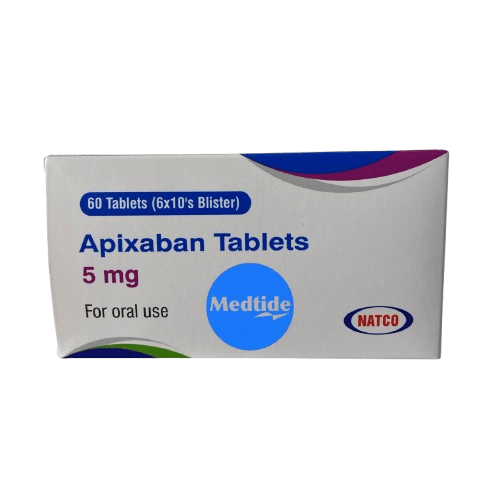
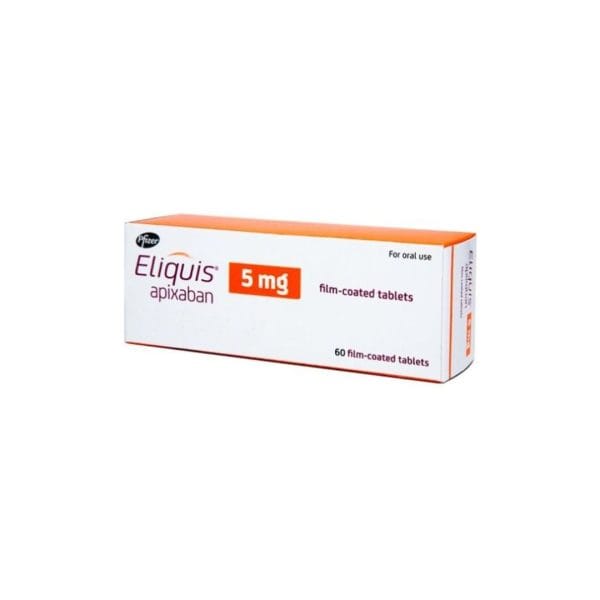
- Eliquis is an apixaban product page for a factor Xa inhibitor option.
- Xarelto is a rivaroxaban product page for another factor Xa inhibitor.
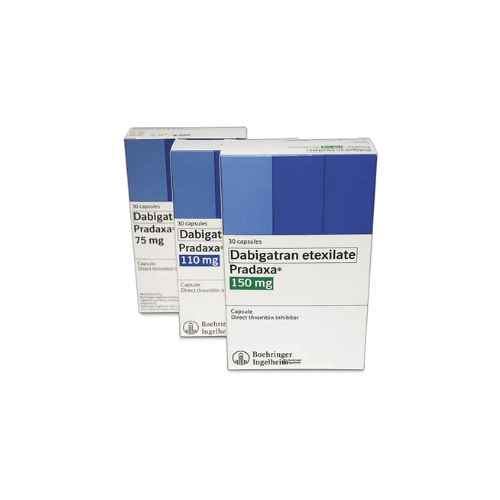
- Pradaxa covers dabigatran, a direct thrombin inhibitor capsule.
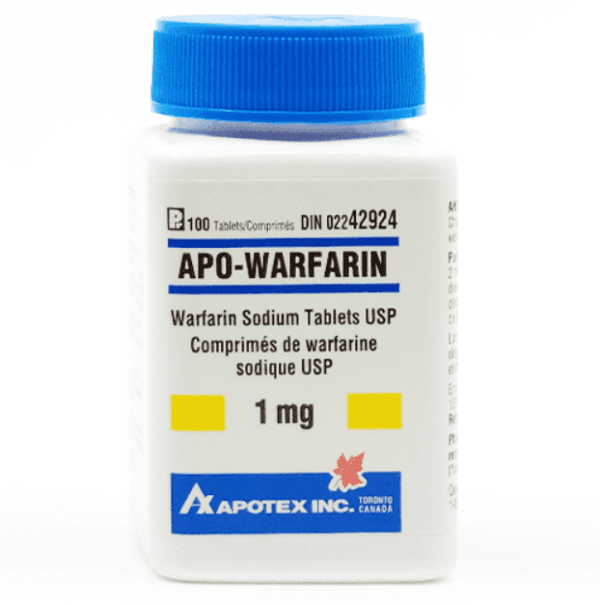
- Warfarin covers a monitored anticoagulant used in many long-term plans.
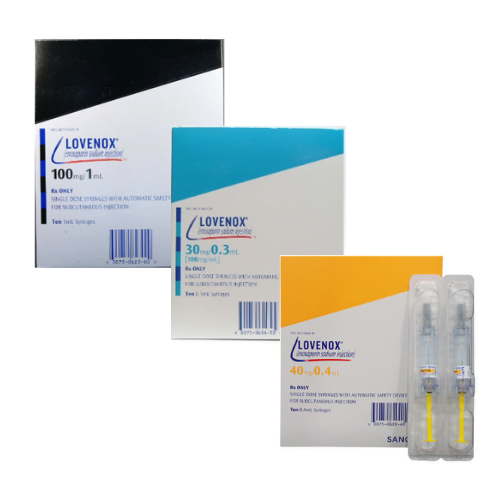
- Lovenox Injections covers an injectable anticoagulant format.
CanadianInsulin.com is a prescription referral platform. When required, prescription details may be confirmed with the prescriber before pharmacy handling occurs.
How to Compare DVT and PE Blood Clot Treatment Options
DVT and PE blood clots can involve different treatment phases. Some people are reviewing an initial plan after diagnosis. Others are comparing extended prevention, post-procedure use, or a transition between products. Your prescriber decides the medicine, dose, timing, and duration based on clinical factors.
For browsing, compare each product page by drug class, format, monitoring needs, and interaction profile. Some medicines come as tablets or capsules. Others come as prefilled syringes. Some plans require routine INR testing, while many DOAC plans do not use routine anticoagulation lab checks.
| Browse factor | Why it matters |
|---|---|
| Drug class | DOACs, warfarin, and injectable anticoagulants have different monitoring and interaction patterns. |
| Form | Tablets, capsules, and injections fit different routines and support needs. |
| Monitoring | Warfarin usually requires INR testing within a clinician-set target range. |
| Interactions | Some antibiotics, antifungals, seizure medicines, and supplements may affect therapy. |
| Clinical context | Recent surgery, pregnancy, cancer, kidney disease, or valve type may change the plan. |
Quick tip: Keep your current medication and supplement list nearby when reviewing product pages.
DVT, PE, and Urgent Safety Boundaries
A DVT clot and a PE clot are connected, but they are not the same event. DVT usually means a clot in a deep vein. PE means a clot has reached the lungs and blocked a pulmonary artery. A blood clot in lung circulation can be serious and may need emergency care.
This page does not diagnose symptoms. It organizes DVT and pulmonary embolism resources alongside medication pages. Seek urgent medical help for symptoms such as chest pain, sudden shortness of breath, fainting, coughing blood, or signs of serious bleeding. For travel-related prevention concepts, the CDC Yellow Book DVT and PE page explains risk factors and basic prevention measures.
Why it matters: Missed, extra, or restarted anticoagulant doses can increase clotting or bleeding risk.
Related Cardiovascular Condition Pages
Blood clot treatment options often overlap with other cardiovascular topics. Some pages focus on rhythm-related stroke prevention. Others relate to valve type or broader vascular disease. These condition pages can help you understand why similar medicines may appear in different care plans.
- Atrial Fibrillation groups resources for an irregular heart rhythm linked with stroke prevention.
- Stroke provides a broader condition page for cerebrovascular risk topics.
- Ischemic Stroke focuses on stroke caused by blocked blood flow.
- Mechanical Heart Valve is relevant when valve type affects anticoagulant choice.
- Cardiovascular Disease connects this topic with wider heart and vascular resources.
If you want to browse by therapy area instead of diagnosis, the Cardiovascular product category groups related medication pages. The Cardiovascular Articles archive collects educational reading on heart and vascular topics.
Questions to Confirm Before Choosing a Product Page
Blood Clot (DVT/PE) medication browsing works best when you know the purpose of the prescription. Treatment for blood clot in leg symptoms may not match prevention after surgery. Pulmonary embolism treatment options may also differ from long-term prevention for another condition.
Before comparing anticoagulant medications, confirm which details your care team wants you to follow. These questions can help you choose the most relevant page and prepare for a safer discussion.
- Is the plan for initial treatment, extended prevention, or perioperative use?
- Are kidney and liver function results current enough for medication review?
- Does the plan involve pregnancy, postpartum care, cancer, or recent surgery?
- Are there current prescriptions, over-the-counter medicines, or supplements to review?
- Is injection technique, storage, or sharps disposal part of the plan?
- Will INR testing or another monitoring schedule be needed?
Where permitted, dispensing and related pharmacy services are handled by licensed third-party pharmacies. Some patients also explore cash-pay options depending on eligibility and jurisdiction.
Using This Collection as a Next Step
Use this Blood Clot (DVT/PE) collection as an organized starting point. Compare product classes, check related cardiovascular condition pages, and note questions for your prescriber or pharmacist. The most useful next page is usually the one that matches the medicine name, format, or condition your clinician has already discussed.
For urgent symptoms that may suggest PE, DVT complications, or serious bleeding, seek emergency medical care. For non-urgent browsing, keep the focus on product class, monitoring needs, interactions, and the exact prescription label.
This content is for informational purposes only and is not a substitute for professional medical advice.
Related conditions
All medical conditions →Frequently asked questions
About browsing Blood Clot (DVT/PE) resources on this page.
What is the difference between DVT and PE?
Deep vein thrombosis, or DVT, usually means a clot has formed in a deep vein, often in the leg. Pulmonary embolism, or PE, means a clot blocks blood flow in the lungs. A PE may occur when part of a clot travels from another area. This page helps organize medication and condition resources, but symptoms require clinical assessment.
How should I compare anticoagulant medication pages?
Start with the medicine name on the prescription label. Then compare the product class, dosage form, monitoring needs, and handling details. Warfarin commonly involves INR testing, while many direct oral anticoagulants do not require routine anticoagulation labs. Injectable products may involve technique and sharps disposal questions. Your prescriber decides which option fits your diagnosis and risk factors.
Can I switch between blood clot medications on my own?
No. Anticoagulant changes can affect clotting and bleeding risk. Do not stop, restart, skip, split, or substitute blood clot medications unless your prescriber gives clear instructions. If a product page raises questions about form, monitoring, or interactions, write them down and review them with your clinician or pharmacist before making any change.
When are DVT or PE symptoms urgent?
Seek emergency care for sudden shortness of breath, chest pain, fainting, coughing blood, or symptoms of serious bleeding. A painful, swollen, warm, or red leg also needs prompt medical guidance. This category can help with browsing medication pages and related condition resources, but it cannot diagnose symptoms or judge the severity of a clot.
Related articles
View all articles →
Clots and Period: When Menstrual Blood Clots Need Attention
The phrase clots and period usually refers to blood clots that pass during menstruation. In many cases, small clots on the heaviest…
Read more →
DPP-4 Inhibitors Weight Loss: Expectations and Evidence
DPP-4 inhibitors weight loss is usually limited. Most clinical use describes this medication class as weight neutral, meaning average weight change is…
Read more →
Sibutramine FDA Ban Explained: Risks, Timeline, Context
Key Takeaways Withdrawal was risk-driven based on higher rates of serious events. Heart and stroke concerns shaped the final regulatory decisions. Not…
Read more →
Onsior Cat Medicine: Safety, Uses, and Dosing Questions
Onsior cat medicine is a prescription pain and inflammation medicine for cats. It contains robenacoxib, a nonsteroidal anti-inflammatory drug (NSAID), and veterinarians…
Read more →The contents of CanadianInsulin.com are for informational purposes only and should not be considered medical advice. We do not guarantee the accuracy of the content on CanadianInsulin.com, nor do we assume any responsibility for any actions taken using the information found on our website. Always consult with your family physician or a qualified health care provider about any health or medical concerns.