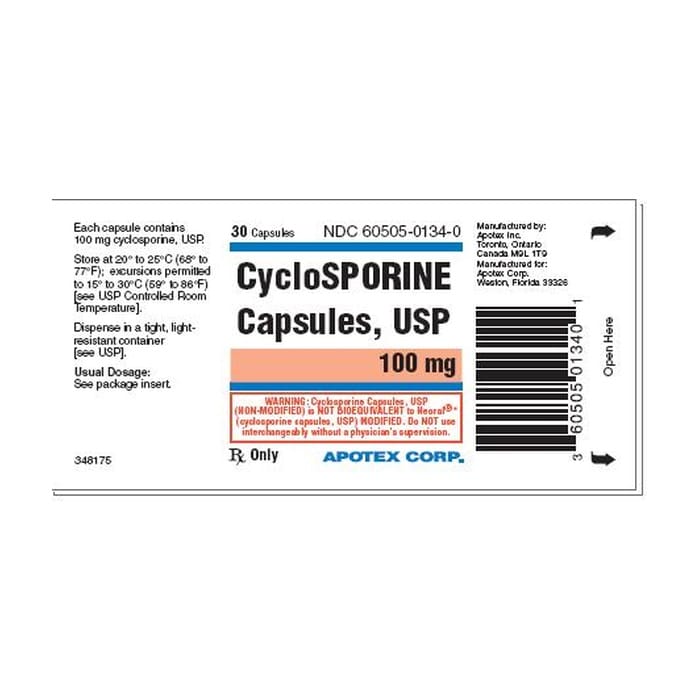
Cyclosporine is an immunosuppressant medicine used when immune activity needs to be reduced for transplant care, certain inflammatory diseases, or some veterinary skin conditions. Customers can buy Cyclosporine online, view current pricing, and choose the dose or strength shown during ordering that matches clinician directions. Formulation matters with this medicine, so the route, strength, quantity, and modified or non-modified wording should be matched carefully.
Cyclosporine belongs to a drug class called calcineurin inhibitors. These medicines reduce immune-cell signaling, which can help protect a transplanted organ or calm selected immune-driven conditions. Because the same active ingredient can appear in oral, ophthalmic, modified, non-modified, human, and veterinary products, the exact product wording is part of the treatment decision.
Cyclosporine Price, Strength, and Form Selection
Cyclosporine price is best assessed by matching the exact form, strength, quantity, and formulation needed for treatment. Capsules, oral solution, modified products, non-modified products, and eye preparations may be priced differently because they are used and absorbed differently. A Cyclosporine price from Canada may also reflect package size, manufacturer, and whether the item is generic or brand-specific.
Choose the dose or strength available during ordering only after matching it to the written directions from the treating clinician or veterinarian. A total milligram amount is not the only detail that matters. A bottle of oral solution, a capsule count, and an ophthalmic preparation cannot be compared as if they were the same product.
| Ordering detail | Why it matters |
|---|---|
| Form | Capsule, oral solution, modified oral product, non-modified oral product, or eye preparation can represent different use cases. |
| Strength or concentration | The mg strength or liquid concentration should match the written directions exactly. |
| Quantity | The supplied amount may refer to capsules, bottle volume, pack count, or another unit measure. |
| Formulation wording | Modified, microemulsion, generic, or brand-specific wording can affect whether the product is appropriate. |
Quick tip: Match the active ingredient, form, strength, and formulation wording before comparing cost.
How to Order Cyclosporine Online
To order Cyclosporine online, choose the form and strength that correspond to the treatment instructions, then complete the required order information. Keep patient and clinician contact details available because order details may need review before the medicine can proceed. If the medicine is for an animal, the species, weight, diagnosis, and veterinary directions should guide the product choice.
Cyclosporine US delivery from Canada may be available for supported orders, depending on the medicine and handling requirements. Use any handling notes shown during checkout for the form being ordered, especially if the product has temperature, packaging, or documentation requirements. The supplied service context should not be used as a reason to change the prescribed formulation.
Some customers compare Cyclosporine cash pay choices when coverage is limited or when paying without insurance. Cyclosporine cost without insurance depends heavily on the form, strength, quantity, and whether the product is a modified or non-modified formulation. Current displayed pricing is more useful than old receipts or search snippets because product availability and package sizes can change.
What Cyclosporine Is Used For
The main use of Cyclosporine is immune suppression. In transplant care, it may be used with other medicines to help prevent the body from rejecting a transplanted organ. In selected inflammatory conditions, it may be used when immune activity contributes to disease symptoms and a clinician decides that the benefits outweigh the risks.
Cyclosporine may be used in severe psoriasis and rheumatoid arthritis in certain patients. It is not a general first-choice medicine for every inflammatory skin or joint condition because it requires monitoring and has important kidney, blood pressure, infection, and interaction risks. People exploring condition-specific treatment categories can review related areas for organ transplant rejection, psoriasis, and rheumatoid arthritis.
Cyclosporine also appears in ophthalmic products for certain eye conditions, where it helps reduce inflammation on the eye surface and may improve tear production in appropriate patients. Eye preparations are different from oral immune-suppressing therapy and should not be substituted for capsules or solution. Related eye-condition browsing is available under dry eye and uveitis when those categories fit the diagnosis.
Modified, Generic, Capsule, Solution, and Eye Products
Cyclosporine modified is not the same as every non-modified cyclosporine product. Modified products are designed with different absorption characteristics, and switching between modified and non-modified formulations can change drug exposure. Brand names and generic names may also vary by market, so the formulation wording should be treated as a meaningful part of the order.
Cyclosporine capsules are commonly written by strength, and searches often include Cyclosporine 25 mg or Cyclosporine 100 mg. Those strengths should be used only when they match the instructions for the intended patient. Cyclosporine oral solution requires attention to concentration, bottle volume, and measuring accuracy rather than capsule count.
Some people refer to Cyclosporine tablets, but many cyclosporine products are capsules, oral solution, or eye preparations rather than tablets. Use the form named in the treatment instructions and the form shown during ordering. Cyclosporine generic products may be appropriate in some circumstances, but generic substitution still needs to match the same formulation type and route.
For kidney-related treatment contexts, product choice may be managed alongside laboratory follow-up and other medicines. The nephrotic syndrome category and broader nephrology category can help with condition-based browsing, but individual treatment decisions should remain with the clinician managing the condition.
How Cyclosporine Works
Cyclosporine is a calcineurin inhibitor. Calcineurin is involved in activating certain T cells, which are immune cells that can drive rejection and inflammation. By reducing those signals, cyclosporine lowers parts of the immune response rather than treating pain, infection, or allergy directly.
This mechanism explains both its usefulness and its risks. Lower immune activity may help protect a transplanted organ or reduce inflammatory disease activity, but it can also make infections more concerning. The same mechanism is one reason monitoring is common during oral cyclosporine therapy.
Ophthalmic cyclosporine works locally on the eye surface and is used differently from oral cyclosporine. Veterinary cyclosporine is also managed differently because species, weight, and formulation influence product selection. Do not share cyclosporine between people and pets unless the treating professional specifically directs that approach.
Storage, Handling, and Travel
Storage instructions can vary by manufacturer and form, so follow the package label for the product received. Many oral cyclosporine products are stored at controlled room temperature and protected from excess heat and moisture. Oral solution may have additional instructions after opening, including how to use the measuring device and how long the bottle should be kept.
Keep the medicine in its original labeled container when traveling. Avoid leaving it in a hot car, damp bathroom, or checked luggage exposed to temperature swings. If checkout materials mention prompt, express, cold-chain shipping for a specific item, follow the handling directions provided with that order and the label directions after delivery.
Liquid cyclosporine needs careful measurement. Use the measuring device supplied with the medicine or the device recommended by a pharmacist or clinician. Household spoons are not accurate and can cause underdosing or overdosing, especially when a medicine has a narrow therapeutic range.
Side Effects, Warnings, and Monitoring
Cyclosporine can cause serious side effects, including kidney problems and high blood pressure. It can also increase the risk of infections and certain cancers because it suppresses immune function. These risks are why oral cyclosporine is often managed with blood pressure checks, laboratory monitoring, and regular symptom review.
- Common effects: tremor, headache, nausea, diarrhea, gum overgrowth, increased hair growth, or flushing.
- Kidney concerns: reduced kidney function can occur, especially with higher exposure or interacting medicines.
- Blood pressure: new or worsening hypertension should be reported promptly.
- Infection signs: fever, chills, persistent sore throat, unusual fatigue, or worsening cough need medical attention.
- Urgent allergy signs: swelling, rash, breathing trouble, severe dizziness, or facial swelling require urgent care.
People with significant kidney disease, uncontrolled high blood pressure, active serious infection, or a history of some cancers may need a different treatment plan. For psoriasis, cyclosporine may not be used with certain treatments, including PUVA, UVB, methotrexate, coal tar, radiation therapy, or other immune-suppressing therapies. The safest choice depends on the diagnosis, current medicines, and recent monitoring results.
Do not change the dose, stop therapy, or restart an old supply without professional guidance. Sudden changes can be risky after transplant and may also worsen inflammatory disease control. Before ordering more medicine, make sure follow-up visits and lab schedules are current if monitoring is part of the treatment plan.
Interactions and When to Be Cautious
Many medicines can raise or lower cyclosporine levels. Important examples include certain antibiotics, antifungals, seizure medicines, blood pressure drugs, cholesterol medicines, nonsteroidal anti-inflammatory drugs, and other immune-suppressing therapies. Grapefruit and grapefruit juice can increase cyclosporine exposure and are commonly avoided.
Monitoring may include kidney function tests, liver tests, blood pressure checks, cholesterol levels, electrolytes such as potassium and magnesium, and sometimes cyclosporine blood levels. The exact plan depends on the condition being treated, other medicines, and the formulation used. Keep a current medication list available, including over-the-counter medicines and supplements.
Vaccines need special attention during immune-suppressing therapy. Live vaccines may not be appropriate, and the response to some vaccines can be reduced. Tell the treating clinician or veterinarian about infections, planned surgery, pregnancy, breastfeeding, vaccination plans, or major health changes before continuing therapy.
Veterinary Cyclosporine and Related Categories
Cyclosporine is used in veterinary medicine, especially for allergic skin disease in dogs and cats when selected by a veterinarian. Pet dosing is not interchangeable with human dosing, and animal products may be formulated, flavored, or packaged differently. The pet medications category and atopic dermatitis category can help organize related veterinary choices.
Do not use a pet medicine for a person, or a human medicine for a pet, unless the treating professional wrote the directions that way. Species, weight, other illnesses, and concurrent medicines can change the safety profile. Veterinary follow-up may include symptom tracking, skin checks, and monitoring for stomach upset or infection signs.
Questions to Ask Before Reordering
Cyclosporine requires more attention than many routine medicines because formulation, monitoring, and interactions affect safety. Before reordering, ask whether the same form and formulation should continue, whether recent labs are acceptable, and whether any new medicines could interact. This is especially important after hospitalization, infection, surgery, or a change in blood pressure treatment.
Ask how missed doses should be handled for the specific regimen, since instructions can differ by condition and overall risk. For oral solution, ask whether the measuring device is still suitable and whether the bottle should be replaced after a certain time. For eye products, ask how to space drops from other ophthalmic medicines.
Keep notes about side effects, infections, blood pressure readings, and new supplements. Those details can help the clinician decide whether therapy should continue unchanged. The nephrology articles category may provide additional kidney-health context, but it should not replace individualized monitoring instructions.
Authoritative Sources
Official consumer safety information is available from MedlinePlus cyclosporine drug information.
A clinical pharmacology and monitoring summary is available from NCBI Bookshelf cyclosporine review.
Psoriasis-specific treatment context is available from the National Psoriasis Foundation cyclosporine resource.
This content is for informational purposes only and is not a substitute for professional medical advice.