

Research Articles and Resources
Plain-language guides on medications, conditions and everyday care, to read before you talk with your prescriber or pharmacist.

Environmental Risk Factors for Diabetes and Health Hazards
Environmental risk factors for diabetes are the outside conditions that can shape who develops diabetes, when it appears, and how hard it…
Read more →
Weight Loss Medications in 2024: Options, Risks, and Access
Weight loss medications can support chronic weight management when lifestyle measures alone are not enough, but they differ in how they work,…
Read more →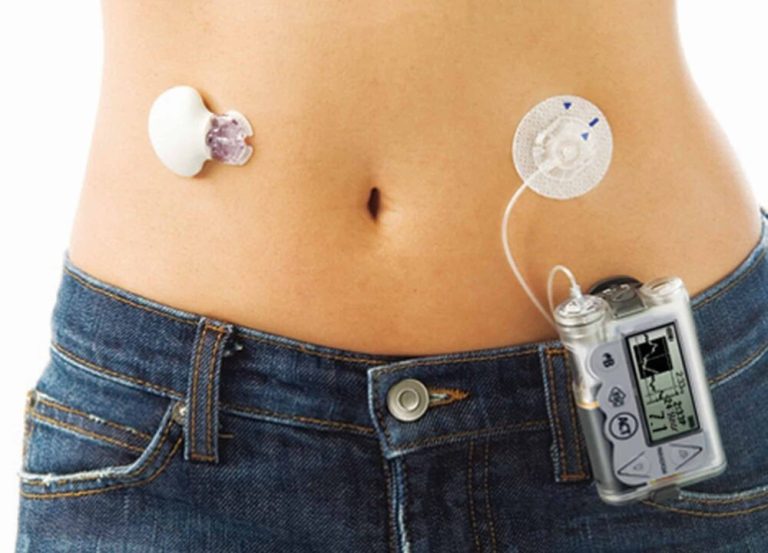
Artificial Pancreas Systems for Diabetes Control and Access
An artificial pancreas is an automated insulin delivery system that links a continuous glucose monitor, an insulin pump, and control software. It…
Read more →
Biosimilars Explained: Safety, Switching, and Access
Biosimilars are biologic medicines made to be highly similar to an already approved biologic, called the reference product. They are not simple…
Read more →
The Queen Elizabeth II: Support for Diabetes Research in Context
The Queen Elizabeth II: Support for Diabetes Research is best understood as public influence rather than scientific authorship. The late Queen's visibility…
Read more →
Insulin Signaling: Transduction Pathways, Steps, and Key Effects
Key TakeawaysSignal overview: hormone, receptor, cellular response.Receptor activation: tyrosine kinase and phosphorylation cascades.Metabolic outcomes: glucose uptake and storage.Pathology: defects contribute to insulin…
Read more →
Insulin Chemical Structure: Chains, Weight, and Production
Insulin is a 51-amino-acid peptide hormone made of two chains joined by disulfide bonds. The insulin chemical structure matters because small changes…
Read more →Research articles in this archive help readers follow evidence-informed topics across diabetes care, oral health, medication classes, devices, and emerging therapies. Use this page to compare article themes, find condition-focused reading, and move from broad questions to specific resources. It suits patients and caregivers who want plain-language context before discussing care decisions with a clinician.
How to use these research articles
In health content, research means structured study used to ask a question, collect information, and interpret results. Medical research can include clinical trials, observational studies, laboratory work, reviews, and real-world evidence. This archive does not replace a clinician. It helps you read claims more carefully, understand common terms, and decide which topic to open next.
Start with the question you have now. Some pieces explain medication classes, while others discuss side effects, technology, nutrition, oral health, or early-stage therapies. Articles that mention trials, reviews, or observational studies are describing different types of research, so compare the purpose before comparing the findings.
Quick tip: Open one broad article first, then use specific articles for follow-up questions.
Browse diabetes and condition reading paths
Most links connected to this category center on diabetes. If you want a broad reading path, the Diabetes Articles archive groups education across medications, nutrition, technology, and related conditions. More focused archives, such as Type 2 Diabetes Articles and Type 1 Diabetes Articles, help separate topics that share language but differ in physiology and care planning.
Condition pages serve a different purpose from editorial archives. The Diabetes Condition Resources page can help you browse condition-aligned product and topic links, while this archive helps you read and compare evidence themes. That distinction matters when you want education, not item-specific product details.
Match common questions with a starting article
Use the table below to match a question with a practical starting point. These links support reading and comparison, not treatment selection without medical guidance.
| Question type | Useful starting point | How it helps |
|---|---|---|
| Medication basics | Common Diabetes Medications | Compares common medication classes and how they are often described. |
| Oral treatment terms | Oral Diabetes Medication | Helps readers sort tablets and non-insulin medicine language. |
| Devices and monitoring | Understanding Diabetes Tech | Explains pens, pumps, and continuous glucose monitoring concepts. |
| Evidence-focused medication topics | DPP-4 Inhibitors and Weight Loss | Shows how one medication class can be reviewed through clinical findings. |
| Emerging therapies | Retatrutide and Diabetes Research | Separates early scientific interest from established care decisions. |
Read evidence with healthy caution
Health research moves in stages. Early signals may lead to larger studies, and larger studies may still have limits if they use a narrow population or short follow-up. A research paper may test safety, compare outcomes, summarize past findings, or describe a small group. Types of research methods include randomized trials, cohort studies, case reports, and systematic reviews. Each research design answers a different kind of question.
When an article discusses a medicine, note whether it refers to approved use, off-label study, early trial results, or laboratory findings. Those categories are not interchangeable. Emerging topics can be useful to follow, but they should not be treated as prescribing instructions. If a topic involves prescription medicines, CanadianInsulin.com may help confirm prescription details with the prescriber when required.
Use article archives and product lists for different tasks
Medication research articles can help you understand terms before you browse product categories. For example, GLP-1 receptor agonist (a medicine class that acts on gut hormone signals), DPP-4 inhibitor (a medicine class that affects gut hormone signals), insulin, and glucose monitoring each describe different areas of diabetes care. Articles explain the language. Product lists organize specific items.
The Diabetes Medications Category is a product-listing page, so it supports medication browsing by category and item page. It should not be read as a recommendation for any person. Use product lists to confirm product names and item-specific details after a clinician has provided direction.
What to check before relying on an article
This archive is strongest when you need context around findings, not a quick medical answer. Health research often changes as better studies appear, so one article may reflect a narrow question. Look for the update date, the condition discussed, the medicine or device named, and the outcome being described.
- Use overview articles when you need definitions or basic comparisons.
- Use medication class articles when you want names, mechanisms, and safety questions.
- Use condition archives when you want a broader reading path by diagnosis or topic.
- Use product categories when you need item-level browsing after clinical direction.
Keep your browsing path practical
Use these research articles to build a short list of questions, not a self-treatment plan. Note the topic, the population studied, and whether the article discusses established care or emerging evidence. If an article raises a safety concern, side effect, pregnancy question, or vision or kidney issue, bring that detail to a licensed healthcare professional.
For continued browsing, start broad, narrow by condition, then choose specific medication, technology, or safety articles. That order keeps the archive useful without turning one topic into a decision on its own.
This content is for informational purposes only and is not a substitute for professional medical advice.
This content is for informational purposes only and is not a substitute for professional medical advice.
Frequently asked questions
About reading the Research archive.
What should I read first in this research category?
Start with a broad diabetes or medication overview if the topic is new to you. Then move to a more specific article about a drug class, device, side effect, or emerging therapy. This approach helps you understand the basic terms before reading detailed findings or comparisons.
Are research articles the same as medical advice?
No. Research articles can explain study findings, clinical terms, and common questions, but they do not replace care from a licensed healthcare professional. Use them to prepare questions, understand vocabulary, and compare article topics. Do not use them to change treatment, dosing, or monitoring plans on your own.
How can I compare different health research topics?
Compare the condition, study type, population, outcome, and medicine or device being discussed. A small early study, a review article, and a randomized trial can answer different questions. Also check whether the article discusses established care, safety concerns, or early-stage evidence that still needs more study.
When should I use product categories instead of articles?
Use articles when you want plain-language context, definitions, or evidence summaries. Use product categories when you need to browse specific medication names, forms, or product pages after clinical direction. The two page types support different tasks and should not be used as substitutes for prescribing advice.
Browse by medical condition
Products and reading lists grouped by condition, from A to Z.
All medical conditions →Looking for a medication?
Prices in USD, shown before you pay. Prescription required.
Shop all medications →The contents of CanadianInsulin.com are for informational purposes only and should not be considered medical advice. We do not guarantee the accuracy of the content on CanadianInsulin.com, nor do we assume any responsibility for any actions taken using the information found on our website. Always consult with your family physician or a qualified health care provider about any health or medical concerns.