
A valid prescription is required for this medication.
Compare prices. See your savings.
 US comparison
Buy Lantus Vial Online
Rx Prescription requiredAlso available for your pet.
 Fast, secure shipping
Health tools
Research and education tools. They do not replace clinical advice, diagnosis, or treatment.
Blood Glucose Unit Converter
Convert glucose readings between mg/dL and mmol/L without changing the clinical value.
These calculations are for education only and do not replace clinical advice, diagnosis, or treatment. Always confirm medical decisions with a qualified healthcare professional.
HbA1c & eAG Calculator
Convert between HbA1c percentage and estimated average glucose using the ADAG relationship.
These calculations are for education only and do not replace clinical advice, diagnosis, or treatment. Always confirm medical decisions with a qualified healthcare professional.
HOMA-IR Calculator
Estimate insulin resistance from fasting glucose and fasting insulin values collected from the same blood draw.
These calculations are for education only and do not replace clinical advice, diagnosis, or treatment. Always confirm medical decisions with a qualified healthcare professional.
Carb Serving Calculator
Convert total carbohydrate grams into carb choices for meal planning and diabetes education.
These calculations are for education only and do not replace clinical advice, diagnosis, or treatment. Always confirm medical decisions with a qualified healthcare professional.
Corrected Sodium Calculator
Estimate sodium corrected for hyperglycemia using common 1.6 and 2.4 correction factors.
These calculations are for education only and do not replace clinical advice, diagnosis, or treatment. Always confirm medical decisions with a qualified healthcare professional.
About Lantus Vial
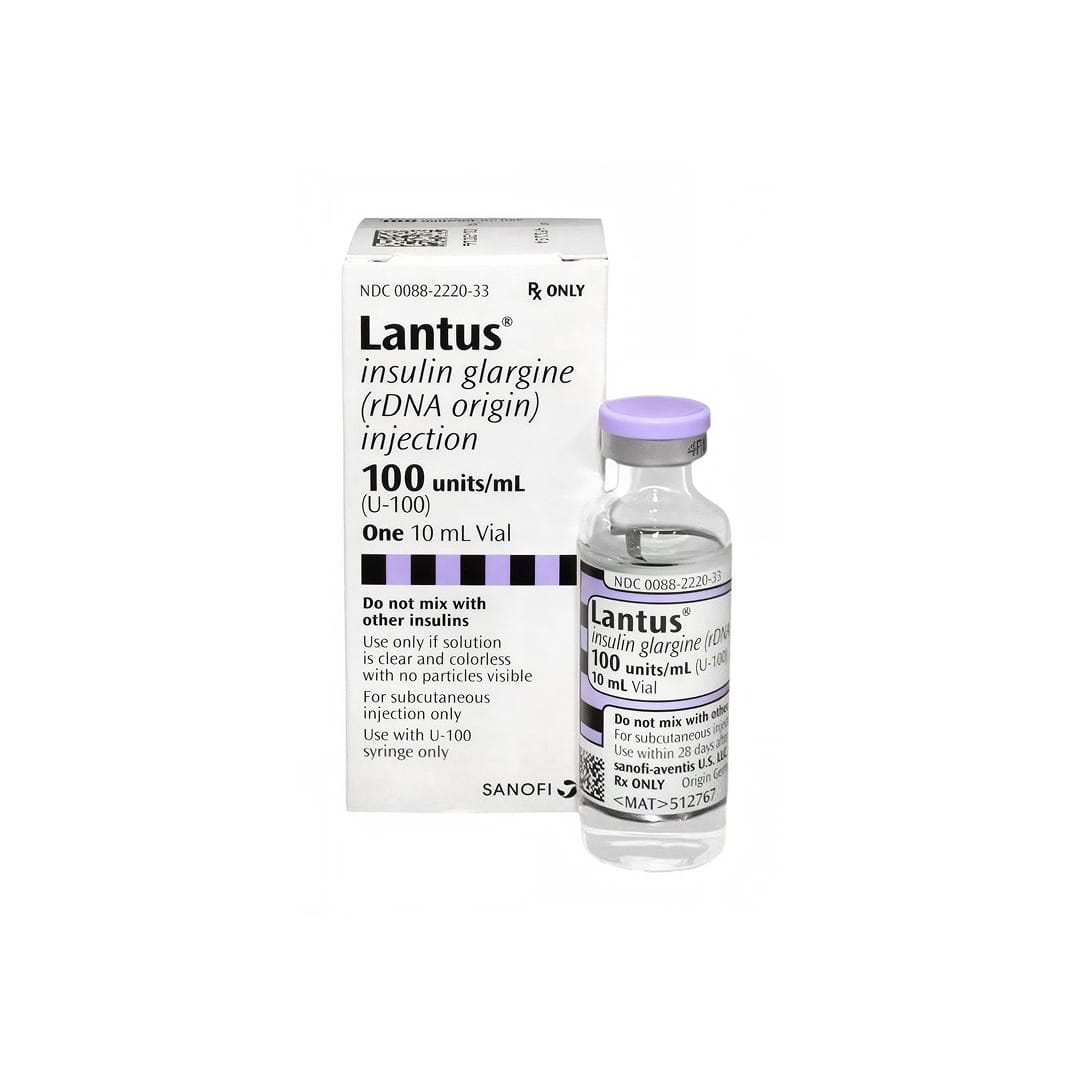
Lantus Vial is an insulin glargine U-100 vial used as a long-acting basal insulin for diabetes treatment. You can buy Lantus Vial online, view the current price, and choose the quantity that matches the insulin form and strength your clinician has directed. The Lantus 100 units/mL vial is used with a compatible U-100 insulin syringe and requires careful storage because insulin is temperature sensitive.
This vial format may fit people who are trained to draw insulin from a multidose vial instead of using a prefilled pen. Match the name, concentration, vial size, and quantity before checkout so the medicine, supplies, and handling plan align with your treatment routine. If US delivery from Canada is part of your order, consider refrigeration needs, travel timing, and home storage before the vial arrives.
Lantus Vial Price, Cost, and U-100 Size
The Lantus vial price depends on the quantity chosen and the current cash-pay amount shown during ordering. Review the vial count, insulin strength, and any cold-chain handling charges together, because the medicine cost is only one part of buying refrigerated insulin. People checking Lantus cost without insurance should also account for U-100 insulin syringes, sharps disposal supplies, alcohol swabs, and glucose-monitoring items if those are needed separately.
Lantus Vial contains insulin glargine at 100 units/mL, often called U-100. A common Lantus 10 mL vial contains 1,000 total units. That total is the amount of insulin in the vial, not a dose instruction. Your dose, timing, and adjustment plan should come from your diabetes care team and the label directions attached to your medicine.
Why it matters: A vial with the right concentration can still be unsafe if it is paired with the wrong syringe or used past the in-use limit.
| Attribute | What it means for ordering |
|---|---|
| Active ingredient | Insulin glargine, a long-acting basal insulin |
| Strength | 100 units/mL, also written as U-100 |
| Common vial size | 10 mL when the Lantus 10 mL vial is chosen |
| Total insulin in 10 mL | 1,000 units at 100 units/mL |
| Delivery supplies | Use with a U-100 insulin syringe |
How to Order the Insulin Glargine Vial Online
When you order Lantus Vial online, choose the vial form rather than a pen, cartridge, or different insulin concentration. Lantus Solostar pens and cartridge formats may contain the same active ingredient and strength, but they use different delivery steps and supplies. The vial requires measuring each dose with a compatible syringe.
Before checkout, compare the product name, concentration, vial size, and quantity against your current diabetes plan. Do not switch between Lantus, another insulin glargine product, Toujeo, Tresiba, Levemir, Basaglar, or a rapid-acting insulin unless your clinician has directed the change. Similar names in basal insulin can still mean different concentrations, devices, dose-conversion needs, or timing instructions.
We may review order details when information needs clarification. For refrigerated medicine, prompt, express, cold-chain shipping helps protect the product during transit, but home handling still matters after arrival. Place the vial in appropriate storage as soon as possible and avoid exposing it to freezing or excessive heat.
What Lantus Vial Is Used For
Lantus is a long-acting insulin used to improve blood sugar control in people with diabetes mellitus. It provides basal insulin, which means background insulin coverage between meals and overnight. It is not a rapid-acting insulin for mealtime glucose spikes and is not used to treat diabetic ketoacidosis, a serious emergency that requires urgent medical care.
Some people with type 1 diabetes use basal insulin with rapid-acting mealtime insulin. Some people with type 2 diabetes use basal insulin alone or with other diabetes medicines, depending on glucose patterns, meal timing, activity, and clinician-directed monitoring. The right combination depends on the individual care plan, not on the vial format alone.
Insulin glargine is designed for steady, long-acting coverage after injection under the skin. It should not be mixed with another insulin or diluted in the same syringe, because mixing can change how the medicine works. Rotate injection sites within the same general body area as instructed to reduce skin changes that can affect absorption.
Vial Use, Syringes, and Dose Handling
Lantus vial dosage comes from the prescribed instructions, not from the vial size. Draw each dose into a U-100 insulin syringe and check the syringe markings before injecting. Syringes for other concentrations can cause dosing errors because their markings may not represent the same number of insulin units.
Inspect the Lantus injection vial before use. Insulin glargine should be clear and colorless. Do not use the vial if the insulin looks cloudy, colored, thickened, or contains particles. Also avoid using a vial with a damaged stopper, an expired date, or any history of freezing or overheating.
Use a new sterile syringe and needle for each injection. Do not share syringes, needles, or insulin supplies with another person, even if the needle has been changed. Sharing injection equipment can transmit infections and can also create dosing or contamination risks.
- Confirm the vial says Lantus before drawing insulin.
- Use only a U-100 insulin syringe.
- Write down the date the vial is first used.
- Keep injection supplies and glucose-monitoring supplies together.
- Dispose of used sharps in an appropriate sharps container.
Quick tip: Mark the first-use date on the vial carton or a medication log.
Storage, In-Use Time, and Travel
Unopened Lantus vials should be stored in the refrigerator at label-recommended temperatures and protected from freezing. Do not place insulin directly against ice packs, freezer walls, or cooling elements. If a vial freezes, is left in a hot car, or has been exposed to extreme temperatures, it should not be used.
After first use, Lantus Vial may typically be kept refrigerated or at room temperature within label limits and should be discarded after 28 days. The 28-day in-use period can end before the vial is empty, especially when the daily dose is low. That discard timing is a storage and sterility rule; it is not a dosing recommendation.
Travel plans should include both temperature protection and supply access. Keep insulin, syringes, glucose-monitoring supplies, and low-blood-sugar treatment where they are reachable. When flying, carry insulin supplies with you if travel rules allow, because checked luggage can be exposed to temperature extremes. For broader handling reminders, the diabetes articles section includes practical education on insulin storage and daily management topics.
Side Effects, Warnings, and Monitoring
The most important safety risk with any insulin is hypoglycemia, or low blood sugar. Symptoms can include shakiness, sweating, hunger, fast heartbeat, headache, weakness, confusion, or irritability. Severe hypoglycemia can cause seizures, loss of consciousness, or death if not treated promptly. Keep fast-acting carbohydrate available if your care plan includes it, and follow your clinician’s instructions for lows.
Other possible side effects include injection-site redness, itching, swelling, rash, weight gain, and fluid retention. Repeated injections into the same spot may cause lipodystrophy, which means thickened, pitted, or lumpy fat tissue under the skin. Localized cutaneous amyloidosis can also form firm areas under the skin. Both can affect how insulin is absorbed, so injection-site rotation is important.
Serious allergic reactions can occur. Seek urgent help for trouble breathing, swelling of the face or throat, severe dizziness, or widespread rash. Lantus should not be used during episodes of low blood sugar or by anyone with a known hypersensitivity to insulin glargine or its ingredients. Insulin can also lower potassium levels, called hypokalemia, which may be more important in people taking certain medicines or those with specific medical risks.
Many medicines can change blood glucose or insulin needs. Corticosteroids, thyroid medicines, some diuretics, and certain decongestants may raise glucose. Other medicines can increase the risk of low blood sugar. Beta blockers may make some warning signs of hypoglycemia harder to notice. Alcohol, illness, surgery, changes in diet, weight changes, and exercise can also make readings less predictable.
Monitoring is part of safe insulin use. Follow the glucose-checking schedule recommended by your diabetes care team, and ask how to respond to repeated high or low readings. If you need broader condition information, the diabetes condition section explains diabetes treatment categories and monitoring themes in patient-friendly language.
How This Vial Compares With Related Insulin Choices
Lantus Vial may suit someone who is comfortable drawing insulin into a syringe and whose care plan specifies a vial. Vials can be practical for people who already use syringes, need certain dose-measuring routines, or prefer keeping supplies separate from a pen device. They also require more manual steps than a prefilled pen, so vision, dexterity, training, and daily routine matter.
A pen can reduce the need to draw insulin from a vial, while a cartridge may be used with compatible pen systems. Those formats still require correct technique and safe needle disposal. If a different Lantus form is being considered, use the long-acting insulin category to understand nearby basal insulin formats before discussing a change with a clinician.
Insulin glargine products are not automatically interchangeable with other basal insulins. Toujeo is a different concentration of insulin glargine, while Tresiba, Levemir, and other basal insulins use different active ingredients or dosing characteristics. Switching products may require new instructions, glucose monitoring, and dose adjustments from a healthcare professional.
Browse Diabetes Medication Categories
People using Lantus Vial often need other diabetes supplies or medicines as part of a broader care plan. The insulin products category groups rapid-acting, intermediate-acting, premixed, and long-acting insulins for easier browsing. This helps separate basal insulin vials from pens, cartridges, and mealtime insulin products.
For a wider view of diabetes treatments, the diabetes medications category includes non-insulin options as well as insulin-related products. The broader diabetes products category can also help organize medicine, monitoring, and related treatment needs. Use these categories for orientation, but do not substitute one medication for another without clinical direction.
If you are comparing insulin for a child, an adult with long-standing diabetes, or someone whose routine recently changed, focus on the active ingredient, concentration, delivery device, storage rules, and monitoring plan. Product selection should stay connected to clinician directions because basal insulin errors can cause serious high or low blood sugar.
Authoritative Sources
These sources support the clinical and handling points summarized above.
- DailyMed Lantus prescribing information describes indications, contraindications, warnings, storage, and administration instructions.
- Manufacturer vial and syringe instructions explain patient steps for drawing and injecting Lantus from a vial.
This content is for informational purposes only and is not a substitute for professional medical advice.
This content is for informational purposes only and is not a substitute for professional medical advice.
Customer reviews
Reviews from verified buyers, collected by Stamped.
- Reviews
- Questions
 US
USExcellent service
The Lantus insulin arrived in perfect condition, the ice pack still keeping it cool. The delivery was made much faster than I expected! Canadian Insulin is my go-to reliable source.
CanadianInsulin.com
Hi John, We’re so happy to hear your Lantus arrived in great condition and faster than expected! Thank you for trusting us as your go-to source. We truly appreciate your support and look forward to continuing to serve you. If you have any questions or need further assistance, please let us know, we're here to support you. Thank you for choosing Canadian Insulin. Have a great day!
USThanks
A necessary item for me, thank you.
CanadianInsulin.com
Hi Glenn, Thank you for your feedback! We're glad we could provide you with what you need. If you have any questions or need further assistance, please don't hesitate to reach out. We're here to support you. Thank you for choosing Canadian Insulin. Have a great day!
USLantus order delivered promptly and in good condition.
Pricing is excellent and ordering/delivery was efficient. I will definitely continue being a customer!
CanadianInsulin.com
Hi John, Thank you for your positive feedback! We're glad to hear that your Lantus order was delivered promptly and in good condition, and that you found our pricing and ordering process excellent. If you have any questions or need further assistance, please don't hesitate to reach out. We're here to support you. Thank you for choosing Canadian Insulin. Have a great day!
USOrder
Awesome as always!!
CanadianInsulin.com
Hi Daniel, Thank you for your kind words! We're delighted to hear that your order experience was awesome. Providing excellent service is our top priority, and we're thrilled that we could meet your expectations. If you have any questions or need further assistance, please feel free to reach out. Have a great day!
USVery satisfied !!! ***
was great, just the Transport takes too long
CanadianInsulin.com
Hi Baerbel, Thank you for your feedback. We're thrilled to hear that you were very satisfied with our service. Your positive rating means a lot to us! We understand your concern about the transport duration, and we appreciate you bringing it to our attention. We're continuously working to improve our delivery times, and your feedback helps us in this process. To address this matter, we'll assign someone to reach out immediately to offer suitable solution and uncover any underlying issue to prevent recurrence of the same issue. We look forward to resolving this matter with you and your patience is highly appreciated.
Two ways to ship
Cold-packed medications travel by Express shipping. Dry-packed medications can ship Express or Standard.
Earn points on every order
Earn points on birthdays, product orders, reviews, friend referrals, and more! Enjoy your medication at unparalleled discounts while reaping rewards for every step you take with us.
Register and/or Login
Create an account and start earning.
Earn Rewards
Earn points every time you shop or perform certain actions.
Redeem
Redeem points for exclusive discounts.
Ways to save
We stand behind our prices
We work hard to offer the very best available price. If you find a lower price on the same product, we will match it.
Learn how →Tiered pricingNew tiered pricing is here
Buy more and save more on the medications you trust: save 7% per pack when you buy 2, and 14% per pack when you buy 3 or more.
See tiered pricing →You might also like
View all →
Related articles
View all →
Humalog KwikPen Generic Options and Insulin Lispro Safety
A Humalog KwikPen generic search usually comes down to one key point: Humalog KwikPen contains insulin lispro, but insulin copies are not…
Read more →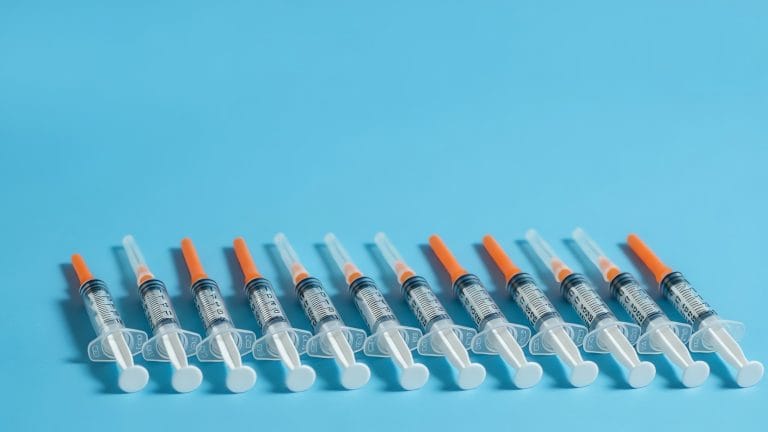
Insulin Syringe Sizes: Barrel, Needle, and Safety Basics
Insulin syringe sizes describe three things: how much the barrel holds, how long the needle is, and how thin the needle is.…
Read more →
Fiasp Alternative Options for Mealtime Insulin Decisions
A Fiasp alternative is usually another mealtime insulin that acts quickly around food, not a simple over-the-counter substitute. Options may include other…
Read more →
Awiqli: Safety, Monitoring, and Weekly Insulin Basics
Awiqli is a once-weekly basal insulin icodec product used as background insulin in diabetes care. It is not a mealtime insulin, and…
Read more →Speak to us
Our customer service team are highly experienced and friendly. Get in touch today.
Is Lantus Vial the same as Lantus Solostar?
No. Lantus Vial and Lantus Solostar contain insulin glargine U-100, but the delivery format is different. The vial is used with a U-100 insulin syringe, while Solostar is a prefilled pen device. Do not switch formats unless your clinician has directed you to do so.
How many units are in a Lantus 10 mL vial?
A 10 mL Lantus U-100 vial contains 1,000 total units because the concentration is 100 units/mL. That total is not a dosing instruction. Your dose and injection schedule should follow your clinician’s directions and the medicine label.
How long can Lantus Vial be used after opening?
Lantus Vial is typically discarded 28 days after first use, even if insulin remains. Follow the storage instructions supplied with your medicine, protect it from heat and freezing, and write down the first-use date.
Can Lantus Vial treat diabetic ketoacidosis?
No. Lantus is a long-acting basal insulin and is not used to treat diabetic ketoacidosis. Diabetic ketoacidosis is a medical emergency that needs urgent care and different treatment.
What is the main safety concern with Lantus Vial?
The main safety concern is hypoglycemia, or low blood sugar. Symptoms may include shakiness, sweating, hunger, fast heartbeat, weakness, headache, or confusion. Severe low blood sugar can be dangerous, so follow your glucose-monitoring and low-treatment plan.
Can Lantus be mixed with another insulin in the same syringe?
No. Lantus should not be mixed with another insulin or diluted in the same syringe. Mixing can change how it works and may increase the risk of unsafe blood sugar changes.
Speak to our team
 Call toll free1-844-560-7790
 Emailservice@canadianinsulin.com
Monday to Friday 7am – 11pm EST
Saturday 7am to 7pm EST
Sunday 8am – 5pm EST