

General Health Articles and Resources
Plain-language guides on medications, conditions and everyday care, to read before you talk with your prescriber or pharmacist.

Body Mass Index (BMI): Ranges, Uses, and Limits
Body mass index (BMI) is a screening measure that compares weight with height. It helps place most adults into broad weight categories,…
Read more →
GLP-1 Drugs Over The Counter: Safety, Claims, And Access
Prescription GLP-1 medicines are not available as true over-the-counter drugs. If you see glp-1 drugs over the counter advertised, the product is…
Read more →
Ozempic Bodybuilding: Muscle-Sparing Tips for Lifters
Ozempic bodybuilding discussions usually focus on cutting fat, but the main issue is muscle preservation during appetite suppression. GLP-1 medicines can make…
Read more →
Is Food Noise an Eating Disorder? How to Tell the Difference
Key Takeaways Food noise is persistent, repetitive food thoughts. Eating disorders involve behaviors, distress, and impairment over time. Hunger and cravings are…
Read more →
Eli Lilly Zepbound: Savings Card and LillyDirect Access Basics
eli lilly zepbound access usually involves more than getting a prescription. Most people need to understand three separate steps: clinical eligibility, insurance…
Read more →
Low Income Medication Options for Safer Refill Planning
If you cannot afford a prescription, start by protecting the medication plan before you search for a cheaper source. Low income medication…
Read more →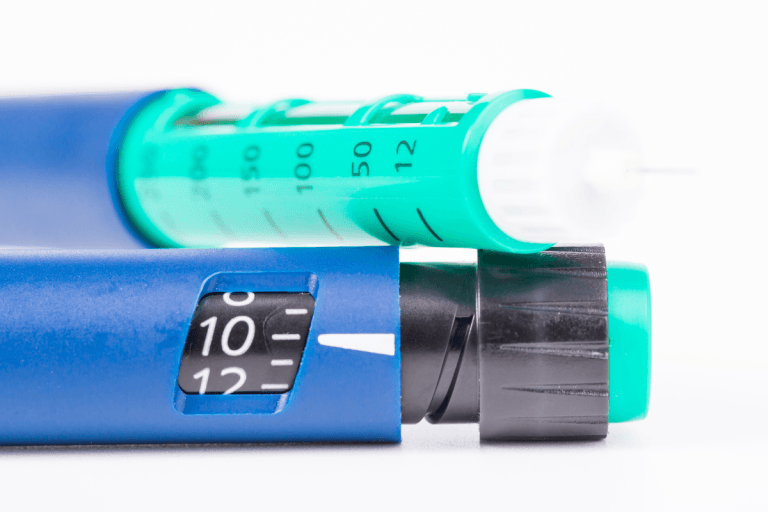
Semaglutide Online Without Membership: Access and Safety Checks
OverviewSemaglutide online without membership usually means using a prescription-based pathway without paying a recurring platform fee. That can be possible, but it…
Read more →
Illegal Weight Loss Drugs: How to Spot Counterfeits Safely
Key Takeaways illegal weight loss drugs may be counterfeit, unapproved, or diverted products. Big warning signs include “miracle” claims, missing lot numbers,…
Read more →
Malnutrition Awareness Week: Signs, Screening, and Action Steps
Malnutrition Awareness Week is an annual campaign that helps people recognize, discuss, and act on malnutrition before it causes avoidable harm. It…
Read more →
Family Health and Fitness Day: Safer Activity Ideas for Families
Family Health and Fitness Day is an awareness day that encourages families to move together, use local parks or recreation spaces, and…
Read more →
National Senior Health and Fitness Day: Safe Ways to Join In
National senior health and fitness day is an annual observance focused on safe movement, health education, and social connection for older adults.…
Read more →
Memorial Day: Respectful Ways to Honor the Fallen and Stay Well
Memorial Day is best observed as a day of remembrance first, with health and safety woven into the plan. This Memorial Day…
Read more →General Health brings together educational articles about everyday wellness, prevention-minded habits, and common health questions. Use this archive to find plain-language explanations, condition-linked reading, and related medication categories when a topic overlaps with ongoing care. It is most useful when you want a starting point, not a diagnosis or treatment plan.
The topics here are broad by design. You can scan for nutrition questions, physical health basics, cardiometabolic (heart and metabolism-related) concerns, mental well-being, endocrine (hormone-related) subjects, and research updates that affect how patients understand care discussions.
What General Health articles cover
General health means the wider picture of how the body and mind function day to day. It can include sleep, movement, food choices, preventive care, emotional health, and the medical conditions that influence overall health status. This archive keeps that scope practical by grouping articles that answer common questions without turning them into personal instructions.
Some posts explain everyday habits, such as family activity routines in Family Health And Fitness Day. Others connect wellness questions to chronic conditions, such as Vitamin D And Diabetes. These pieces can help you understand terms, prepare better questions, and decide which related category deserves a closer look.
Nutrition, vitamins, and supplement questions
Many readers arrive with questions about general health vitamins, types of vitamins, or a vitamin supplements list. This archive may include nutrition-adjacent reading, but it does not replace a personal nutrition assessment. A daily vitamin intake for adults can vary by age, diet, pregnancy status, medications, lab results, and diagnosed deficiencies. A clinician or registered dietitian can help interpret an all vitamins food list or a vitamin and mineral supplements list in the context of your health record.
Posts in this area may discuss nutrients, fibre, seafood choices, food patterns, or vitamin D. They are not meant to rank the best supplements to take for overall health. Use them to separate broad wellness information from questions that need individual review.
Quick tip: Save supplement questions for appointments when medications or chronic conditions are involved.
How to choose a useful starting point
Start with the question you are trying to answer. If you want definitions, choose broad wellness articles first. If you are comparing symptoms, medication classes, or risk factors, move into a condition or product category. If your question involves treatment changes, use the reading as preparation for a licensed professional, not as a decision tool.
| Topic direction | Useful starting point | What it helps you compare |
|---|---|---|
| Blood sugar and metabolic health | Type 2 Diabetes Articles | Food, medication classes, monitoring, and daily care topics. |
| Weight, appetite, and lifestyle questions | Weight Management Articles | Nutrition themes, activity patterns, and medication-related reading. |
| Heart and circulation concerns | Cardiovascular Articles | Blood pressure, cholesterol, heart risk, and related conditions. |
| Hormone and thyroid topics | Endocrine And Thyroid Articles | Hormone-related symptoms, thyroid context, and connected conditions. |
When articles connect to conditions or medication categories
General Health topics often overlap with diagnosed conditions. Readers who notice repeated references to blood pressure can browse the High Blood Pressure condition page. Cholesterol-focused questions may fit the High Cholesterol condition page. If an article discusses prescribed diabetes treatments, the Diabetes Medications product list can help you understand related medication categories without replacing prescribing advice.
CanadianInsulin.com operates as a prescription referral platform for medication-related pages, and prescription details may be confirmed with a prescriber when required. Licensed third-party pharmacies handle dispensing where permitted.
- Use condition pages when you want resources grouped around a diagnosis or risk factor.
- Use article categories when you want explanations, comparisons, or research summaries.
- Use product categories when you need to identify medication classes or product names.
- Use specific product pages only after confirming the medication name with your care team.
Reading health information safely
Broad health articles can make general health problems easier to name, but they cannot diagnose symptoms. Health problems examples may include fatigue, weight change, blood sugar changes, mood symptoms, pain, or sleep disruption. Health condition examples may include diabetes, heart disease, depression, anxiety, chronic kidney disease, and thyroid disorders. Similar symptoms can have different causes, so context matters.
Medication articles need extra care. Do not adjust doses, combine medicines, stop treatment, or start supplements based only on an article. Bring questions about side effects, lab results, pregnancy, kidney function, liver function, and drug interactions to a qualified clinician or pharmacist.
Why it matters: Category browsing works best when it helps you ask safer, clearer questions.
Related reading paths in this archive
This General Health archive can sit between highly specific medical articles and broader wellness questions. It is a good place to begin when your question is not yet tied to one diagnosis. Once the topic becomes clearer, move into a more focused category or condition page.
For example, a question about fatigue may lead toward thyroid reading, blood sugar resources, sleep habits, or mental health information. A question about heart risk may lead toward cholesterol, blood pressure, diabetes, weight, or kidney-related content. The goal is to narrow the next page you open, not to make a medical decision from one article.
Use the collection as a clear map
Browse this collection with one practical aim at a time. Look for the topic group, scan the article titles, and move into the condition or product category only when it matches your question. If symptoms are new, severe, worsening, or hard to explain, contact a licensed healthcare professional instead of relying on category browsing.
This content is for informational purposes only and is not a substitute for professional medical advice.
This content is for informational purposes only and is not a substitute for professional medical advice.
Frequently asked questions
About reading the General Health archive.
What does General Health include on this archive?
It includes educational articles about everyday wellness, nutrition, physical health, chronic condition context, and medication-related topics. The archive is broad, so it works best as a starting point. You can use it to identify the most relevant article category, condition page, or product category before moving into more focused reading.
Where should I start if I am comparing health topics?
Start with the topic that best matches your question. Nutrition and activity questions may fit broad wellness articles. Blood sugar, blood pressure, cholesterol, kidney, or thyroid questions may fit a condition-focused page. Medication class questions are usually easier to compare in product categories or treatment explainers, while personal decisions should stay with your clinician.
Can these articles help with vitamins or supplements?
They can help explain nutrient-related topics, such as vitamin D, diet patterns, or fibre, when those topics appear in the archive. They should not be used as a personal supplement plan. Daily vitamin needs can change with age, diet, pregnancy, medical conditions, medications, and lab results, so individual advice should come from a qualified professional.
How should I use medication-related articles in this category?
Use medication-related articles for background and vocabulary. They may explain drug classes, side effects to ask about, or how a medication is commonly discussed in care. They should not guide dose changes, substitutions, or treatment starts. If an article raises a concern, compare it with your prescription label and discuss it with a clinician or pharmacist.
Browse by medical condition
Products and reading lists grouped by condition, from A to Z.
All medical conditions →Looking for a medication?
Prices in USD, shown before you pay. Prescription required.
Shop all medications →The contents of CanadianInsulin.com are for informational purposes only and should not be considered medical advice. We do not guarantee the accuracy of the content on CanadianInsulin.com, nor do we assume any responsibility for any actions taken using the information found on our website. Always consult with your family physician or a qualified health care provider about any health or medical concerns.