


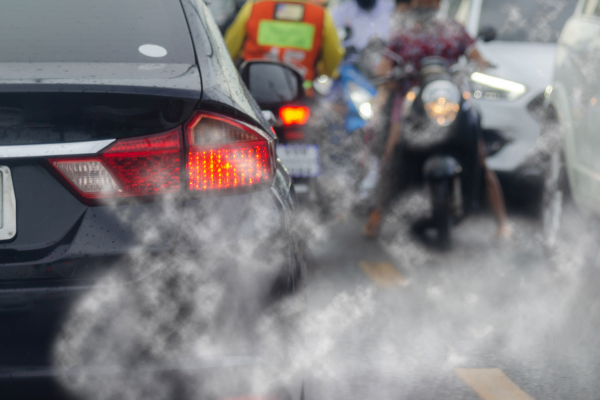
Environmental risk factors for diabetes are the outside conditions that can shape who develops diabetes, when it appears, and how hard it is to manage. They do not replace genetics, diet, physical activity, or body weight. Instead, they interact with them. The strongest links are seen in type 2 diabetes and include air pollution, neighborhood deprivation, walkability, food access, traffic exposure, noise, and extreme heat. In type 1 diabetes, environmental triggers are still being studied and seem to interact with genetic susceptibility rather than act alone.
That distinction matters. Some exposures may raise long-term risk, while others mainly worsen day-to-day safety for people already living with diabetes. A useful review looks at both.
Why it matters: Environment can influence risk before diagnosis and stability after diagnosis.
Key Takeaways
- Environmental exposures can affect diabetes risk and diabetes management.
- Type 2 diabetes has the clearest links with built, social, and pollution-related factors.
- Type 1 diabetes may involve environmental triggers, but evidence is less settled.
- Heat, smoke, traffic pollution, and disasters can create immediate safety issues.
- Practical review starts with your home, neighborhood, work setting, and access to care.
What Environmental Factors Mean In Diabetes
Environmental factors in diabetes include the physical, social, and chemical conditions around a person. That can mean outdoor air quality, housing conditions, roadway exposure, heat, noise, food access, neighborhood safety, and access to green space. Researchers sometimes use the term exposome (the total mix of exposures across a lifetime) to describe this wider picture.
Diabetes rarely comes from one cause. As broader discussions of Diabetes Risk Factors explain, family history, weight, sleep, stress, medications, and metabolic health all matter. Environment shapes many of those factors from the background. It influences what food is easy to buy, whether walking feels realistic, how often sleep is interrupted, and how much pollution you breathe.
The story also changes by diabetes type. Type 2 diabetes is more consistently linked with long-term neighborhood and pollution exposures. For Type 1 Diabetes, scientists are studying environmental triggers that may help start or accelerate an immune process in people who are already susceptible.
Not every study can prove cause and effect. People are not randomly assigned to neighborhoods, jobs, or pollution exposure. Researchers try to adjust for smoking, income, education, and existing illness, but some uncertainty remains. Even so, repeated associations across different populations make the environmental question hard to dismiss.
CanadianInsulin.com is a referral platform and does not dispense medications directly.
How Environment May Shape Type 2 Diabetes Risk
When people discuss environmental risk factors for diabetes, most of the strongest evidence involves type 2 diabetes. The pattern is not that one exposure causes every case. Instead, many exposures appear to stack together over years and influence weight, physical activity, sleep, inflammation, and insulin resistance.
Built And Food Environments
The built environment is the layout of daily life. Walkable streets, connected sidewalks, safe parks, public transit, and nearby destinations can make routine movement easier. Areas without those features may push people toward sedentary habits, long car commutes, and less incidental activity. That matters because movement is closely tied to glucose handling and Improving Insulin Sensitivity.
Food environment matters too. Researchers look at whether neighborhoods have supermarkets, fresh produce, affordable staples, or mostly convenience foods and fast-food outlets. This does not mean a ZIP code determines anyone’s diet. It means daily options, cost, time pressure, and transportation can shape long-term eating patterns. If you are reviewing how meals affect glucose more broadly, the Food Insulin Index offers related background.
Air, Traffic, Noise, And Deprivation
Air pollution is one of the most studied environmental factors of type 2 diabetes. Long-term exposure to fine particles and traffic-related pollution has been linked in many studies with higher diabetes risk. Researchers think chronic inflammation, oxidative stress, and vascular strain may be part of the pathway, although the exact mechanism is still being studied.
Traffic exposure does not act alone. Roadway proximity often overlaps with noise, stress, less green space, and fewer safe places to be active. Residential noise may also matter because poor sleep and chronic stress can disrupt metabolic health. Area-level socioeconomic deprivation adds another layer. Under-resourced neighborhoods often face several risks at once: less preventive care, fewer recreational spaces, more air pollution, and higher barriers to healthy food.
Greenspace gets attention for a reason. Trees, parks, and cooler streets may support walking, reduce heat burden, and lower stress. By contrast, hotter urban zones with heavy traffic can combine heat exposure with noise and poor air quality. That combination may matter more than any single factor on its own.
| Environmental factor | Common research pattern | Why it may matter |
|---|---|---|
| Air pollution and traffic | Often linked with higher observed type 2 diabetes risk | May contribute to inflammation and vascular stress |
| Low walkability | Often linked with less routine physical activity | Daily movement becomes harder to sustain |
| Poor food access | Associated with less consistent access to healthier options | Diet quality can be shaped by cost and convenience |
| Residential noise | Linked in some studies with higher metabolic risk | Sleep disruption and stress may play a role |
| Neighborhood deprivation | Often clusters with several risk factors at once | Resources, care access, and safe spaces may be limited |
Risk can also build before diabetes is diagnosed. People with early metabolic changes may first notice issues in the prediabetes range. If that stage is new to you, Prediabetes Signs can help with orientation.
None of this means the environment is destiny. It means health behaviors happen inside real constraints. Two people may receive the same advice, but one has safe sidewalks, cleaner air, stable housing, and nearby groceries, while the other does not.
What We Know About Type 1 Diabetes And Environmental Triggers
Environmental factors of type 1 diabetes are harder to pin down. Type 1 diabetes is an autoimmune condition, so researchers are asking a different question: which exposures might help trigger immune damage to insulin-producing beta cells in people with genetic susceptibility?
Several possibilities have been studied, including viral infections, early-life diet, microbiome patterns, seasonal factors, and some chemical exposures. The important point is caution. These are not simple one-to-one causes, and no single exposure explains most cases. Many findings are mixed, population-specific, or difficult to reproduce.
If you compare Type 1 Vs Type 2, this is one of the biggest differences. Type 2 research often looks at long-term neighborhood and lifestyle context. Type 1 research focuses more on immune triggers, especially in infancy, childhood, or adolescence. That is why the evidence base feels less settled even though the topic gets a great deal of attention.
Prescription details may be confirmed with the original prescriber when rules require it.
A practical takeaway is not to overinterpret one exposure. Parents and patients often want one answer, but type 1 diabetes likely reflects an interaction between genes, immune development, and environment rather than a single preventable trigger.
Diabetes And Environmental Hazards In Daily Life
Environmental hazards matter even after diagnosis. For people already living with diabetes, the main issue is often not whether an exposure caused the condition. It is whether that exposure makes glucose control, hydration, monitoring, or medication handling harder.
Extreme Heat And Climate Stress
Extreme heat can raise the risk of dehydration, reduce exercise tolerance, and make blood glucose patterns less predictable. People who sweat heavily, work outdoors, are older, or take medications that affect fluid balance may have added vulnerability. Heat can also affect how supplies are stored. Insulin and some diabetes equipment are best protected from temperature extremes, especially during travel or power outages.
Healthcare access is part of the environment too. A missed bus, closed clinic, broken air conditioner, or pharmacy disruption can affect daily diabetes care as much as weather. For people who use insulin, sick-day planning and storage precautions become especially important during prolonged outages or evacuations.
Monitoring becomes more important when routines change. If you are comparing options for home checks, Best Glucometer is a useful starting point, and the Diabetes Products hub can help you browse common supply categories.
Poor Air Quality, Smoke, And Disasters
Air pollution and wildfire smoke may worsen respiratory stress and make outdoor activity less practical. People with diabetes often have other conditions, such as cardiovascular or kidney disease, that can increase risk during severe air quality events. Natural disasters add another layer. Power loss can interrupt refrigeration, charging, and access to pharmacies or clinics. Evacuation can disrupt meals, sleep, and routine monitoring.
Quick tip: Keep a written list of medications, devices, refill dates, and prescriber contacts with your emergency supplies.
This is one reason diabetes and environmental hazards are discussed together in public health. The same exposure can be a long-term risk factor in one context and an immediate safety issue in another.
Where permitted, licensed third-party pharmacies handle dispensing and fulfilment.
Why Place Matters Beyond Personal Choice
Neighborhood effects can look abstract, but they show up in ordinary routines. A long commute can shorten sleep. An unsafe street can reduce walking. Limited transit can make medical appointments harder to keep. High housing costs can crowd out food budgets. These pressures do not guarantee diabetes, but they can make prevention and management harder.
That is why environmental determinants of diabetes are not just about toxins. Social conditions matter too. Researchers increasingly study greenspace, crime, school and work environments, housing stability, and area-level deprivation because these shape stress and opportunity over time.
For some readers, the most helpful next step is broader context rather than a single exposure. You can browse the Diabetes Articles collection for related topics, or use the Diabetes Hub to review condition-specific information and common treatment categories.
How To Review Environmental Risk In Real Life
Reviewing environmental risk in diabetes is less about finding one culprit and more about mapping the pressures around a person. This works best as a practical conversation with a clinician, diabetes educator, or public health team.
- Home heat exposure: note whether summer heat or poor cooling affects hydration, sleep, or supplies.
- Work conditions: consider shift work, outdoor labor, or long sedentary hours.
- Commute and traffic: note road exposure, noise, and time lost to travel.
- Food access: identify how far basic groceries are from home or work.
- Walking environment: note lighting, sidewalks, safety, and available green space.
- Monitoring backup: plan for outages, travel, smoke events, or evacuation.
- Clinical context: review family history, prior glucose changes, and other risk factors together.
It can help to look for patterns instead of one-off events. Some people notice higher readings during heat waves, less activity during smoke events, or meal disruption during long shifts. Those observations do not prove cause, but they can help make a clinical conversation more specific.
Further reading often helps more than trying to solve the question in one sitting. Environmental evidence is strongest when patterns repeat across many studies, not when a single headline points to one dramatic cause.
Authoritative Sources
- U.S. EPA fact sheet on diabetes and environmental hazards
- NIH-hosted review of environmental risk factors for type 2 diabetes
- NIH-hosted review of environmental risk factors for type 1 diabetes
In short, environment does not replace the usual diabetes risk conversation. It adds context. Air quality, heat, neighborhood design, social conditions, and access to care can all shape risk or daily safety, especially over time.
This content is for informational purposes only and is not a substitute for professional medical advice.











