

Mental Health Articles and Resources
Plain-language guides on medications, conditions and everyday care, to read before you talk with your prescriber or pharmacist.

Children With Diabetes: Anxiety and Fear Management Guide
Anxiety and fear can complicate daily care for children with diabetes. These emotions may surface around needles, numbers, nighttime lows, or school…
Read more →
Wegovy and Alcohol: Safety, Cravings, and AUD Questions
You can usually drink alcohol in moderation while using Wegovy, but it may worsen nausea, dizziness, dehydration, and weight-loss setbacks. Wegovy and…
Read more →
Semaglutide and Depression: Risks, Mood Changes, and Monitoring
Current evidence does not prove that semaglutide directly causes depression, but mood changes have been reported by some people using GLP-1 medicines.…
Read more →
Holiday Stressors: Practical Ways to Cope at Christmas
Holiday stressors are the pressures that make the Christmas season feel emotionally, physically, or financially harder than usual. Common triggers include money…
Read more →
Emotional Eating: Practical Strategies to Break the Cycle
Emotional eating is eating in response to feelings such as stress, boredom, loneliness, or frustration rather than physical hunger. The most effective…
Read more →
Diabetes and Irrational Behavior: Signs, Triggers, and Support
Diabetes and irrational behavior can be linked when blood glucose swings, diabetes distress, poor sleep, or mental health symptoms affect thinking and…
Read more →
Diabetes and Mood Swings: Triggers, Warning Signs, and Care
Yes. Diabetes can affect mood. Diabetes and mood swings often happen when blood glucose drops, rises, or changes quickly, but they can…
Read more →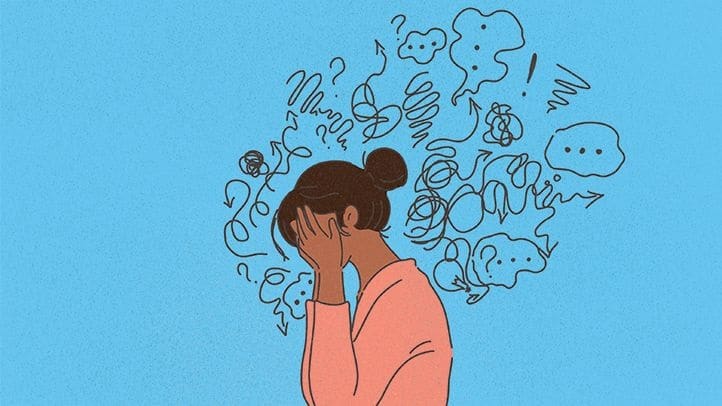
Diabetes and Anxiety: Symptoms, Triggers, and Care Steps
Diabetes and anxiety can influence each other through blood sugar changes, daily treatment demands, sleep disruption, and fear of complications. The safest…
Read more →
Diabetes and Depression: Distress, Mood, and Support
Diabetes and depression are closely linked. The connection is not just emotional, and it is not a sign of weak coping. Living…
Read more →
Stress and Diabetes: Mechanisms, Symptoms, and Practical Steps
Stress can push glucose out of balance, and the link between stress and diabetes matters for daily management. Acute pressures activate hormones…
Read more →This editorial archive collects mental health articles tied to diabetes, metabolic health, and daily wellbeing. Use it to choose focused reading on stress, anxiety, depression, burnout, mood changes, sleep, and brain function. Patients, caregivers, students, and general readers can scan by topic, compare article angles, then open the piece that matches the question in front of them.
Mental Health Articles in This Archive
Resources here focus on the overlap between emotional wellbeing and chronic condition management. You will find diabetes-specific reading on the strain that can follow diagnosis, the day-to-day fatigue of self-care, and common mood concerns that may affect routines.
Start with Diabetes Burnout if ongoing diabetes tasks feel mentally draining. Diabetes Diagnosis and Mental Health is a better first read when the question is about adjusting after a new diagnosis. For symptom-focused topics, compare Diabetes and Anxiety with Diabetes and Depression to separate anxious thoughts, low mood, and daily coping concerns.
Because this page is an editorial archive, the items are meant for reading and orientation. They do not compare products, diagnose symptoms, or suggest changes to prescribed care. Use each article as a way to name concerns more clearly before a professional conversation.
How to Browse by Question, Not by Label
Many readers arrive with a broad phrase like what is mental health or why is mental health important. This collection works best when you turn that broad question into a practical reading goal. Look for articles that match the situation, such as stress before appointments, mood changes around glucose swings, or sleep problems that make self-care harder.
- For stress and routines, use Stress and Diabetes to separate general pressure from diabetes-specific strain.
- For emotional shifts, compare Diabetes and Mood Swings with Blood Sugar and Brain Function.
- For rest, fatigue, and nighttime habits, open How to Sleep Better if You Have Diabetes.
Quick tip: Write down the question you want answered before opening several articles.
Common Themes and Reading Paths
These mental health articles are not organized as a diagnostic manual. They group reading around daily experiences that often bring people to an education archive. That may include anxiety, depression, burnout, stress, irritability, sleep disruption, and changes in attention or decision-making.
| Browsing goal | What to compare | Useful cue |
|---|---|---|
| Understand a feeling or pattern | Plain-language explainers and symptom-focused posts | Check whether the article explains signs, context, and limits. |
| Connect mood with diabetes care | Articles about diagnosis, burnout, stress, and glucose changes | Look for practical context, not medication instructions. |
| Prepare for a clinician conversation | Posts that name patterns and questions to bring forward | Use the article to organize notes, not to self-diagnose. |
If you need diabetes background before reading about emotions or behavior, the Type 2 Diabetes Articles archive gives more condition-focused context.
Safety and Interpretation Boundaries
Mental health describes emotional, psychological, and social wellbeing. A mental illness definition usually refers to diagnosable conditions that affect thoughts, feelings, behavior, or daily function. Online reading can help you learn terms and notice patterns, but it cannot confirm a diagnosis, rank causes of mental illness, or replace a mental health test performed by a qualified professional.
Some articles discuss glycemic variability (blood sugar swings), fatigue, sleep loss, or medication routines because physical health and mood can interact. Treat those connections as discussion points. A clinician can review symptoms, medicines, labs, and personal history together.
Warning signs of mental illness can vary by age, health status, substance use, medications, and stress exposure. Seek urgent local help if someone may harm themselves or another person. For non-urgent concerns, use the articles to prepare clear notes for a clinician, counselor, or pharmacist.
CanadianInsulin.com is a prescription referral platform, so medication-specific pages may require prescription details to be checked with the prescriber when needed.
For Caregivers, Students, and Everyday Readers
Caregivers often need short explanations that make behavior changes easier to discuss. Students and general readers may need basic mental health awareness language, while patients may need articles that respect the added work of living with a chronic condition. The best starting point depends on the task.
- Choose overview-style articles when you need definitions or examples.
- Choose condition-linked articles when diabetes, sleep, or blood glucose is part of the question.
- Choose mood-specific articles when anxiety, depression, stress, or irritability is the main concern.
Some searches ask what are the 7 types of mental disorders. This archive does not try to replace formal classification systems. Instead, it helps you find plain-language articles that connect emotional, cognitive, and behavioral concerns with daily health decisions.
Use the Archive as a Reading Map
This collection works best when you choose one question, read one focused piece, and then decide whether you need condition background, symptom context, or professional support. If a topic feels urgent or personal, pause browsing and contact an appropriate professional or local support service.
For steady reading, begin with the concern closest to daily life: stress, sleep, mood, diagnosis adjustment, or burnout. Then branch into related diabetes education only when it helps explain the original question.
This content is for informational purposes only and is not a substitute for professional medical advice.
This content is for informational purposes only and is not a substitute for professional medical advice.
Frequently asked questions
About reading the Mental Health archive.
How should I use this Mental Health category?
Use the category as a reading path, not as a diagnosis tool. Start with the concern closest to your question, such as stress, anxiety, burnout, depression, sleep, or adjustment after diagnosis. Then compare related articles only if they help clarify the same issue. This approach keeps browsing focused and reduces the chance of mixing unrelated topics.
Are these articles a mental health test?
No. The articles can explain common terms, examples, and warning signs, but they cannot screen, diagnose, or rule out a condition. A mental health test or assessment should be handled by a qualified professional who can review symptoms, history, medications, and safety concerns. Use the articles to organize questions before that conversation.
Where should I start if diabetes affects mood or stress?
Begin with articles that match the main issue. Burnout content may fit ongoing self-care fatigue. Anxiety or depression articles may fit mood-specific concerns. Sleep or brain-function topics may help when rest, concentration, or glucose changes are part of the question. Avoid changing medication routines based on reading alone; bring concerns to a clinician.
Do these resources cover every type of mental disorder?
Not necessarily. This archive is organized around practical reading topics, especially where mental wellbeing overlaps with diabetes and daily health. It may mention anxiety, depression, stress, burnout, mood changes, and behavior changes, but it is not a full psychiatric classification resource. Formal categories and diagnoses should be discussed with a qualified mental health professional.
Browse by medical condition
Products and reading lists grouped by condition, from A to Z.
All medical conditions →Looking for a medication?
Prices in USD, shown before you pay. Prescription required.
Shop all medications →The contents of CanadianInsulin.com are for informational purposes only and should not be considered medical advice. We do not guarantee the accuracy of the content on CanadianInsulin.com, nor do we assume any responsibility for any actions taken using the information found on our website. Always consult with your family physician or a qualified health care provider about any health or medical concerns.