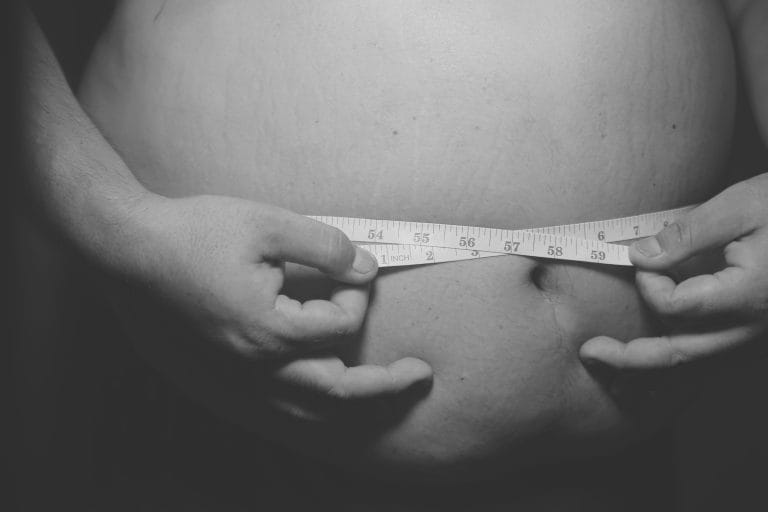
Emotional eating is eating in response to feelings such as stress, boredom, loneliness, or frustration rather than physical hunger. The most effective way to stop it is usually not stricter willpower. It is learning to notice the cue, pause before acting on it, and use a few non-food responses that fit the moment. That matters because short relief can train the brain to repeat the same cycle the next time stress hits.
Key Takeaways
- Emotional eating is usually driven by feelings, habits, context, or restriction, not weak character.
- Emotional hunger often feels sudden, specific, and urgent, while physical hunger builds more gradually.
- Pausing before eating, tracking triggers, and slowing meals can make urges easier to manage.
- Nighttime episodes often reflect fatigue, skipped meals, low structure, or easy access to comfort foods.
- Frequent loss of control, shame, secrecy, or compensatory behaviors deserves professional assessment.
What Emotional Eating Actually Means
Emotional eating often shows up as comfort eating or stress eating. A hard meeting, an argument, a lonely evening, or simple boredom can create a fast urge to eat even when your body does not need fuel yet. The food is not always the problem. The pattern becomes more important when eating turns into the main way you calm down, numb out, reward yourself, or avoid an uncomfortable feeling.
This is common, and it is not a moral failure. Emotions, habits, sleep loss, past dieting, and easy access to highly rewarding foods can all reinforce the same behavior. A useful way to think about it is that food can do several jobs at once. It can provide energy, comfort, distraction, celebration, or routine. Trouble starts when the comfort job crowds out the others and becomes your default response to stress.
Not every emotionally influenced snack is a major problem. Many people eat cake at a celebration or reach for soup when they feel run down. Concern rises when the pattern feels automatic, happens often, or leaves you feeling guilty or out of control afterward. For broader lifestyle context, the Weight Management Hub lets you browse related topics around appetite, routines, and long-term habits.
CanadianInsulin.com works as a prescription referral platform.
Emotional Hunger vs Physical Hunger
Emotional hunger usually feels different from physical hunger, although the two can overlap. Physical hunger tends to build gradually and is easier to satisfy with a normal meal. Emotional hunger is often sudden, specific, and linked to a feeling or situation rather than time since your last meal.
| Feature | Emotional Hunger | Physical Hunger |
|---|---|---|
| Onset | Comes on quickly | Builds over time |
| Craving | Often wants a specific comfort food | Many foods sound acceptable |
| Urgency | Feels hard to delay | Can usually wait a bit |
| Stopping point | May continue past comfort | Eases as fullness appears |
| After-feeling | Relief, guilt, or frustration may follow | Usually neutral satisfaction |
These signs are helpful, but they are not perfect. You can be physically hungry and emotionally stressed at the same time. You can crave a specific food and still need a meal. The goal is not to label every urge. The goal is to slow down enough to ask whether you need fuel, comfort, stimulation, rest, or some mix of all four.
Nighttime makes this harder. Fatigue lowers patience and decision-making, and long gaps between meals can blur the line between stress and true hunger. That is why emotional eating at night often feels especially strong. By evening, many people are not only stressed. They are also underfed, overstimulated, and tired.
Why it matters: If you can tell the difference between the two kinds of hunger, your next step becomes clearer.
Why the Cycle Starts and Keeps Going
The cycle often follows the same sequence: trigger, urge, eating, short relief, then regret or self-criticism. The brain remembers the relief and offers the same solution again the next time you feel stressed. That is why trying to stop with pure restriction usually backfires.
Common triggers include stress, boredom, loneliness, anger, reward-seeking after a hard day, skipped meals, poor sleep, alcohol, and very rigid food rules. For some people, emotional eating also follows dieting plans that are difficult to sustain. Looking at practical routines in Top Weight-Loss Tips can help put basics back in place. It can also help to understand how restrictive patterns like the OMAD Diet or lowered inhibition discussed in Alcohol and Weight Loss may affect appetite, judgment, and rebound eating.
Another driver is all-or-nothing thinking. If breakfast was healthy, the day feels on track. If lunch felt off-plan, the day feels ruined. That mindset can turn one difficult moment into several. The more often eating is followed by guilt, the more likely the next episode will be framed as failure instead of feedback. That keeps the loop alive.
Practical Strategies That Help In the Moment
The most useful in-the-moment strategies do not try to erase emotion. They create enough space for a different response. When the urge is strong, even a brief pause can reduce the feeling that food is the only option.
Use A Short Pause Before You Eat
A pause works because it interrupts autopilot. You are not deciding never to eat. You are deciding not to react instantly.
- Pause for one minute and breathe slowly.
- Rate your hunger from zero to ten.
- Name the feeling as precisely as you can.
- Lower the intensity with one short non-food action.
- Decide again after the pause.
If you still want the food after that, it does not mean you failed. Sometimes the better choice is to eat a meal or snack mindfully instead of fighting the urge until it escalates. A small pause changes the sequence from automatic to intentional, and that is often enough to weaken the pattern over time.
Mindful Eating Tools People Often Ask About
The 80% rule is the habit of stopping when you feel comfortably satisfied rather than stuffed. It is not a precise number or a medical target. Its value is that it encourages a mid-meal check-in before you slide into autopilot.
The 20 chew rule is also a pacing tool, not a strict rule. Chewing each bite more thoroughly, often counted loosely to about 20, slows the meal and gives fullness signals more time to catch up. It can be helpful if you tend to eat very quickly when stressed.
The 3 R’s of mindful eating do not have one official version. Different clinicians teach it differently. A simple practical version is recognize, reflect, and respond. Recognize the urge or sensation. Reflect on what you need right now. Respond in a way that fits both hunger and emotion.
Quick tip: Save three non-food comforts in your phone before the next stressful day.
When required, prescription details may be checked with the prescriber.
Building A Plan For Nights, Stress, And Setbacks
If you are trying to stop stress eating at night, the most effective changes usually happen before the craving starts. Evening urges are often stronger because nights combine fatigue, lower structure, screens, and easy access to food. The answer is rarely just more self-control at 9 p.m.
Start with timing. Long gaps between meals make it harder to separate emotional cues from real hunger. Many people do better with regular meals and a planned snack than with extended restraint followed by evening exhaustion. It also helps to decide in advance what the hour after dinner will look like. A short walk, shower, phone call, hobby, or earlier bedtime can replace the drift toward grazing.
A food journal can help when it is used to spot patterns rather than punish yourself. Record the time, your hunger level, the main emotion, the setting, and what happened right before the urge. After a week or two, the same triggers often show up clearly. You may notice that the real driver is conflict, working late, isolation, or not eating enough earlier in the day. If you are also reviewing nutrition changes alongside treatment, Diet and Weight Loss With GLP-1 Medications offers broader context on how routines still matter even when appetite patterns shift.
If an episode happens, avoid compensating with extreme restriction the next day. That often increases physical hunger, intensifies cravings, and sets up another repeat. A steadier reset usually works better than a punishing one.
When Emotional Eating May Need More Than Self-Help
Self-help is reasonable for mild, occasional patterns. Extra support matters when emotional eating is frequent, distressing, secretive, or feels out of control. The more it interferes with daily life or self-worth, the less useful it is to treat it as a simple habit problem.
Emotional eating is broader than binge eating. Binge eating involves recurrent episodes of eating an unusually large amount of food with a sense of loss of control and marked distress. Someone can emotionally eat without meeting that pattern, but the two can overlap. Frequent shame, eating very rapidly, hiding food, or continuing past pain or discomfort are signs that a fuller assessment may help.
It is also worth seeking support if food is tightly linked to depression, anxiety, trauma, or body-image distress. A primary care clinician, therapist, or registered dietitian can help sort out meal patterns, coping skills, and whether a more specific condition needs attention. Urgent help is appropriate if eating is paired with purging, misuse of laxatives, or thoughts of self-harm.
Where It Fits In Weight Management
Emotional eating and weight concerns often coexist, but they are not the same problem. A plan focused only on appetite suppression may miss stress, habit, grief, boredom, or body-image distress. That is one reason quick fixes often disappoint. Even if appetite changes, the emotional trigger can still be there.
If you are exploring weight-related care, start with durable basics: steady meals, realistic expectations, and behavior change that still works on ordinary days. For broader reading, see GLP-1 Explained and GLP-1 Options and Risks. These topics can matter because medication may affect appetite for some people, but it does not directly teach new ways to cope with stress, boredom, or loneliness.
It is also worth being careful about product claims. The pages on GLP-1 Over the Counter and Illegal Weight-Loss Pills explain why unverified products deserve caution. If you prefer to browse category-level options rather than individual products, the Weight Management Options hub is structured for comparison.
Licensed third-party pharmacies handle dispensing where permitted.
Authoritative Sources
- For a general explanation of the pattern, see Mayo Clinic on gaining control of emotional eating.
- For mental health context around eating disorders, see the National Institute of Mental Health overview.
- For plain-language reference material, review MedlinePlus information on eating disorders.
Breaking the cycle usually starts with awareness, not perfection. If you can notice triggers, separate emotional hunger from physical hunger, and practice a short pause before eating, the pattern often becomes easier to change over time.
This content is for informational purposes only and is not a substitute for professional medical advice.