

Weight Management Articles and Resources
Plain-language guides on medications, conditions and everyday care, to read before you talk with your prescriber or pharmacist.

Wegovy for Teens: Safety, Dosing, and Age-Based Monitoring
Wegovy for teens may be an option for some adolescents with obesity, but it is not a casual weight-loss tool. It requires…
Read more →
Wegovy Hair Loss: Causes, Prevention, and Regrowth
Wegovy hair loss is usually linked to rapid weight loss, lower food intake, and hair-cycle stress rather than permanent follicle damage. The…
Read more →
Safety of Weight Loss Drugs Before Pregnancy Planning
If you are trying to conceive, the safety of weight loss drugs depends on timing, the specific medication, and your pregnancy plans.…
Read more →
Ozempic for Non Diabetics: Evidence, Risks, and Eligibility
Ozempic for non diabetics is a common question because semaglutide can reduce appetite and support weight loss, but Ozempic itself is approved…
Read more →
How to Get Wegovy Safely Through Online or Local Care
You can learn how to get Wegovy by starting with a licensed clinician, confirming eligibility, and using a legitimate pharmacy route. Wegovy…
Read more →
Phentermine Uses: Dosing, Safety, and Monitoring Basics
Phentermine uses are mainly limited to short-term weight management in adults with obesity, alongside nutrition changes, physical activity, and behavior support. It…
Read more →
Rybelsus vs. Ozempic For Weight Loss: What’s The Difference?
Choosing between options like rybelsus vs. ozempic can feel complicated. Both contain semaglutide, a glucagon-like peptide-1 (GLP-1) receptor agonist that helps control…
Read more →
Phentermine Side Effects: 9 Risks and Warning Signs
Phentermine side effects often reflect the drug's stimulant-like effect on appetite and alertness. Common issues include dry mouth, insomnia, constipation, headache, and…
Read more →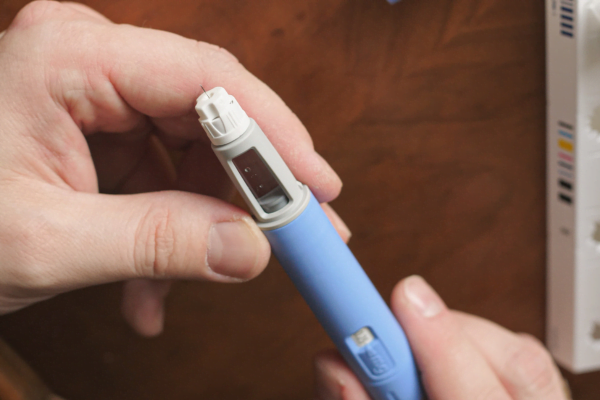
Can You Take Phentermine and Semaglutide Together? Clinical Guide
Key TakeawaysDifferent mechanisms: GLP-1 agonists reduce appetite; phentermine stimulates satiety.Combinations are off-label and require individualized clinical oversight.Risks include GI effects, elevated heart…
Read more →
Does Semaglutide Need Refrigeration? Safe Storage Basics
Usually, injectable semaglutide should be refrigerated before first use, while oral semaglutide tablets are kept at room temperature. After first use, some…
Read more →
Managing Nausea With Ozempic: Relief and Warning Signs
Managing nausea with Ozempic usually starts with smaller meals, slower eating, steady fluids, and careful symptom tracking. Nausea is a common GLP-1…
Read more →
Zepbound: Eligibility, Dosing, Safety, and Monitoring
Zepbound is a prescription tirzepatide injection approved for chronic weight management in certain adults, and for obstructive sleep apnea in adults with…
Read more →Weight management articles in this archive collect practical reading for patients, caregivers, and people comparing diabetes-related weight topics. Use the page to sort through nutrition, medication, GLP-1, insulin resistance, and safety explainers before opening a focused resource. Some links point to related product categories or condition pages when a topic connects with prescription medicines or diabetes care.
How These Weight Management Articles Are Organized
This archive is built for skimming first, then deeper reading. It includes lifestyle explainers, diabetes nutrition topics, medication comparisons, side effect discussions, and class-based resources for GLP-1 receptor agonists (medicines that act on an incretin hormone pathway). Related product categories and condition pages appear when a topic overlaps with diabetes treatment choices.
Because many entries intersect with diabetes, use them as reading paths rather than treatment instructions. A food article can help you understand carbohydrates or meal patterns. A medication comparison can help you prepare sharper questions about risks, alternatives, and labeled uses.
| Question type | Useful resource type | What to compare |
|---|---|---|
| Food or meal pattern | Nutrition articles | Carbs, fiber, diet fit, and glucose considerations |
| Medication or drug class | Comparison articles and product categories | Class, form, side effects, and prescribing discussion points |
| Condition context | Medical-condition pages and diabetes archives | Type of diabetes, related risks, and clinician questions |
Questions This Archive Can Help You Sort
Searches around body weight often mix careful medical questions with social media trends. Rapid-loss goals, such as losing a large amount of weight in one month, need clinician input because risks vary by age, medications, diabetes status, and other conditions. Popular routines like the 30 30 30 rule may be useful prompts for reading, but they do not replace individualized nutrition and activity planning.
If you are looking for a weight loss medication injection, weight management pills, supplements, or a weight management app, start by separating the question type. Medication articles should focus on drug class, labeled use, side effects, and prescribing conversations. Lifestyle articles should focus on food patterns, activity, sleep, and tracking. No food, supplement, or routine should be treated as a direct substitute for a prescribed GLP-1 medicine.
Medication Topics and Diabetes-Related Comparisons
Many linked posts cover diabetes medicines that people also associate with body-weight changes. That includes semaglutide, tirzepatide, dulaglutide, metformin, and other non-insulin options. Use Ozempic Alternatives, Mounjaro vs Ozempic, and Mounjaro Side Effects to compare article angles, not to choose a treatment on your own.
Medication-related reading works best when you check what each article is trying to answer. A comparison may discuss mechanisms and practical differences. A side effect article may help you recognize which symptoms deserve timely medical attention. A class explainer may define terms before you review a product category or a condition page.
Food, Tracking, and Healthy Weight Management
Nutrition and activity resources support the non-prescription side of the archive. They may discuss carbohydrate choices, plant-forward meals, keto-style eating, fiber, green tea, or common claims about natural approaches. No single list of weight management foods fits every person, especially when diabetes medications or kidney concerns are part of the picture.
Use these resources to clarify terms before a clinical visit or nutrition appointment. Track what you read, note what seems relevant, and bring questions about glucose trends, appetite, gastrointestinal symptoms, and realistic activity plans. Healthy weight management usually depends on patterns you can sustain, not one isolated rule.
Safety and Access Notes for Prescription Content
Prescription-related articles need extra care. CanadianInsulin.com functions as a prescription referral platform, and prescriber details may be confirmed when a medicine requires them. Articles can explain drug classes, safety considerations, or common discussion points, but they cannot determine whether a medicine is appropriate for your weight goals.
Before discussing a medicine, gather your current medication list, allergies, diabetes history, kidney or liver concerns, pregnancy plans, and past side effects. That information helps a clinician interpret whether an article about GLP-1, SGLT2, DPP-4, insulin, or metformin topics applies to you.
Quick tip: Save the article title and your main question before an appointment.
Related Paths When Your Question Changes
Weight questions often lead into diabetes care, heart risk, kidney health, and cholesterol topics. The Type 2 Diabetes Browse Page can help connect weight-related reading with condition-based product and resource lists. The Insulin Resistance Treatment article is useful when your question starts with glucose, appetite, or metabolic risk.
When a question becomes product-focused, move from articles to a product category only after you understand the class. The GLP-1 Agonists Product List groups related options for browsing, while the GLP-1 Explainer gives plain-language background. If your question stays food-focused, Carbs and Diabetes and Ketogenic Diet and Diabetes offer different starting points.
Keep the Archive Practical
Use this collection as a map for your next reading step. Choose one topic, compare the relevant resource type, and write down what remains unclear. Then bring clinical questions to a qualified professional who knows your history.
This content is for informational purposes only and is not a substitute for professional medical advice.
This content is for informational purposes only and is not a substitute for professional medical advice.
Frequently asked questions
About reading the Weight Management archive.
Where should I start in this Weight Management category?
Start with the question you need to clarify. If it is about food, use nutrition and diabetes diet articles first. If it is about a medicine, begin with a class explainer or comparison article. If it is about a diagnosis, open a related medical-condition page so you can see products and resources grouped by condition context.
Are the resources about diet, medications, or both?
The archive includes both. Some articles discuss food patterns, carbohydrates, fiber, and lifestyle routines. Others cover diabetes medications, GLP-1 drugs, metformin, side effects, and treatment comparisons. Use the article type to guide expectations. Diet resources can support background knowledge, while medication resources should help you prepare questions for a licensed clinician.
Can these articles help me discuss weight loss medication with a clinician?
Yes, they can help you organize a conversation, but they cannot decide treatment for you. Useful questions may include why a medicine is being considered, which condition it is meant to address, what side effects need attention, and how it fits with your current medications. Bring your medication list and relevant health history to the appointment.
Do related product categories mean a medicine is right for weight goals?
No. A related product category only means the topic connects with diabetes, metabolic health, or prescription medication browsing. It does not mean a product is appropriate for weight goals or safe for your situation. A clinician should review diagnosis, medical history, current medicines, and labeled use before any prescription decision.
Browse by medical condition
Products and reading lists grouped by condition, from A to Z.
All medical conditions →Looking for a medication?
Prices in USD, shown before you pay. Prescription required.
Shop all medications →The contents of CanadianInsulin.com are for informational purposes only and should not be considered medical advice. We do not guarantee the accuracy of the content on CanadianInsulin.com, nor do we assume any responsibility for any actions taken using the information found on our website. Always consult with your family physician or a qualified health care provider about any health or medical concerns.