

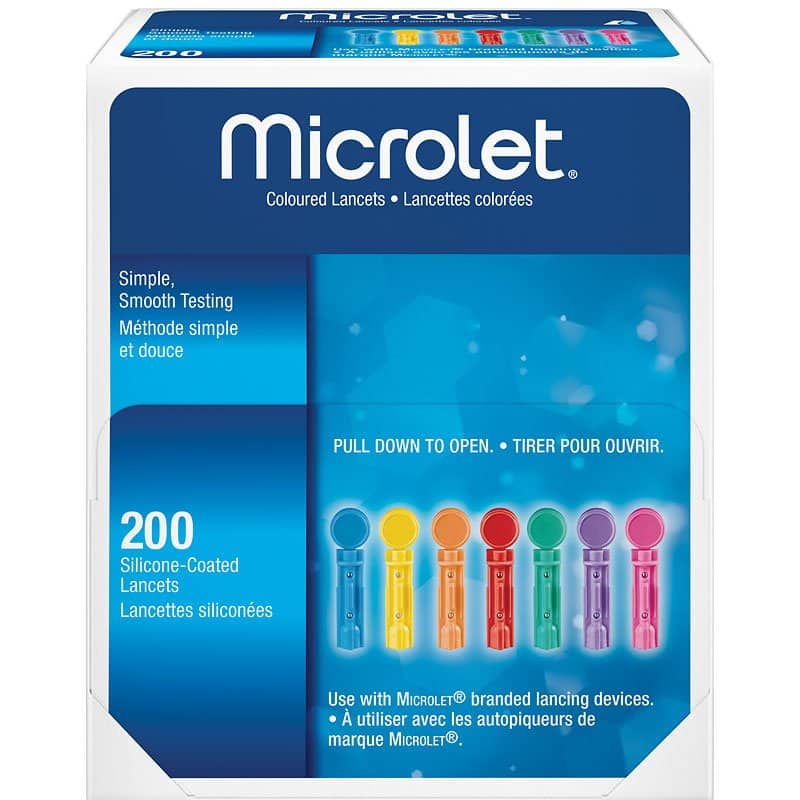
Buy Bayer Contour Microlet Lancets Online
 Fast, secure shipping
Health tools
Research and education tools. They do not replace clinical advice, diagnosis, or treatment.
Blood Glucose Unit Converter
Convert glucose readings between mg/dL and mmol/L without changing the clinical value.
These calculations are for education only and do not replace clinical advice, diagnosis, or treatment. Always confirm medical decisions with a qualified healthcare professional.
HbA1c & eAG Calculator
Convert between HbA1c percentage and estimated average glucose using the ADAG relationship.
These calculations are for education only and do not replace clinical advice, diagnosis, or treatment. Always confirm medical decisions with a qualified healthcare professional.
Carb Serving Calculator
Convert total carbohydrate grams into carb choices for meal planning and diabetes education.
These calculations are for education only and do not replace clinical advice, diagnosis, or treatment. Always confirm medical decisions with a qualified healthcare professional.
CGM Time-in-Range Summary
Summarise CGM percentages across very low, low, in-range, high, and very high glucose bands.
These calculations are for education only and do not replace clinical advice, diagnosis, or treatment. Always confirm medical decisions with a qualified healthcare professional.
About Bayer Contour Microlet Lancets
Bayer Contour Microlet Lancets are sterile, silicone coated lancets for compatible MICROLET lancing devices used in blood glucose testing. They can be bought online for diabetes care routines that use Microlet-compatible fingerstick supplies. Choose the gauge and quantity shown during ordering, then match those details to your current lancing device instructions.
Microlet Lancets help obtain a small capillary blood sample, usually from a fingertip, for use with a glucose meter and test strip. They are commonly used alongside CONTOUR and CONTOUR NEXT meter systems when the separate lancing device is MICROLET compatible. The lancet fit depends on the lancing device, not on the glucose meter screen or test strip port.
Before checkout, match the box wording, product image, gauge, and count to the supplies already used in your diabetes routine. If you are replacing older Bayer Contour Ascensia Microlet Lancets, focus on device fit and package details rather than older naming alone.
Bayer Contour Microlet Lancets Price and Pack Selection
The Bayer Contour Microlet Lancets price should be considered together with quantity, gauge, and what is included in the package. A lower total cost may not represent better value if the box contains fewer sterile lancets or belongs to a different lancet family. Microlet Lancets 100 count and Microlet Lancets 200 count searches often reflect the same practical question: how many compatible lancets are included for the price shown.
When comparing Microlet Lancets cost without insurance or cash pay Microlet Lancets, use the actual lancet count as the main value reference. Also confirm whether the package is lancets only or part of a larger diabetes testing kit. If one item uses Microlet Lancets 28 gauge wording and another shows different device or gauge language, treat them as separate choices until the package and device instructions match.
Quick tip: Compare count, gauge, and lancing device fit before comparing totals.
| Detail to match | Why it matters |
|---|---|
| Pack count | Microlet Lancets 100 count and 200 count packages may be priced differently. |
| Gauge | Bayer Microlet Lancets 28G refers to lancet needle size. |
| Device family | The lancet must fit the MICROLET lancing device. |
| Included items | Some packages contain only lancets, while kits may include other supplies. |
| Sterile packaging | Unopened packaging protects the lancet before first use. |
Price comparisons are most useful when the same product presentation is being compared. If color, box design, or marketplace wording differs, use the package name and lancing device instructions as the safer reference points. For broader supply planning, the Diabetes Supplies category can help you keep testing items aligned.
How to Order Microlet Lancets Online
To order Microlet Lancets online, choose the package that matches your MICROLET lancing device and usual testing supply routine. Review the gauge, quantity, packaging image, and device compatibility before completing checkout. For customers arranging US delivery from Canada, review the handling and delivery information shown with the order so your full diabetes supply purchase is planned together.
Do not substitute another lancet style only because it looks similar. Small differences in shaft shape, cap design, or device loading can affect whether a lancet sits correctly in the device. A lancet that does not load, release, or eject properly may interrupt testing and can create avoidable handling risk.
- Match the lancet to the lancing device name.
- Use gauge and count to compare packages.
- Keep unopened lancets capped until use.
- Plan other diabetes supplies at the same time when needed.
If you are replacing the device as well as the lancets, browse Lancing Devices before changing your lancet type. A compatible device is more important than the meter brand printed on the kit.
Compatibility with CONTOUR and MICROLET Devices
Microlet Lancets compatibility starts with the lancing device. These lancets are designed for compatible MICROLET lancing devices, which may be supplied with or used alongside CONTOUR and CONTOUR NEXT meter systems. The meter measures glucose from the blood placed on a test strip; the lancing device holds the lancet and creates the puncture.
This distinction matters for searches such as Microlet Lancets for Contour, Contour Next Microlet Lancets, and diabetes lancets for Contour. The lancet does not insert into the meter itself. It must fit the separate spring-loaded device used to obtain the blood sample. If your kit includes a different lancing device brand, use that device manual before choosing Bayer Microlet Lancets.
| If you use | What to confirm |
|---|---|
| CONTOUR meter system | Confirm the current lancing device is MICROLET compatible. |
| CONTOUR NEXT meter system | Check whether your kit uses MICROLET, MICROLET NEXT, or another compatible device. |
| Older CONTOUR supplies | Compare the package wording and device name, not only the meter name. |
| A different lancing device | Review that device instructions before selecting Bayer Contour Lancets. |
A device match also affects comfort and ease of use. The device controls depth setting, cocking, release, and ejection. The lancet provides the sterile needle point, but it cannot compensate for an incompatible holder or an incorrect depth setting.
Gauge, Coating, and Product Features
Bayer Microlet Lancets are often described as 28 gauge sterile blood glucose lancets. Gauge is a needle sizing system; in general, a higher gauge number indicates a thinner needle. A 28 gauge lancet is commonly used for fingerstick blood sampling, although comfort also depends on skin condition, depth setting, site rotation, and individual sensitivity.
The silicone coating is intended to help the lancet enter the skin smoothly. It does not make a used lancet safe for reuse. After one puncture, the tip can become dull or contaminated even when it appears clean. Single use lancets are designed to be used once and then placed in an appropriate sharps container.
Many Microlet lancets are multi-colored. Color can help with handling and recognition, but it usually does not indicate a different dose, testing schedule, or meter setting. Always use gauge, packaging, and lancing device compatibility as the meaningful selection details.
- Sterile packaging protects unused lancets.
- Silicone coating supports smoother skin entry.
- Single use design reduces contamination risk.
- Color does not replace compatibility checks.
- Device fit should be confirmed first.
For more practical selection points, the article category for Diabetes includes broader education on diabetes routines and supply decisions.
Use in Blood Glucose Testing
Microlet Lancets are used to obtain a small capillary blood sample for blood glucose testing. A complete fingerstick routine also requires a compatible lancing device, glucose meter, and test strips. The lancet creates the puncture; it does not measure glucose, store readings, or determine whether a result is high or low.
Testing frequency depends on the person’s diabetes treatment plan, medications, symptoms, and risk of hypoglycemia or hyperglycemia. People using insulin, medicines that can cause low blood sugar, or changing meal and activity patterns may receive more specific monitoring instructions from a clinician. The supplies should support that plan rather than change it.
Blood glucose monitoring may be part of care for Type 1 Diabetes, Type 2 Diabetes, or other clinician-directed diabetes management plans. If readings are unexpectedly high, low, or inconsistent with symptoms, follow your care team’s instructions for repeat testing, treatment decisions, and when to seek urgent help.
Keep meter, strip, control solution, lancet, and lancing device instructions together if more than one person in the household uses diabetes supplies. Similar-looking meters and lancets can be mixed up easily. Labelling personal supplies may reduce accidental sharing and mismatched components.
Safety Before and During Use
Use a new sterile lancet each time you test. Reusing a lancet can make punctures more uncomfortable because the tip may dull after one use. It can also increase contamination risk because the lancet has contacted blood and broken skin.
Never share lancets or lancing devices, even with family members. Bloodborne infections can spread through shared fingerstick equipment. If more than one person in a home checks glucose, each person should have separate lancets and a separate lancing device.
Wash and dry hands before testing unless your clinician has given different instructions for a specific situation. Moisture, food residue, lotion, or sugar on the fingers can affect handling and may interfere with the testing process. Use the lancing depth recommended for your device and rotate puncture sites when instructed.
Inspect the protective cap before use. Do not use a lancet if the cap is missing, damaged, loose, or appears previously removed. Contact a healthcare professional if a puncture site develops spreading redness, warmth, swelling, drainage, increasing pain, unusual bleeding, or delayed healing.
People who take blood thinners, have reduced hand sensation, poor circulation, frequent infections, or slow wound healing should ask a clinician how to manage fingerstick testing safely. The same applies if testing causes repeated bruising, calluses, or skin breakdown.
- Use once, then discard safely.
- Never share lancets or lancing devices.
- Wash and dry hands before testing.
- Rotate sites if advised.
- Avoid damaged or opened lancets.
- Seek care for infection signs.
Why it matters: A lancet is small, but it still contacts blood and broken skin.
Storage, Handling, and Disposal
Store unused lancets in their original packaging until needed. Keep them dry, capped, and away from young children, pets, and anyone who might handle them accidentally. Lancets do not require refrigeration, but they should be protected from moisture, crushing, and loose storage in bags or drawers.
Used lancets should go into an appropriate sharps container or another puncture-resistant container accepted by local rules. Do not place loose lancets directly into household trash where they may injure someone handling the bag. When travelling, bring enough sealed lancets and a safe container for used sharps.
If the same order contains meters, sensors, test strips, insulin, or other diabetes products, review handling instructions for each item separately. Some supplies may have temperature or moisture limits that differ from lancets. The general shipping phrase prompt, express, cold-chain shipping may apply differently across mixed diabetes orders, so use the product-specific handling notes shown at checkout.
The broader Diabetes category can help when coordinating lancets with other diabetes care items. Keeping related supplies organized reduces the chance of running out of one component while another remains available at home.
Related Diabetes Supply Decisions
Lancets, lancing devices, meters, and test strips work together but are not interchangeable. Bayer Contour Microlet Lancets support the fingerstick step through a compatible MICROLET device. A glucose meter requires compatible test strips to generate a reading, while the lancet only helps obtain the blood sample.
If you are replacing multiple items, choose each component by its own compatibility rules. Meter names, strip names, and lancing device names may overlap across diabetes kits, but they serve different functions. A CONTOUR family meter does not automatically mean every CONTOUR-branded accessory fits every device in the kit.
Alternative lancet systems may fit different lancing devices. Accu-Chek, OneTouch, and other lancet families may look similar in photos, but they can load or eject differently. If your lancing device has changed, choose lancets by the device name rather than the meter brand alone.
Condition-specific education may also help you organize testing routines. The Diabetes medical condition section covers general diabetes context, while Type 1 Diabetes articles and Type 2 Diabetes articles can support broader learning about monitoring and daily care discussions.
Authoritative Sources
Official manufacturer information describes MICROLET lancets as silicone-coated, single-use lancets for compatible lancing devices: Ascensia MICROLET Lancets.
The FDA provides household sharps disposal guidance for used lancets and similar sharps: FDA Sharps Disposal Containers.
This content is for informational purposes only and is not a substitute for professional medical advice.
This content is for informational purposes only and is not a substitute for professional medical advice.
Two ways to ship
Cold-packed medications travel by Express shipping. Dry-packed medications can ship Express or Standard.
Earn points on every order
Earn points on birthdays, product orders, reviews, friend referrals, and more! Enjoy your medication at unparalleled discounts while reaping rewards for every step you take with us.
Register and/or Login
Create an account and start earning.
Earn Rewards
Earn points every time you shop or perform certain actions.
Redeem
Redeem points for exclusive discounts.
Ways to save
We stand behind our prices
We work hard to offer the very best available price. If you find a lower price on the same product, we will match it.
Learn how →Tiered pricingNew tiered pricing is here
Buy more and save more on the medications you trust: save 7% per pack when you buy 2, and 14% per pack when you buy 3 or more.
See tiered pricing →You might also like
View all →
Related articles
View all →
Continuous Glucose Monitoring: How CGMs Fit Diabetes Care
Continuous glucose monitoring is a way to track glucose throughout the day and night with a small wearable sensor. It matters because…
Read more →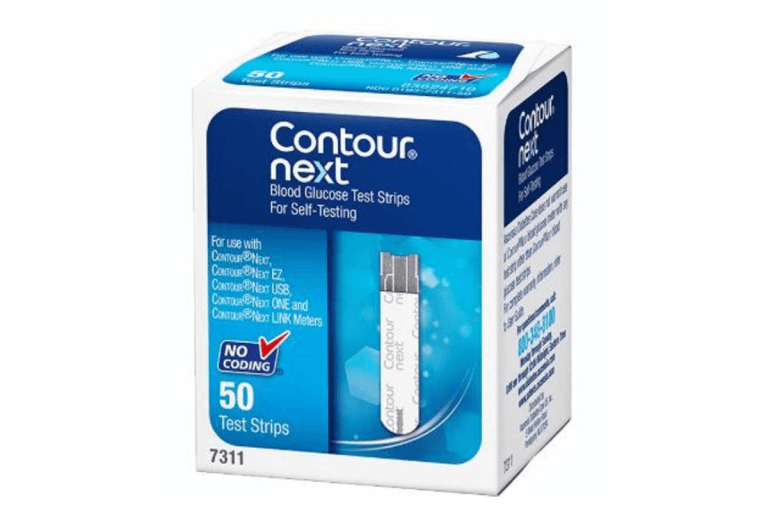
Contour Next Test Strips: Compatibility And Home Testing Checks
Contour Next Test Strips are single-use blood glucose strips made for compatible Contour Next meters. The key safety step is simple: match…
Read more →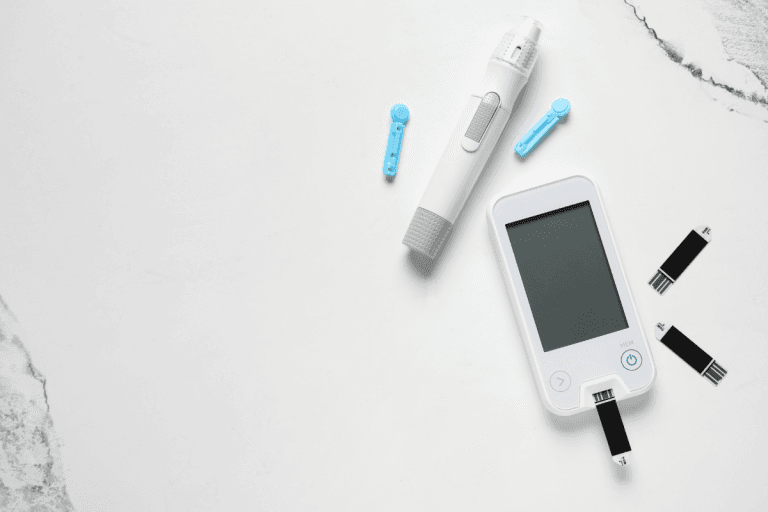
Lancets for Blood Sugar Testing: Safe Selection and Use
Lancets are small sterile needles used to prick the skin for a drop of capillary blood, most often during a fingerstick blood…
Read more →
Benefits of Dapagliflozin in Heart, Kidney, and Glucose Care
Dapagliflozin can help lower blood sugar, reduce heart failure events, and slow kidney decline in selected adults. The benefits of Dapagliflozin are…
Read more →Speak to us
Our customer service team are highly experienced and friendly. Get in touch today.
Are Bayer Contour Microlet Lancets used with the meter or the lancing device?
They are used with a compatible MICROLET lancing device, not inserted into the glucose meter. The meter reads the blood sample on a test strip, while the lancing device holds and releases the lancet.
What does 28 gauge mean for Microlet Lancets?
Gauge describes needle size. Bayer Microlet Lancets are often described as 28 gauge lancets, which is a common size for fingerstick blood sampling. Comfort also depends on lancing depth, site rotation, and skin condition.
Can Microlet Lancets be reused?
Microlet Lancets are intended for single use. Reusing a lancet may make punctures more uncomfortable and can increase contamination risk after the lancet has touched blood and broken skin.
Do Microlet Lancets fit CONTOUR NEXT systems?
They may be used with CONTOUR NEXT routines when the separate lancing device is MICROLET compatible. Confirm the lancing device name and instructions rather than relying only on the meter name.
How should used Microlet Lancets be thrown away?
Place used lancets in an appropriate sharps container or another puncture-resistant container accepted by local disposal rules. Do not put loose lancets directly into household trash.
Speak to our team
 Call toll free1-844-560-7790
 Emailservice@canadianinsulin.com
Monday to Friday 7am – 11pm EST
Saturday 7am to 7pm EST
Sunday 8am – 5pm EST