

Tourette Syndrome Medications and Resources
Browse Tourette Syndrome medications, related mental health products, and condition resources to compare options and prepare clinician questions.
Prices in USD, the lowest price for each product; your dose and quantity set the final price. Struck prices are the US and Canadian comparison prices shown on each product page.
Tourette Syndrome: products, conditions and resources
This medical-condition collection brings together products and resources related to tic management, coexisting symptoms, and treatment discussions. Patients, caregivers, and shoppers can use it to compare Tourette Syndrome medication options, review related mental health categories, and choose the most relevant item page or article to open next. It is not a diagnostic tool, but it can help organize questions before a clinical visit.
Tourette’s is a neurodevelopmental tic disorder involving repeated motor tics and vocal tics. Some people also manage attention issues, anxiety, obsessive-compulsive symptoms, sleep disruption, or school and work stress. This page focuses on browsing choices, not deciding which treatment is right for an individual.
What This Tourette Syndrome Collection Includes
The listings may include medicines used when tics or related behaviors cause meaningful distress or impairment. Atypical antipsychotics are one commonly discussed class for tic reduction. Alpha-2 adrenergic agonists may also appear in care plans, especially when attention symptoms are part of the picture. Product pages can differ by brand, generic name, dosage form, strength, and monitoring considerations.
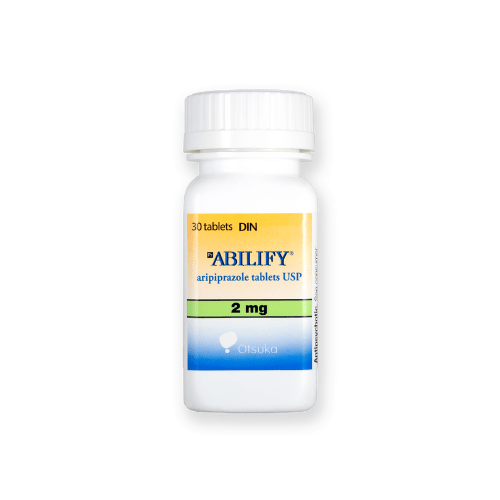
A representative product page is Abilify, which contains aripiprazole product details for comparison. Related mental health medicines may also appear when clinicians address overlapping symptoms. For example, shoppers may compare Fluvoxamine, Luvox, or Fluoxetine when obsessive-compulsive or anxiety features are being discussed with a prescriber. These links are starting points for product review, not treatment recommendations.
Quick tip: Keep the prescriber’s exact product name and strength nearby when comparing pages.
How to Compare Tourette Syndrome Medication Options
Start with the type of symptom being discussed. Motor tics involve movements, such as blinking, shrugging, or head jerking. Vocal tics involve sounds or words, such as throat clearing, humming, repeating phrases, or sudden speech. A clinician may also ask how often tics occur, whether they interfere with daily tasks, and whether other symptoms need attention.
When comparing product pages, look for practical details that affect daily use:
- Medication class, such as antipsychotic or antidepressant.
- Form, including tablets, capsules, liquids, or other formats when listed.
- Strength choices and whether the product page matches the prescription.
- Storage and handling notes, especially for liquids or special packaging.
- Warnings about sedation, movement effects, mood changes, or interactions.
CanadianInsulin.com works as a prescription referral platform. Where required, prescription details may be confirmed with the prescriber before a pharmacy dispenses the medication. This matters because Tourette syndrome treatment often requires careful follow-up, gradual changes, and monitoring for side effects.
Condition Context for Tics and Related Symptoms
People often compare tic disorder vs tourette’s because the terms sound similar. Tourette syndrome diagnosis usually involves multiple motor tics and at least one vocal tic over a sustained period, with timing and age of onset considered by a clinician. Other tic disorders can involve different patterns or shorter durations. A healthcare professional should make that distinction after reviewing history and impairment.
Common tourette syndrome symptoms can include eye blinking, facial movements, shoulder movements, throat clearing, sniffing, grunting, or repeated words. Some people describe a tic as a building urge that eases after the movement or sound occurs. Others feel little warning. Stress, fatigue, excitement, or focused attention can affect tic patterns, but triggers vary widely.
Questions about coprolalia tourette’s are common. Coprolalia means involuntary obscene or socially inappropriate words, but it affects only a minority of people with Tourette’s. Coprolalia treatment usually focuses on overall tic management and behavioral strategies, not on one word or phrase alone. Questions such as coprolalia why swear words or coprolalia examples should be handled with sensitivity, especially for children and teens.
Official public health information from the CDC Tourette syndrome overview explains core features and diagnosis basics. The NINDS Tourette Syndrome page also summarizes tics, treatment approaches, and research directions.
Related Mental Health and Neurology Browsing Paths
Tic management can overlap with other condition pages, especially when symptoms affect mood, sleep, attention, or behavior. The Mental Health product category is a broader place to compare related medication listings. For condition-aligned browsing, Anxiety may be relevant when worry or panic symptoms are part of the treatment discussion.
Some shoppers also review pages connected with antipsychotic use or neurologic care. Autism-Related Irritability, Bipolar Disorder, and Schizophrenia can help compare how similar medication classes appear across different conditions. For broader reading, the Neurology article archive collects educational content related to nervous system topics.
Use these related pages to understand how items are grouped. Do not assume a medicine listed for one condition is appropriate for another. Product choice depends on diagnosis, symptom severity, age, medical history, and other medicines.
Self-Care, Behavioral Support, and Follow-Up Questions
Tourette syndrome self-care often includes sleep routines, predictable schedules, stress reduction, and supportive school or workplace planning. Behavioral therapy, such as Comprehensive Behavioral Intervention for Tics, may teach competing responses and awareness skills. These approaches can complement medication when available, but they should be planned with qualified professionals.
Families often ask, can tourette’s go away? Tics can change over time, and many people notice improvement in late adolescence or adulthood. Others continue to have symptoms that need support. Questions about new treatment for tourette’s should be discussed with a clinician, because research findings do not always translate into suitable options for every patient.
Useful questions to bring to an appointment include:
- Which symptoms are the main treatment target right now?
- Could another condition be worsening the tic pattern?
- What side effects should be tracked after starting or changing therapy?
- How should school, work, or caregiver observations be documented?
- When should urgent concerns be reported?
Why it matters: Clear symptom notes help clinicians judge whether a plan is helping.
Using This Page Safely
This category is best used as a navigation aid. Open product pages to compare names, forms, and safety notes. Open related condition pages when symptoms overlap. Use article archives for background reading on neurologic or mental health topics. Dispensing and fulfilment, where permitted, are handled by licensed third-party pharmacies, so prescription requirements and eligibility details may vary by situation.
Some patients explore cash-pay options when insurance coverage is limited. Access details should still be checked against the prescription, pharmacy process, and local rules. If symptoms change quickly, side effects appear, or tics cause injury or major distress, contact a healthcare professional instead of relying on browsing information.
This content is for informational purposes only and is not a substitute for professional medical advice.
Related conditions
All medical conditions →Frequently asked questions
About browsing Tourette Syndrome resources on this page.
How should I use this Tourette Syndrome category?
Use this page to narrow product and resource choices before opening individual listings. Compare medication names, forms, strengths, and safety notes, then record questions for the prescribing clinician. Related condition pages can help when anxiety, irritability, mood symptoms, or other concerns are part of the care discussion. This category does not diagnose Tourette’s or recommend a specific medicine.
What should I compare on medication product pages?
Check the generic name, brand name, dosage form, strength, storage notes, and warnings. Also look for interaction or monitoring information that may matter if other medicines are being used. Tourette syndrome medication plans often involve follow-up and careful adjustment, so the product page should match the prescription details exactly before any access steps continue.
Can this page explain the difference between tics and Tourette's?
It can give basic orientation, but a clinician should confirm the diagnosis. Tics are repeated movements or sounds. Tourette’s usually involves multiple motor tics and at least one vocal tic over time, with other criteria considered. If you are unsure whether symptoms fit Tourette’s, another tic disorder, or a different condition, bring a timeline and examples to a qualified professional.
Are behavioral supports part of Tourette syndrome treatment?
Behavioral supports may be part of care, especially when trained providers are available. Some programs teach awareness of tic urges and competing responses. Sleep routines, stress planning, and school or workplace accommodations may also help some people function better. These supports do not replace medical evaluation, and they should be matched to the person’s age, goals, and symptom pattern.
Related articles
View all articles →
Continuous Glucose Monitoring: How CGMs Fit Diabetes Care
Continuous glucose monitoring is a way to track glucose throughout the day and night with a small wearable sensor. It matters because…
Read more →
Non Hormonal Contraception: Options, Risks, and Fit
Non hormonal contraception means birth control that prevents pregnancy without using estrogen or progestin. Common options include the copper IUD, condoms, diaphragms,…
Read more →
Treat A UTI Over The Counter: Relief Options and Red Flags
If you want to treat a uti over the counter, the important truth is this: nonprescription products may ease burning, urgency, and…
Read more →
Liraglutide Vs Semaglutide Comparison Guide For Patients
Key Takeaways People searching liraglutide vs semaglutide usually want a practical comparison, not a slogan. The most useful differences involve formulation, schedule,…
Read more →The contents of CanadianInsulin.com are for informational purposes only and should not be considered medical advice. We do not guarantee the accuracy of the content on CanadianInsulin.com, nor do we assume any responsibility for any actions taken using the information found on our website. Always consult with your family physician or a qualified health care provider about any health or medical concerns.