

Systemic Fungal Infection Medications and Resources
Browse Systemic Fungal Infection options for patients and caregivers, including antifungal medications, related conditions, and diabetes-focused resources.
Prices in USD, the lowest price for each product; your dose and quantity set the final price. Struck prices are the US and Canadian comparison prices shown on each product page.
Systemic Fungal Infection: products, conditions and resources
Browse therapies and learning resources connected with Systemic Fungal Infection in one organized collection. This page helps patients, caregivers, and shoppers compare antifungal product pages, related fungal conditions, and practical diabetes-focused articles. Use it to narrow by infection type, medication format, and the safety questions to confirm with a clinician.
Systemic fungal infections can involve the bloodstream, lungs, brain, esophagus, or other internal organs. They differ from surface infections such as athlete’s foot or mild vaginal yeast overgrowth. Because deeper infections can become serious, product browsing should support—not replace—medical assessment, lab testing, and prescription guidance.
What This Systemic Fungal Infection Collection Includes
This condition-aligned category brings together systemic antifungal medications, selected topical supports, and related education. Product pages may include oral antifungal medication options, tablets for specific fungal infections, and topical items used when skin or scalp symptoms overlap with broader care plans.
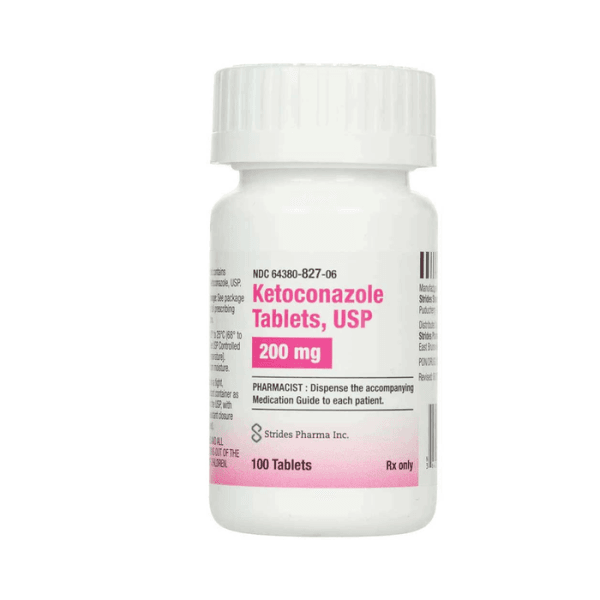
The product list includes representative antifungal pages such as Fluconazole, Ketoconazole, Terbinafine, Lamisil, and Ketoderm. These pages help you review forms, product names, and category placement. They do not determine whether a medicine fits a specific diagnosis.
Systemic fungal infections examples may include invasive candidiasis, cryptococcal disease, and some mold infections. This page also connects to related condition browse pages, including Cryptococcal Meningitis, Esophageal Candidiasis, and Oral Thrush. Those pages can help separate deep infection concerns from mouth, throat, or localized yeast conditions.
How to Compare Antifungal Medication Pages
Start with the infection site and the organism, when known. A systemic fungal infection diagnosis often depends on cultures, imaging, antigen tests, or tissue sampling. Symptoms alone cannot reliably identify yeast versus mold, or surface infection versus invasive disease.
When comparing systemic fungal infection drugs, look at the medication class, route, and monitoring notes. Azole antifungals may appear as tablets, capsules, or suspensions. Some hospital regimens use intravenous antifungal therapy, which is handled in clinical settings. A fungal infection injection list can vary by facility, organism, and local protocols.
| Browsing factor | Why it matters |
|---|---|
| Route | Oral products and infusion therapies serve different care settings. |
| Likely organism | Yeast and mold infections may require different drug classes. |
| Body site | Bloodstream, lung, brain, skin, and esophageal infections need different evaluation. |
| Monitoring | Some medicines may require liver tests, kidney review, or interaction checks. |
| Medication history | Prior antifungal exposure can affect clinician selection and susceptibility review. |
Quick tip: Keep recent culture results and current medication lists available when reviewing options.
Symptoms and Diagnosis Clues to Discuss
Systemic fungal infection symptoms can be vague at first. Fever, chills, fatigue, cough, shortness of breath, confusion, or worsening illness may occur with serious infections. Invasive candidiasis symptoms may include persistent fever despite antibiotics, while candida in blood symptoms can overlap with bacterial bloodstream infections.
Fungal sepsis symptoms and deadly fungal infection symptoms require urgent clinical evaluation. Red flags may include low blood pressure, rapid breathing, confusion, or signs of organ dysfunction. This page is meant for browsing and orientation, not for triage or self-diagnosis.
Localized problems can still matter. A systemic fungal infection skin concern may appear alongside rash, wounds, nail disease, or scalp scaling. For condition-specific browsing, Fungal Skin Infection separates surface-focused items from deeper infection topics. If yeast symptoms are the main concern, Yeast Infection provides a more targeted starting point.
Safety Notes Before Choosing a Next Page
Systemic antifungal side effects differ by class and patient factors. Some antifungals can affect liver enzymes, kidney function, heart rhythm, or medication levels. Interaction checks are especially important for anticoagulants, transplant medicines, seizure medicines, and some diabetes therapies.
A broad spectrum antifungal may sound attractive, but broader coverage is not always better. Clinicians often balance organism coverage, resistance risk, tissue penetration, allergies, pregnancy status, and lab results. The best antifungal tablet for one condition may be unsuitable for another.
CanadianInsulin.com works as a prescription referral platform. Where required, prescription details may be confirmed with the prescriber before a request can move forward. This process does not replace a clinician’s decision about systemic fungal infection treatment.
Why it matters: Antifungal choice can change when cultures identify yeast, mold, or resistance.
Related Diabetes and Fungal Infection Reading
Diabetes can increase the risk of some fungal infections, especially when blood glucose is difficult to manage. Practical articles can help you prepare questions about prevention, hygiene, and symptom patterns while you browse medication pages.
The article Diabetes and Fungal Infections focuses on skin-related signs and everyday management considerations. Diabetes Yeast Infections covers common yeast concerns in people with diabetes. For step-by-step symptom discussion, Managing Yeast Infections in Diabetes offers a focused reading path.
If immune function is part of your concern, Are Diabetics Immunocompromised explains why infection risk can vary. These resources support preparation for medical conversations. They should not be used to start, stop, or change antifungal therapy.
Using This Category as a Browsing Starting Point
Use this collection to compare systemic antifungal medications, related condition pages, and educational articles without treating the page as a diagnosis tool. Product names, forms, and condition links can help you organize questions before speaking with a healthcare professional.
For serious symptoms, rapid worsening, or suspected bloodstream infection, seek medical care promptly. For routine browsing, move from the condition most closely matching the diagnosis to the product or article that answers your next practical question.
This content is for informational purposes only and is not a substitute for professional medical advice.
Related conditions
All medical conditions →Related articles
View all articles →
Atopica Cats: Safety, Dosing, and Monitoring for Itchy Skin
Atopica cats treatment is a prescription cyclosporine oral solution used to help control feline allergic dermatitis, a skin allergy condition that can…
Read more →
Cephalexin for Dogs: Uses, Safety, and Dosing Questions
Cephalexin for dogs is a prescription antibiotic that veterinarians may use for selected bacterial infections, especially some skin, wound, urinary, and respiratory…
Read more →
Azithromycin for Dogs and Cats: Safety, Uses, and Limits
Azithromycin for dogs and cats can be reliable for selected bacterial infections, but it is not a universal antibiotic. Veterinarians usually reserve…
Read more →
Pet Antibiotics for Dogs and Cats: Safety and Key Decisions
Pet antibiotics for dogs and cats can help when a veterinarian confirms or strongly suspects a bacterial infection. They do not treat…
Read more →The contents of CanadianInsulin.com are for informational purposes only and should not be considered medical advice. We do not guarantee the accuracy of the content on CanadianInsulin.com, nor do we assume any responsibility for any actions taken using the information found on our website. Always consult with your family physician or a qualified health care provider about any health or medical concerns.