

Overweight Medications and Resources
Browse Overweight medications, BMI tools, condition links, and weight-management articles to compare options and prepare clinician questions.




Prices in USD, the lowest price for each product; your dose and quantity set the final price. Struck prices are the US and Canadian comparison prices shown on each product page.
Overweight: products, conditions and resources
Overweight describes excess body weight for height, often screened with body mass index and waist measurement. This condition-focused category helps patients and caregivers browse weight-management medications, BMI learning tools, and related health resources in one place. Use it to compare product types, understand common terminology, and decide which page or article fits your next question.
The collection is not a diagnosis tool. It is a practical starting point for reviewing options linked to weight management, obesity, type 2 diabetes risk, blood pressure, and cholesterol concerns. Some products may require a valid prescription, and prescription details may need confirmation with the prescriber where required.
Overweight Definition and BMI Basics
The overweight definition usually refers to an adult BMI of 25.0 to 29.9 kg/m². BMI means body mass index, a weight-to-height calculation used as a screening measure. A BMI of 30.0 kg/m² or higher is commonly classified as obesity, while lower categories include normal weight and underweight.
BMI can help sort risk at a population level, but it does not measure body fat directly. Muscle mass, age, sex, pregnancy, ethnicity, and fat distribution can affect interpretation. Waist circumference, blood pressure, blood sugar, cholesterol, medications, sleep, and family history also matter. If you want a clear primer before comparing therapies, start with Body Mass Index BMI Ranges or Understanding BMI.
Quick tip: Use a bmi calculator with your height and weight, then review the result with other health measures.
What This Condition Category Contains
This page connects condition-aligned product pages with educational resources. The product list includes injectable and oral weight-management options, while the article links explain BMI, medication classes, risks, and practical next steps. You can also move into related condition pages when weight, blood sugar, blood pressure, or lipids overlap.
Medication pages in this category may include GLP-1 receptor agonists, dual incretin options, appetite-related therapies, and gastrointestinal lipase inhibitors. These classes differ by route, dosing schedule, precautions, and monitoring needs. Product pages can help you check format and label details, but a clinician should determine whether any medicine is appropriate.
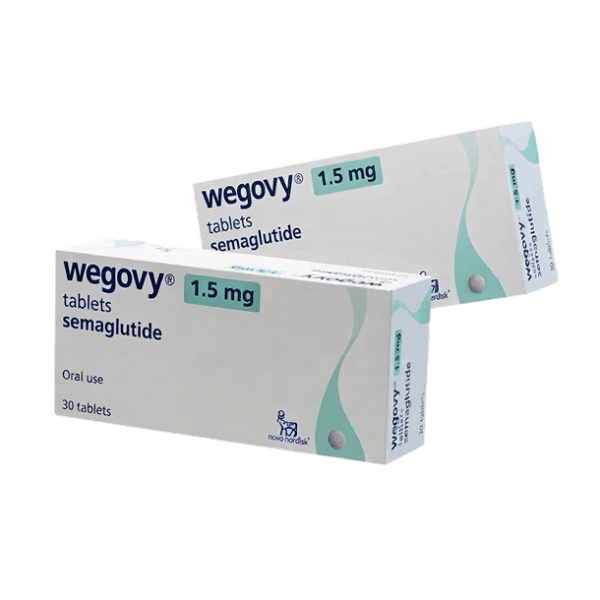
- Wegovy is a semaglutide product page for weight-management browsing.
- Zepbound covers tirzepatide details for comparison with other options.
- Saxenda 6 mg/mL is a liraglutide product page with pen-based information.
- Contrave 8 mg/90 mg lists an oral tablet option.
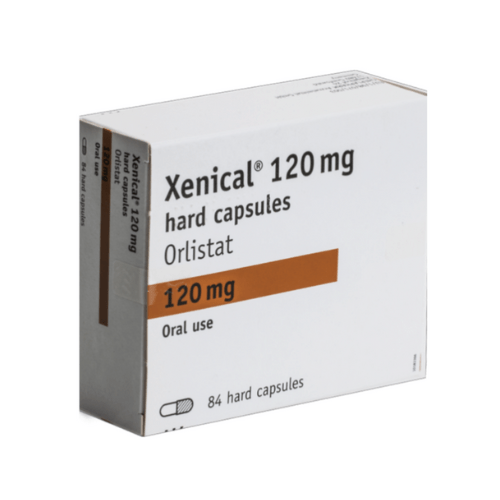
- Xenical 120 mg covers an orlistat capsule option.
How to Compare Weight-Management Options
Start with the basics: product class, route, schedule, prescription status, storage needs, and common adverse effects listed in official labeling. Weekly injections, daily injections, and oral tablets fit different routines. Some products also have specific contraindications, such as certain endocrine tumor histories for GLP-1 class medicines, or interaction concerns with other prescriptions.
When comparing pages, look for practical details rather than choosing by brand name alone. Check whether the page describes a prefilled pen, capsule, or tablet. Review whether dose escalation is part of the labeled schedule, because titration can affect tolerability. Also note pregnancy considerations, age indications, and whether monitoring is discussed.
| Browsing factor | Why it helps |
|---|---|
| Medication class | Shows whether products work through appetite, satiety, absorption, or combined pathways. |
| Route and schedule | Helps compare weekly injections, daily injections, capsules, and tablets. |
| Safety notes | Flags precautions to discuss before starting or changing therapy. |
| Related conditions | Connects weight management with blood sugar, blood pressure, and lipid risk. |
Why it matters: Small differences in format and precautions can change what questions you ask a clinician.
BMI Tools, Charts, and Interpretation
Many visitors arrive asking what is bmi, how to calculate bmi, or whether a bmi chart can show a healthy range. The common bmi formula is weight in kilograms divided by height in meters squared. Online tools can simplify the calculation, including a bmi calculator kg with age where age-based interpretation is relevant.
An ideal weight calculator or height weight chart female can provide rough reference points, but these tools have limits. They may not reflect body composition, disability, edema, athletic build, or menopause-related changes. If you are asking is bmi accurate, the best answer is that BMI is useful for screening, not for judging individual health by itself.
Search terms such as overweight scale, obese medical definition, bmi 40 female weight, obesity definition, and side effects of being overweight often point to different needs. Some users want classification. Others want risk information or treatment options. For medical coding terms, such as overweight icd, bmi 40 icd-10, class 2 obesity icd-10, class 3 obesity icd-10, morbid obesity icd-10, or obesity bmi 30-39.9 icd 10, confirm details with a qualified coding or clinical professional.
Related Conditions and Product Categories
Excess adiposity can overlap with insulin resistance, type 2 diabetes, hypertension, high cholesterol, high triglycerides, fatty liver disease, sleep apnea, and joint pain. This does not mean every person with a higher BMI has these conditions. It means related pages may help you browse connected risks and medication categories.
For condition navigation, compare Obesity, Type 2 Diabetes, Hypertension, and High Cholesterol. For product-class browsing, the Weight Management category and GLP-1 Agonists list group related medicines by use and mechanism.
CanadianInsulin.com functions as a prescription referral platform. Dispensing and fulfilment, where permitted, are handled by licensed third-party pharmacies, and some patients explore cash-pay or cross-border options depending on eligibility and jurisdiction.
Articles That Help You Prepare Questions
Educational articles can help you separate clinical terms from everyday weight-management decisions. The Weight Management Articles archive collects reading on BMI, medication classes, risks, and lifestyle context. For medicine-specific orientation, GLP-1 Drugs for Weight Loss explains options, risks, and discussion points.
If weight and glucose control are both concerns, Obesity and Type 2 Diabetes links the two conditions in plain language. If access questions matter, Weight-Loss Medications Online discusses practical considerations without replacing medical advice. Use these resources to prepare focused questions about risks, monitoring, and realistic goals.
Using This Page Safely
Use this Overweight collection as a browsing aid, not as a treatment plan. Compare product pages, then bring specific questions to a licensed clinician. Ask about personal risk factors, current prescriptions, pregnancy plans, gastrointestinal symptoms, gallbladder history, pancreatitis history, and any prior reaction to similar medicines.
Official public health sources also describe weight categories and risk patterns. The WHO obesity and overweight fact sheet summarizes global definitions and health impact. The NHLBI overweight and obesity resource explains how clinicians assess risk and complications.
For the best browsing experience, move from definition pages to condition pages, then product pages, then safety-focused articles. That order keeps the category useful without turning general information into self-directed medical care.
This content is for informational purposes only and is not a substitute for professional medical advice.
Related conditions
All medical conditions →Frequently asked questions
About browsing Overweight resources on this page.
What does overweight mean on this category page?
Overweight refers to a clinical weight category often screened with BMI, usually 25.0 to 29.9 kg/m² in adults. On this page, the term also organizes related medication pages, BMI explainers, and condition resources. It does not diagnose your health status. BMI, waist measurement, medical history, labs, and clinician assessment all help interpret risk more accurately.
How should I compare medications listed for weight management?
Compare medication class, route, schedule, prescription requirements, storage needs, precautions, and common side effects listed on each product page. Injectable and oral options can differ in routine and monitoring needs. Do not choose or change therapy based only on a product list. Use the pages to prepare questions for a clinician who knows your medical history.
Can a BMI calculator show whether I need treatment?
A bmi calculator can estimate a weight category, but it cannot decide whether treatment is needed. BMI does not directly measure body fat or account for all health factors. Waist size, blood pressure, blood sugar, cholesterol, sleep apnea symptoms, medications, and personal goals may change the discussion. A clinician can interpret the result in context.
Which related pages are useful if weight overlaps with other conditions?
If weight concerns overlap with blood sugar, blood pressure, or lipid levels, related condition pages may help you browse more clearly. Type 2 diabetes, hypertension, high cholesterol, and obesity pages organize connected products and resources. These pages are navigation aids. They should support, not replace, diagnosis and treatment planning with a qualified professional.
Related articles
View all articles →
Weight Loss and Calories Calculator: Safe Planning Basics
A weight loss and calories calculator estimates daily calories for maintenance and planned weight change by using your age, sex, height, weight,…
Read more →
Body Mass Index (BMI): Ranges, Uses, and Limits
Body mass index (BMI) is a screening measure that compares weight with height. It helps place most adults into broad weight categories,…
Read more →
How to Get Retatrutide Safely: Access and Legal Checks
If you are searching for how to get retatrutide, the short answer is that legal access depends on approval status where you…
Read more →
Does Metformin Cause Weight Loss? Expectations and Limits
Yes, metformin can cause modest weight loss in some people, but it is not primarily a weight-loss drug. If you are asking…
Read more →The contents of CanadianInsulin.com are for informational purposes only and should not be considered medical advice. We do not guarantee the accuracy of the content on CanadianInsulin.com, nor do we assume any responsibility for any actions taken using the information found on our website. Always consult with your family physician or a qualified health care provider about any health or medical concerns.