

Mechanical Heart Valve Medications and Resources
Browse Mechanical Heart Valve medications and resources for patients and caregivers, including anticoagulants, related conditions, and safety topics to discuss.
Prices in USD, the lowest price for each product; your dose and quantity set the final price. Struck prices are the US and Canadian comparison prices shown on each product page.
Mechanical Heart Valve: products, conditions and resources
People living with a Mechanical Heart Valve often need clear medication information, follow-up planning, and practical support for long-term care. This condition category brings together related products and educational pages so patients and caregivers can compare anticoagulants, related heart conditions, and reading paths before clinic visits.
Use this page as a browsing starting point, not as a treatment plan. Mechanical valves are prosthetic heart valves made from durable materials, and care usually focuses on reducing clot risk while watching for bleeding, rhythm changes, and valve-related symptoms.
What This Mechanical Heart Valve Category Includes
This collection focuses on medicines and resources commonly discussed around prosthetic valve care. You can review anticoagulant product pages, related cardiovascular condition pages, and educational articles that explain how blood thinners fit into clot prevention.
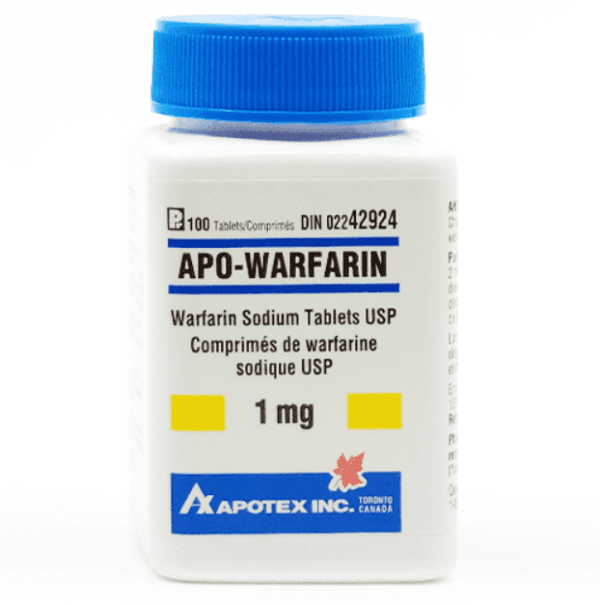
Warfarin is often central to mechanical valve care because clinicians can adjust it using INR testing. INR means international normalized ratio, a blood test that helps guide anticoagulant intensity. The Warfarin product page can help you compare product details, while Warfarin for Clot Prevention explains the medication class in patient-friendly terms.
Some related products appear because they are used in other clotting or heart rhythm situations. Lovenox Injections may be relevant to peri-procedural discussions in some patients, while Eliquis, Xarelto, and Pradaxa are direct oral anticoagulants used for other indications. They are not routine substitutes for warfarin in mechanical valves.
Why it matters: Product pages can look similar, but indications and monitoring needs can differ greatly.
How to Compare Mechanical Valve Types and Related Medicines
Searches for mechanical heart valve types often include questions about bileaflet, tilting-disc, and older caged-ball designs. These mechanical valve types can differ in clot risk, sound, and follow-up needs. Your surgical record usually names the valve model and location, such as aortic or mitral.
When browsing this category, separate device questions from medication questions. The device type may affect INR targets, but the medication page will not confirm your personal range. Your cardiology team sets that target using valve position, bleeding risk, past clotting history, and other diagnoses.
| Browsing question | Where to look | What to confirm |
|---|---|---|
| Which anticoagulant is being discussed? | Product pages for warfarin or related anticoagulants | Exact medication name, strength, and monitoring plan |
| Is the issue valve-related or rhythm-related? | Related condition pages | Whether atrial fibrillation, DVT, or valve care is the main reason |
| Do I need background reading? | Educational articles | Which points apply to your diagnosis and device |
People also compare mechanical valves advantages and disadvantages with tissue valve types. Mechanical valves may last longer than many tissue valves, but they usually require long-term anticoagulation. Tissue valves may avoid some anticoagulation needs, yet they can wear out over time. These tradeoffs belong in a surgeon or cardiology discussion.
Warfarin, INR Testing, and Safety Boundaries
A Mechanical Heart Valve requires careful anticoagulation planning because clots can form on prosthetic material. Warfarin remains the standard oral anticoagulant for many mechanical valves. Direct oral anticoagulants have important uses in other conditions, but they are generally not used as replacement therapy for mechanical valve anticoagulation.
Common browsing checks include tablet strength, scoring, packaging size, and whether a page describes monitoring. If your clinician changes a dose, confirm the new instructions before switching tablet strengths. Small differences in color or strength can cause confusion when weekly schedules change.
- Review the prescribed strength before comparing product pages.
- Ask your pharmacist about interactions with antibiotics, seizure medicines, supplements, and herbal products.
- Keep vitamin K intake consistent if your clinician has given warfarin diet guidance.
- Store tablets in a dry place unless the label says otherwise.
- Record INR values and bring them to appointments.
CanadianInsulin.com is a prescription referral platform, and prescription details may be confirmed with the prescriber when required. Dispensing and fulfilment are handled by licensed third-party pharmacies where permitted.
Quick tip: Keep a wallet card with your valve type, INR target, and current medicines.
Related Heart and Clotting Conditions
Mechanical valve care can overlap with other cardiovascular conditions. The Heart Disease category can help you browse broader cardiac resources, while Heart Rhythm Disorders covers rhythm-related browsing paths.
Atrial fibrillation often appears in anticoagulant discussions, but it is not the same as mechanical valve care. The Atrial Fibrillation category helps separate rhythm-related anticoagulation from prosthetic valve anticoagulation. For clot history or prevention topics, compare the Blood Clot DVT PE category with the Stroke category.
If you are comparing apixaban information, Primary Apixaban Uses explains common approved-use contexts. Apixaban Generic Availability focuses on access and formulation questions, not mechanical valve replacement therapy.
Symptoms and Follow-Up Topics to Discuss
People often search for mechanical heart valve sound, quietest mechanical heart valve, or why a valve seems louder at night. Some clicking can be expected with certain prosthetic valve types. A sudden change, such as a mechanical heart valve not clicking, deserves prompt clinical advice.
Also watch for symptoms of mechanical heart valve failure or signs of heart failure after valve replacement. These may include new shortness of breath, fainting, swelling, chest discomfort, or a major change in exercise tolerance. Bleeding, unusual bruising, severe headache, or black stools also need medical attention, especially when taking anticoagulants.
The phrase complications after heart valve replacement covers many possibilities. It may include arrhythmias, infection, clotting, bleeding, or prosthetic valve dysfunction. Use this category to organize questions, then match any information with your surgeon’s discharge plan and cardiology follow-up schedule.
Using This Collection Before Appointments
Before a visit, note your valve model, valve position, current medication list, and recent INR results. If you are comparing types of heart valve replacement, bring questions about mechanical valve vs tissue valve cost, durability, anticoagulation, and expected follow-up. Product pages can help you identify medicine names, but your care team should interpret them for your situation.
Patients sometimes search for a mechanical heart valve without warfarin because monitoring feels difficult. Do not stop or replace anticoagulation based on search results or product comparisons. Ask your clinician which options apply to your valve type and why.
Use the links on this page to move between product details, related conditions, and focused educational reading. That structure can make conversations about prosthetic valve types, anticoagulants, and long-term monitoring more organized.
This content is for informational purposes only and is not a substitute for professional medical advice.
Related conditions
All medical conditions →Frequently asked questions
About browsing Mechanical Heart Valve resources on this page.
How should I use this Mechanical Heart Valve category?
Use it to browse related anticoagulant products, condition pages, and educational articles before speaking with your clinician. It can help you identify medicine names, compare product formats, and prepare questions about INR testing, valve type, and follow-up. It does not replace discharge instructions, cardiology advice, or a personalized anticoagulation plan.
Are direct oral anticoagulants used for mechanical heart valves?
Direct oral anticoagulants such as apixaban, rivaroxaban, and dabigatran are used for several clotting and rhythm-related conditions. They are generally not used as substitutes for warfarin in mechanical heart valve anticoagulation. If one appears in this category, treat it as related cardiovascular information and confirm the correct indication with your care team.
What details help compare mechanical heart valve types?
Useful details include the valve position, model name, prosthetic valve type, and your clinician’s INR target. Bileaflet valves are common, while older designs may have different risk profiles. Sound, durability, and anticoagulation needs can vary. Your operative report and valve wallet card are often the best sources for exact device information.
What symptoms should prompt medical advice after valve replacement?
Seek medical advice for new shortness of breath, chest discomfort, fainting, swelling, fever, major bleeding, black stools, or a sudden change in valve clicking. These symptoms can have many causes, including rhythm changes, infection, bleeding, clotting, or prosthetic valve problems. Follow your surgical discharge plan for urgent warning signs.
Related articles
View all articles →
Warfarin: Safety, INR Monitoring, and Clot Prevention
Warfarin is a prescription anticoagulant used to prevent harmful blood clots from forming or growing. It can lower the risk of stroke,…
Read more →
What Is Apixaban Used For? Safety, Risks, and Key Uses
If you are asking what is apixaban used for, the short answer is this: apixaban is an anticoagulant (blood thinner) used to…
Read more →
Generic Apixaban Explained: Availability, Safety, and Options
Generic apixaban may be available, but access is not equally straightforward everywhere. Some patients can receive a lower-cost version of the same…
Read more →The contents of CanadianInsulin.com are for informational purposes only and should not be considered medical advice. We do not guarantee the accuracy of the content on CanadianInsulin.com, nor do we assume any responsibility for any actions taken using the information found on our website. Always consult with your family physician or a qualified health care provider about any health or medical concerns.