

Juvenile Idiopathic Arthritis Medications and Resources
Browse Juvenile Idiopathic Arthritis medications, injection formats, related conditions, and caregiver resources to discuss with a pediatric rheumatology team.
Prices in USD, the lowest price for each product; your dose and quantity set the final price. Struck prices are the US and Canadian comparison prices shown on each product page.
Juvenile Idiopathic Arthritis: products, conditions and resources
Juvenile Idiopathic Arthritis can affect children and teens in different ways, so browsing options often starts with the condition subtype, symptoms, and prescribed medication format. This collection helps caregivers compare condition-aligned products, injection devices, and educational reading before discussing next steps with a pediatric rheumatology team. Use it to move between medication pages, related arthritis categories, and practical resources about monitoring and daily routines.
JIA is an umbrella term for autoimmune joint inflammation that begins before age 16. It may involve one joint, several joints, or whole-body symptoms such as fever and rash. This page does not diagnose or recommend a treatment plan. It organizes relevant links so families can prepare better questions for clinicians.
What This Juvenile Idiopathic Arthritis Collection Includes
The product listings in this condition category focus on medicines commonly discussed in inflammatory arthritis care. Some are biologic therapies, including tumor necrosis factor inhibitors, while others are non-biologic options used in selected situations. Product pages can help you compare forms such as pre-filled syringes, auto-injectors, capsules, or tablets when those formats are available.
Families often arrive here after searching for juvenile idiopathic arthritis symptoms, juvenile arthritis symptoms, or what are the first signs of juvenile arthritis. Common early concerns include morning stiffness, swelling, limping, reduced joint movement, fatigue, or pain that changes activity levels. Eye inflammation can occur in some children, so clinicians may also discuss uveitis screening.
Why it matters: A browse page is most useful when it separates medication format, condition education, and clinician questions.
Medication Formats and Product Pages to Compare
Many children who use biologic medicines receive juvenile arthritis treatment injections. Injection products may differ by device, dose strength, storage instructions, and handling steps. A pre-filled syringe can allow more control over injection speed. An auto-injector may reduce needle visibility for some families. The best fit depends on the prescription, training, and the child’s comfort level.
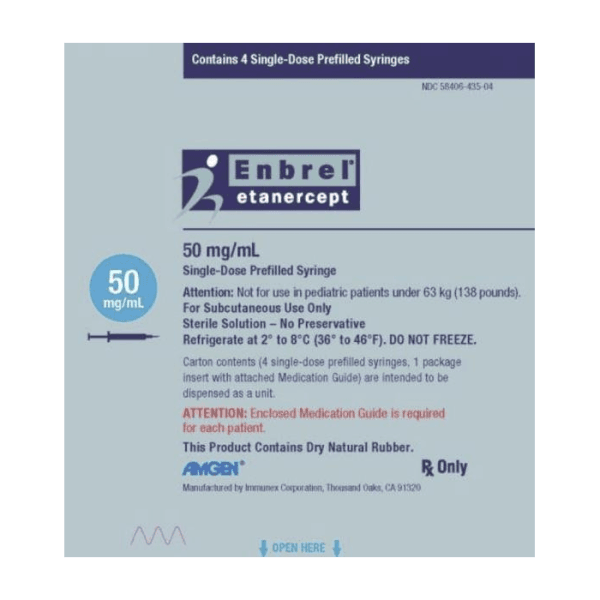
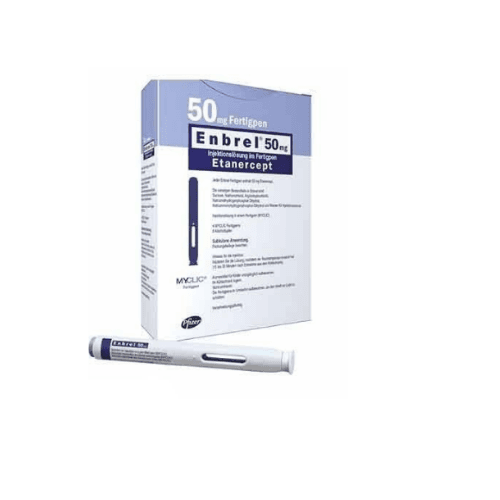
Etanercept is one biologic used in some pediatric rheumatology plans. Caregivers comparing device styles can review the Enbrel Pre-Filled Syringe and the Enbrel SureClick Auto-Injector. These pages are useful for checking available formats and product-specific details before confirming instructions with the prescribing clinic.
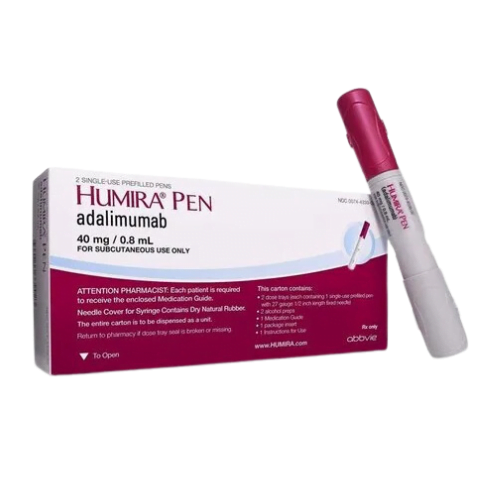
Adalimumab is another biologic option used across several inflammatory conditions. The Humira page can help families compare a different TNF inhibitor product format. Non-biologic options may also appear in treatment discussions. For example, Celebrex is a pain and inflammation product page, while Cyclosporine covers an immune-modulating medication used in specific clinical contexts.
| Browsing factor | What to check |
|---|---|
| Device type | Compare syringe, auto-injector, capsule, or tablet formats where listed. |
| Handling | Review storage, refrigeration, and room-temperature instructions on the product page. |
| Training needs | Ask the clinic about demonstration devices, injection teaching, and caregiver roles. |
| Prescription match | Confirm the exact product, strength, and schedule with the prescriber. |
How Clinicians Frame Treatment Decisions
Juvenile idiopathic arthritis treatment usually depends on subtype, joint involvement, symptom pattern, age, weight, and response to earlier therapies. Oligoarticular disease affects fewer joints. Polyarticular disease involves more joints. Systemic juvenile idiopathic arthritis may include fever, rash, and inflammation beyond the joints. These differences can change how specialists monitor risks and choose medication classes.
Many families ask about juvenile idiopathic arthritis causes. The exact cause is not fully understood, but immune system activity plays a central role. A juvenile idiopathic arthritis diagnosis usually involves history, physical examination, lab testing when needed, and exclusion of other causes. Imaging, eye exams, and follow-up visits may support the care plan.
Professional teams may refer to juvenile idiopathic arthritis treatment guidelines when selecting therapies. These documents guide clinical decision-making, but they do not replace individual assessment. The ACR juvenile arthritis guidelines summarize recommendations used by rheumatology professionals.
Related Conditions and Monitoring Topics
Some visitors compare juvenile idiopathic arthritis vs rheumatoid arthritis because both involve inflammatory joint disease. Pediatric disease starts in childhood and can involve growth, school routines, and eye monitoring. Adult rheumatoid arthritis has different classification patterns and treatment pathways. The Rheumatoid Arthritis condition page can help you compare the adult-focused category.
JIA subtypes can overlap with other inflammatory arthritis labels. Browse Juvenile Psoriatic Arthritis for a child-focused psoriatic category, or compare Enthesitis-Related Arthritis when tendon or ligament attachment inflammation is part of the discussion. Adult psoriatic disease is organized separately under Psoriatic Arthritis.
Eye monitoring is another important browsing path. Some children with JIA can develop uveitis, which means inflammation inside the eye. Families searching for juvenile idiopathic arthritis eye symptoms can compare condition-aligned information under Uveitis. Eye symptoms may not always be obvious, so screening schedules should come from the child’s care team.
Skin findings can also raise questions. A juvenile idiopathic arthritis rash may occur with systemic disease, but rashes have many possible causes. Searches for juvenile idiopathic arthritis rash pictures or juvenile arthritis rash pictures can be hard to interpret without clinical context. A pediatric rheumatologist or primary care clinician can help decide whether a rash relates to arthritis, infection, allergy, or another condition.
Education for Caregivers and Teens
Educational articles can support conversations about medicines, awareness, and daily management. The Etanercept Guide explains a biologic medication in patient-friendly terms. The Juvenile Arthritis Awareness Month resource covers awareness themes and caregiver-facing points.
For broader reading, the Pain and Inflammation Articles archive groups related educational posts. The Pain and Inflammation Products category is useful when you want to compare product pages beyond a single diagnosis. These areas can help separate medication information from general joint health reading.
Families also ask about juvenile arthritis diet, juvenile rheumatoid arthritis treatment exercises, and school or sports routines. Diet and exercise plans should be individualized, especially during flares or after joint injury. Physical therapy teams may suggest age-appropriate movement, stretching, strengthening, or activity pacing. The goal is to support function without replacing medical treatment.
Practical Questions Before Opening a Product Page
Before comparing products, confirm whether the medication name, form, and strength match the prescription. CanadianInsulin.com operates as a prescription referral platform, and prescription details may be confirmed with the prescriber where required. Dispensing is handled by licensed third-party pharmacies where permitted.
- Check whether the listed product is a syringe, auto-injector, capsule, or tablet.
- Review storage instructions before travel, school dosing routines, or overnight stays.
- Ask the clinic how to rotate injection sites and manage missed training steps.
- Keep sharps containers, alcohol swabs, and medication records in one safe place.
- Do not switch devices, strengths, or schedules without the prescribing team.
Quick tip: Bring the product name and device type to training appointments.
Long-Term Outlook and Next Browsing Steps
Questions about juvenile arthritis life expectancy, does juvenile arthritis shorten lifespan, or juvenile arthritis death rate often reflect worry about long-term outcomes. Many children do well with specialist care, but the course varies by subtype, severity, complications, and treatment response. Clinicians may monitor growth, joint function, eye health, medication safety, and flare patterns over time.
Some families ask, does juvenile arthritis go away, can juvenile arthritis come back in adulthood, or does juvenile arthritis get worse with age. Remission can happen, symptoms can recur, and some people continue to need care as adults. The phrase juvenile idiopathic arthritis in adults usually refers to people diagnosed in childhood who still need monitoring after transition to adult care.
Use this condition collection to narrow the next page by purpose. Product pages help compare formats and handling details. Related condition pages help clarify overlapping diagnoses. Articles support education before appointments. Keep final decisions with the pediatric rheumatology team, especially when symptoms, eye concerns, rash, or medication side effects change.
This content is for informational purposes only and is not a substitute for professional medical advice.
Related conditions
All medical conditions →Frequently asked questions
About browsing Juvenile Idiopathic Arthritis resources on this page.
What are the first signs of juvenile arthritis?
Early signs can include joint swelling, morning stiffness, limping, reduced movement, tiredness, or pain that changes normal play and activity. Some children do not describe pain clearly, so caregivers may notice avoidance of stairs, sports, handwriting, or dressing tasks. Fever, rash, or eye inflammation can occur in some subtypes. A clinician should assess persistent symptoms because many conditions can mimic juvenile arthritis.
How should caregivers compare injection options in this category?
Start with the exact prescription, then compare the product name, device type, strength, storage instructions, and handling steps. Pre-filled syringes and auto-injectors can feel different during training. Some families value injection-speed control, while others prefer less needle visibility. Device choice should match the prescriber’s plan and the child’s comfort, not online preference alone.
Will juvenile idiopathic arthritis go away?
Some children reach remission, while others have symptoms that continue or return later. The outlook depends on subtype, disease activity, complications, and response to treatment. Follow-up usually focuses on joint function, growth, eye health, and medication safety. Questions about long-term outlook are best reviewed with the child’s pediatric rheumatology team, using the child’s specific history.
What resources in this collection are best for appointment preparation?
Product pages are useful for checking medication formats and handling details. Related condition pages help compare overlapping arthritis types and uveitis monitoring. Educational articles can support questions about biologics, awareness topics, and pain or inflammation terms. Before an appointment, caregivers can note symptoms, flare timing, eye concerns, school limits, and any problems with storage or injection routines.
Related articles
View all articles →
Taltz and Fibromyalgia: Evidence, Safety, and Nerve Pain
Taltz (ixekizumab) is approved for several inflammatory diseases, but it is not approved for fibromyalgia or typical neuropathic pain (nerve-related pain) conditions.…
Read more →
Enbrel: Safety, Uses, Injections, and Monitoring Basics
Enbrel is a biologic medicine used to reduce immune-driven inflammation in conditions such as rheumatoid arthritis, psoriatic arthritis, ankylosing spondylitis, plaque psoriasis,…
Read more →
Joint Health Habits to Prevent Injury and Maintain Strength
Joint health improves when you combine regular movement, strength training, balanced nutrition, enough recovery, and early attention to pain signals. This matters…
Read more →
Arthritis Awareness Month and Juvenile Arthritis Support
Arthritis Awareness Month is observed in May to raise awareness of arthritis as a broad group of joint and inflammatory conditions. July…
Read more →The contents of CanadianInsulin.com are for informational purposes only and should not be considered medical advice. We do not guarantee the accuracy of the content on CanadianInsulin.com, nor do we assume any responsibility for any actions taken using the information found on our website. Always consult with your family physician or a qualified health care provider about any health or medical concerns.