

Ischemic Stroke Medications and Resources
Browse Ischemic Stroke medications and resources for patients and caregivers comparing prevention therapies, related conditions, and article guides.
Prices in USD, the lowest price for each product; your dose and quantity set the final price. Struck prices are the US and Canadian comparison prices shown on each product page.
Ischemic Stroke: products, conditions and resources
Ischemic Stroke resources on this page connect condition information with related medication listings and focused reading. Patients, caregivers, and shoppers can compare antiplatelet and anticoagulant options, then move to product pages or condition pages that match their next question. Use this collection to narrow by medicine class, brand or generic name, and the risk factors your clinician has discussed.
An ischemic stroke happens when a clot or narrowed artery blocks blood flow to part of the brain. Sudden weakness, facial droop, confusion, vision changes, and trouble speaking can be ischemic stroke symptoms, including acute ischemic stroke symptoms. Emergency care is time-sensitive, so this page focuses on browsing after-care and prevention resources, not urgent diagnosis or treatment.
What This Ischemic Stroke Category Contains
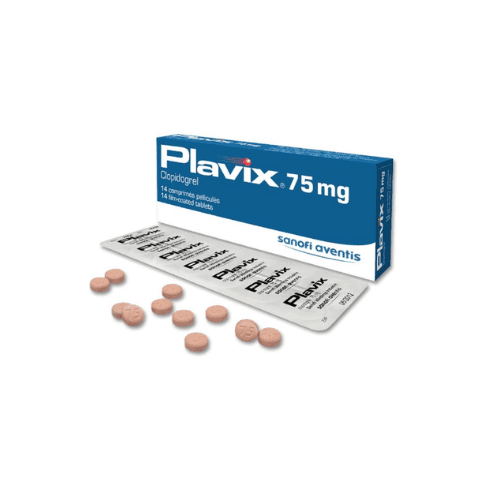
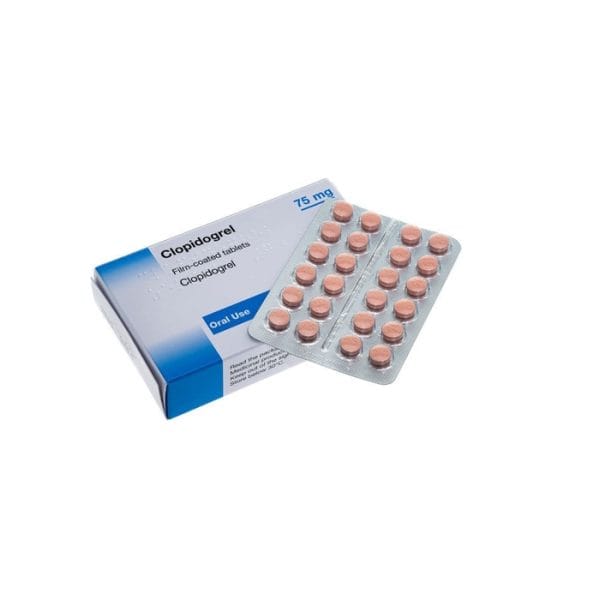
This medical-condition collection brings together products and education related to clot prevention after a stroke or high-risk vascular event. It includes antiplatelet medicines such as Clopidogrel and the branded clopidogrel option Plavix. It also includes P2Y12 receptor inhibitors, a medicine class that helps reduce platelet clumping.
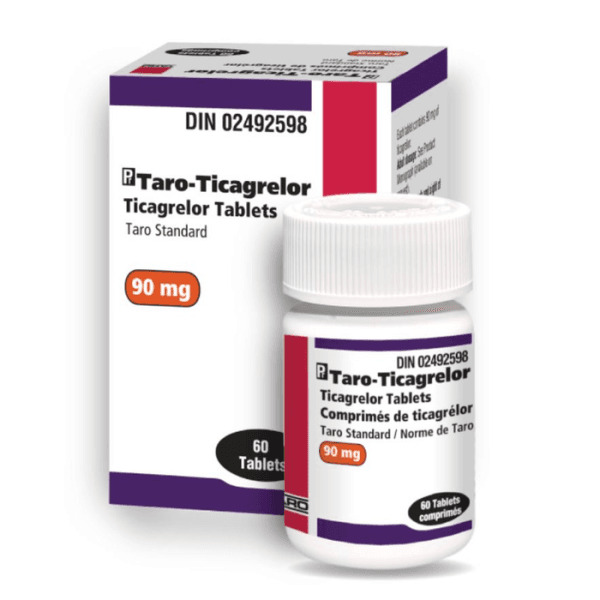
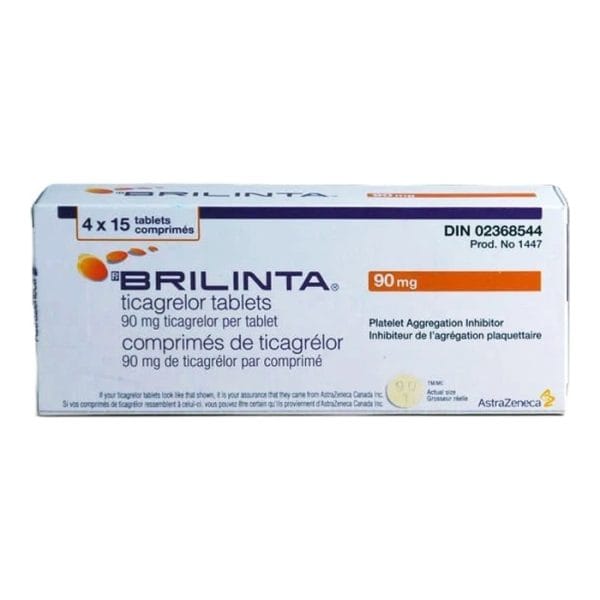
Some listings focus on medicines used after certain cardiovascular events or procedures. Ticagrelor and Brilinta are examples you may see when comparing product names, labeled strengths, and tablet counts. The category also includes Warfarin, an anticoagulant, because some stroke risk comes from heart rhythm problems rather than platelet-driven artery disease.
CanadianInsulin.com functions as a prescription referral platform. Where required, prescription details may be confirmed with the prescriber before a medication request proceeds through eligible pharmacy partners.
How to Compare Ischemic Stroke Treatment Options
Ischemic stroke treatment can differ by cause, timing, imaging results, and other medical conditions. For browsing, start with the reason the medicine was prescribed. A clot forming on artery plaque may lead to different prevention planning than a clot traveling from the heart. Atrial fibrillation, carotid artery disease, diabetes, high blood pressure, and high cholesterol can all change the discussion.
Use these comparison points before opening a product page:
- Medicine class: Compare antiplatelets with anticoagulants, since they work through different clotting pathways.
- Generic and brand names: Match the ingredient name to the prescription label, not only the brand.
- Form and strength: Review tablet strength, pack size, and whether the listing matches the prescribed product.
- Combination plans: Some people use two antiplatelet medicines for a limited period under clinician direction.
- Interaction questions: Ask about bleeding risk, procedures, stomach protection, and other prescriptions.
Quick tip: Keep a current medication list beside you while comparing product names.
Ischemic stroke treatment guidelines may discuss acute hospital therapies, longer-term prevention, and rehabilitation. Product browsing should not replace those clinical decisions. It can, however, help you understand which medication pages match the names on a discharge plan or follow-up note.
Common Causes, Stroke Types, and Related Conditions
Ischemic stroke causes often involve a thrombus (a clot forming in place) or an embolus (a clot traveling from another site). Plaque buildup, narrowed arteries, and atrial fibrillation are common pathways. Many people also compare causes of stroke with broader types of stroke, because prevention depends on the mechanism.
The main contrast is ischemic stroke vs hemorrhagic stroke. Ischemic events involve blocked blood flow. Hemorrhagic events involve bleeding into or around the brain. Symptoms can overlap, so imaging is usually needed in urgent care. Treatment also differs, especially early in the event. This category keeps the focus on product and resource navigation after the acute phase.
Related condition pages can help you follow the risk-factor trail. The broader Stroke page covers stroke-focused browsing across mechanisms. Atrial Fibrillation is relevant when irregular rhythm raises clot risk. Hypertension and High Cholesterol connect to long-term vascular risk management. Cardiovascular Disease provides a wider route for heart and blood vessel conditions.
Medication Articles for Deeper Reading
Educational articles are useful when you want plain-language background before comparing listings. The Clopidogrel 75 mg Guide explains a commonly used antiplatelet option in more detail. The Ticagrelor 90 mg Guide outlines key class details, dosing language, and risks to discuss with a clinician.
When the stroke cause involves atrial fibrillation or another clotting risk, anticoagulant education may be more relevant than antiplatelet education. The Warfarin Clot Prevention Guide explains why monitoring and interactions matter. For another anticoagulant topic, Apixaban Uses covers common clinical contexts without replacing medical advice.
Why it matters: Similar stroke symptoms can lead to different prevention medicines after evaluation.
Safety and Access Notes While Browsing
Antiplatelet and anticoagulant medicines can raise bleeding risk. Do not start, stop, combine, or switch these medicines without professional guidance. This matters before surgery, dental procedures, new prescriptions, or over-the-counter pain relievers. If you are comparing ischemic stroke treatment drugs, use product pages to verify names and forms, then confirm the plan with your prescriber or pharmacist.
Dispensing and fulfilment, where permitted, are handled by licensed third-party pharmacies rather than CanadianInsulin.com directly. Availability can vary by product, strength, manufacturer, and pack size. Product pages provide the most specific listing details, while this condition page helps you decide which medication or resource to open first.
Some shoppers also see coding terms such as ischemic stroke icd-10, history of ischemic stroke icd 10, or recurrent ischemic stroke icd 10 in medical records. Those codes support documentation and billing. They do not describe which medication is appropriate for an individual person.
Using This Collection as a Next Step
Start with the product name on the prescription, then compare the active ingredient and class. If the medicine name is unfamiliar, open the related article before reviewing the product page. If the cause of stroke is unclear, related condition pages can help you understand why atrial fibrillation, blood pressure, cholesterol, and vascular disease often appear in the same care plan.
This collection supports organized browsing around Ischemic Stroke prevention and recovery support. It does not cover emergency therapies, thrombolysis decisions, or ischemic stroke treatment after 4.5 hours, which require urgent medical evaluation. Use the listings and resources here to prepare better questions for licensed clinicians and pharmacy professionals.
This content is for informational purposes only and is not a substitute for professional medical advice.
Related conditions
All medical conditions →Frequently asked questions
About browsing Ischemic Stroke resources on this page.
How are products in this category organized?
Products are organized around medicines commonly discussed after clot-related stroke events or related cardiovascular risks. You can compare antiplatelet options, anticoagulant options, brand and generic names, forms, strengths, and supporting article topics. The page also links to related condition collections, such as atrial fibrillation, hypertension, and high cholesterol, because prevention planning often depends on the underlying cause.
What should I confirm before comparing stroke prevention medicines?
Confirm the exact active ingredient, strength, directions, and reason for use with your prescription or care summary. Antiplatelets and anticoagulants are not interchangeable, even when both relate to clot prevention. Ask a clinician or pharmacist about bleeding risk, drug interactions, procedures, missed doses, and whether the medicine is meant for short-term combination therapy or longer-term use.
Is ischemic stroke different from a general stroke page?
Yes. Stroke is a broader term that includes blocked-vessel and bleeding-related events. Ischemic stroke refers to blocked blood flow, usually from a clot or narrowed artery. A general stroke page may cover more mechanisms, while this category focuses on ischemic stroke-related products, prevention resources, and connected risk conditions.
Can this page help interpret ischemic stroke symptoms?
This page names common symptoms so the category has clear context, but it cannot assess symptoms or urgency. Sudden facial droop, weakness, speech trouble, confusion, severe dizziness, or vision changes require emergency medical help. After evaluation, the product and article links can help patients and caregivers understand the medicines and risk factors discussed in follow-up care.
Related articles
View all articles →
Clopidogrel 75 mg: Safety, Uses, and Stroke Risk
Clopidogrel 75 mg is a common daily maintenance dose of an antiplatelet medicine used to lower the chance of certain blood-clot events,…
Read more →
Prasugrel 10 mg: Uses, Bleeding Risks, and Dose Basics
Prasugrel 10 mg uses mainly relate to preventing dangerous blood clots after certain heart problems, especially after a heart attack or a…
Read more →
Wegovy and Blood Pressure: Heart Safety and Warning Signs
Wegovy and blood pressure are connected in a clinically important but not simple way. In some people, blood pressure improves as weight…
Read more →The contents of CanadianInsulin.com are for informational purposes only and should not be considered medical advice. We do not guarantee the accuracy of the content on CanadianInsulin.com, nor do we assume any responsibility for any actions taken using the information found on our website. Always consult with your family physician or a qualified health care provider about any health or medical concerns.