

Diabetic Retinopathy Medications and Resources
Browse diabetic retinopathy products and learning resources for patients and caregivers comparing eye injections, related conditions, and safety topics.
Prices in USD, the lowest price for each product; your dose and quantity set the final price. Struck prices are the US and Canadian comparison prices shown on each product page.
Diabetic Retinopathy: products, conditions and resources
Diabetic retinopathy can affect central and side vision, so browsing the right product and education pages matters. This condition collection helps patients and caregivers compare eye-injection options, related diabetes conditions, and practical reading resources before opening individual listings. Use it to understand which pages focus on medicines, which explain symptoms, and which support wider diabetes care discussions.
What This Diabetic Retinopathy Category Contains
This page brings together condition-aligned products and articles used around retinal specialist care. The product listings include anti-VEGF medicines, a class that blocks vascular endothelial growth factor, a signal linked with abnormal blood vessel growth and leakage. These medicines are given in clinic as intravitreal injections, meaning injections into the eye by a trained clinician.
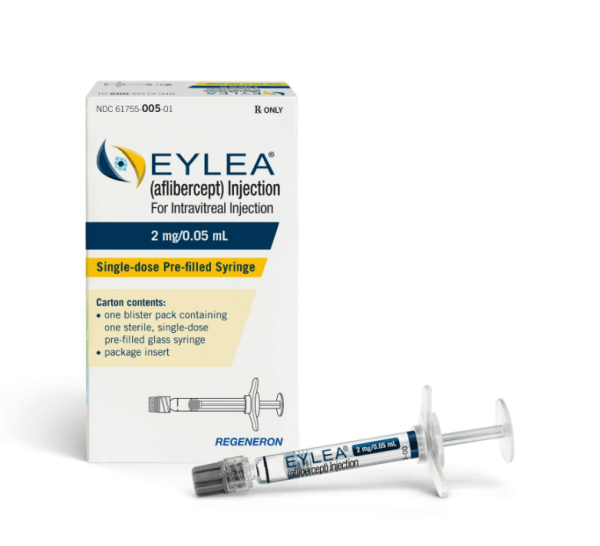
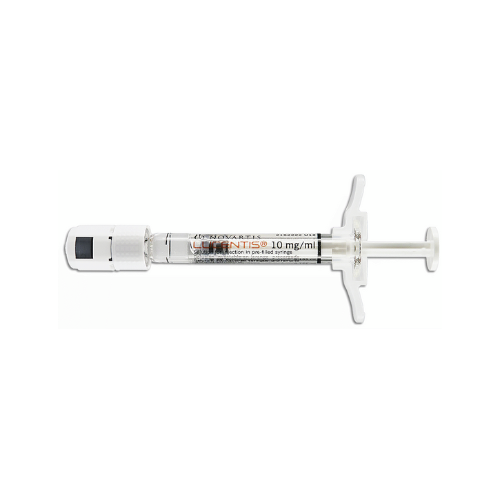
Representative product pages include Lucentis Prefilled Syringe, Eylea, Lucentis Vial, and Beovu Pre-Filled Syringe. Each product page can help you check the format, brand details, and handling notes listed for that item. CanadianInsulin.com operates as a prescription referral platform, so prescription details may need confirmation with the prescriber when required.
The educational links answer common questions about diabetic retinopathy symptoms, diabetes-related eye changes, and medication safety topics. These resources can prepare you for a retina visit, but they do not replace advice from an ophthalmologist, optometrist, endocrinologist, or primary care clinician.
How Eye Specialists Group Treatment Options
Diabetic retinopathy treatment depends on the disease pattern, vision changes, and whether diabetic macular edema is present. Macular edema means swelling near the macula, the part of the retina used for sharp reading vision. Anti-VEGF injections may be considered when fluid or abnormal vessel growth affects the retina. Laser procedures or diabetic retinopathy surgery may be discussed in selected advanced cases.
Browsing this collection is not the same as choosing a therapy. Instead, use the product pages to understand the item type and clinic workflow questions. Ask your eye team how a medicine is stored, prepared, administered, and monitored. Also ask how follow-up visits, eye pressure checks, and optical coherence tomography scans fit your plan.
| Browse factor | What to compare | Questions to confirm |
|---|---|---|
| Medicine class | Anti-VEGF injection options | Why this class fits the eye findings |
| Format | Prefilled syringe or vial listings | How the clinic handles preparation |
| Monitoring | Fluid checks and pressure checks | When follow-up should occur |
| Related condition | Macular edema or broader diabetes pages | Which problem is driving vision changes |
Quick tip: Keep product questions separate from dosing decisions, which belong with your clinician.
Symptoms, Stages, and When to Seek Care
Early changes may not cause obvious symptoms. Some people later notice blurry vision, floaters, dark areas, distorted reading vision, or sight that changes from day to day. If you are asking what is the first sign of diabetic retinopathy, the answer is often that there may be no clear first sign. Regular dilated eye exams help detect retinal changes before major vision loss occurs.
Clinicians describe diabetic retinopathy stages in broad terms, including nonproliferative and proliferative disease. Nonproliferative disease involves damaged retinal vessels that may leak or close off. Proliferative diabetic retinopathy involves new fragile vessels that can bleed or scar. Sudden new floaters, flashes, a curtain-like shadow, or rapid vision loss need urgent medical attention.
For a symptom-focused reading path, open Diabetic Retinopathy Signs and Symptoms. For a wider explanation of diabetes-related eye problems, use How Diabetes Affects the Eyes. These articles support appointment preparation and help you describe changes clearly.
Related Conditions That Shape Browsing
Retinal care often overlaps with broader diabetes management. Long-term high blood sugar, blood pressure, cholesterol, kidney disease, and smoking history can affect risk. These are diabetic retinopathy causes and risk factors to discuss with your care team, not reasons to change medicines on your own.
If central retinal swelling is part of the diagnosis, Diabetic Macular Edema is a useful related condition page. For broader condition browsing, Diabetes, Type 1 Diabetes, and Type 2 Diabetes organize related products and resources by diabetes type. Diabetic Kidney Disease may also be relevant when vascular complications are being reviewed.
Why it matters: Eye findings often make more sense when viewed with overall diabetes control.
Medication Articles and Safety Topics
Some readers want to compare product classes, while others want to understand how systemic diabetes medicines relate to eye health. Eylea vs Lucentis compares two commonly discussed retinal medicines at a high level. It can help you prepare questions about format, treatment intervals, and clinic preferences without making a treatment choice for you.
Other articles cover broader medication and vision questions. Metformin and Blindness Risk reviews a topic many patients ask about during diabetes care. Semaglutide and Vision discusses why regular ophthalmology appointments remain important when diabetes treatment changes.
For neutral disease background, the National Eye Institute explains diabetic retinopathy in patient-friendly language. Use official medical resources for disease definitions, and use product pages for item-specific browsing details.
Using This Collection Before an Eye Visit
Start with the page that matches your immediate question. Choose a product listing when you need format or brand information. Choose a condition page when you want to compare related diabetes complications. Choose an article when you need plain-language background before a visit.
If you are researching whether vision can improve, whether diabetic retinopathy can be reversed, or what worsens the condition, bring those questions to your eye specialist. Outcomes vary by stage, macular involvement, treatment timing, and overall health. This browse page can help you organize the next link to open, but clinical decisions should stay with your licensed care team.
This content is for informational purposes only and is not a substitute for professional medical advice.
Related conditions
All medical conditions →Frequently asked questions
About browsing Diabetic Retinopathy resources on this page.
How should I compare diabetic retinopathy product pages?
Compare the medicine class, format, and product-specific handling details shown on each listing. For retinal injections, note whether the page describes a vial or prefilled syringe. Do not compare these pages as if they replace a prescription decision. Your retina specialist decides whether an anti-VEGF option, laser, surgery, observation, or another approach fits your eye findings.
Which resource should I open first if I have new vision symptoms?
If symptoms are sudden or severe, contact a clinician urgently rather than relying on online browsing. For non-urgent learning, start with the symptom article, then review the broader eye-health article. Product pages are more useful after a clinician has discussed a medication class or specific injection option with you.
Can this category explain diabetic retinopathy stages?
This category gives a browsing-level summary and links to more detailed educational resources. It can help you understand terms such as nonproliferative disease, proliferative disease, and macular edema. Your eye exam, retinal imaging, and clinician’s assessment determine the actual stage and the follow-up plan.
Are eye injections the only treatment option listed here?
The visible product listings focus on retinal injection medicines, especially anti-VEGF options. The educational resources also mention broader care paths, including monitoring, laser procedures, and surgery in selected cases. Your clinician may combine eye treatment with glucose, blood pressure, cholesterol, and kidney care goals.
Related articles
View all articles →
Humulin N Dosage Chart: Safe Use and Adjustment Factors
A Humulin N dosage chart can help you organize a prescribed insulin plan, but it should not decide your dose. Humulin N…
Read more →
Fiasp Cartridge Safety, Compatibility, and Mealtime Use
A Fiasp cartridge is a replaceable cartridge form of Fiasp, a faster-acting insulin aspart used around meals when prescribed for diabetes. It…
Read more →
Fiasp Alternative Options for Mealtime Insulin Decisions
A Fiasp alternative is usually another mealtime insulin that acts quickly around food, not a simple over-the-counter substitute. Options may include other…
Read more →
Continuous Glucose Monitoring: How CGMs Fit Diabetes Care
Continuous glucose monitoring is a way to track glucose throughout the day and night with a small wearable sensor. It matters because…
Read more →The contents of CanadianInsulin.com are for informational purposes only and should not be considered medical advice. We do not guarantee the accuracy of the content on CanadianInsulin.com, nor do we assume any responsibility for any actions taken using the information found on our website. Always consult with your family physician or a qualified health care provider about any health or medical concerns.