

Crohn’s Disease Medications and Resources
Browse Crohn’s Disease options for patients and caregivers, including related medications, biologic classes, safety topics, and condition resources.
Prices in USD, the lowest price for each product; your dose and quantity set the final price. Struck prices are the US and Canadian comparison prices shown on each product page.
Crohn’s Disease: products, conditions and resources
Crohn’s Disease can involve long-term inflammation anywhere in the digestive tract. This medical-condition collection helps patients and caregivers browse related prescription options, product pages, and educational resources in one place. Use it to compare medication classes, formats, monitoring questions, and related inflammatory conditions before speaking with a clinician.
The listings may include biologics, immune-modifying medicines, and condition-focused resources. Product availability, eligibility, and prescribing requirements can vary. CanadianInsulin.com is a prescription referral platform, and prescription details may be confirmed with a prescriber where required.
Crohn’s Disease Treatments in This Collection
This page is organized around Crohn’s disease treatments that may appear in clinical care plans. The collection may include injectable biologics, prefilled devices, and educational articles about commonly compared therapies. It is not a treatment plan or dosing tool. Instead, it helps you understand which product pages or resources may be relevant to discuss with a gastroenterology team.
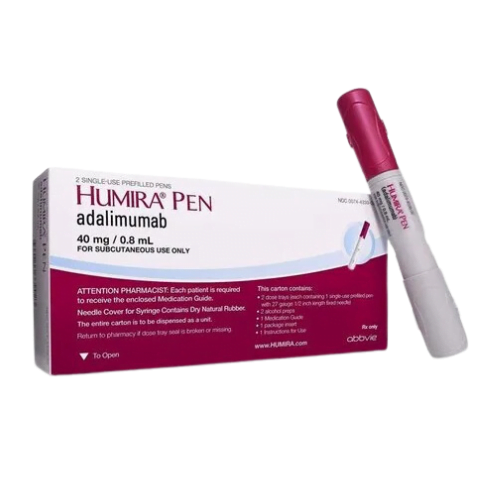
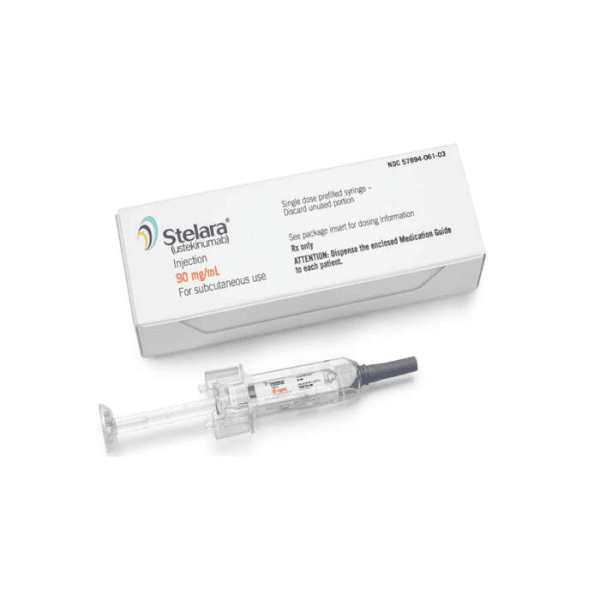
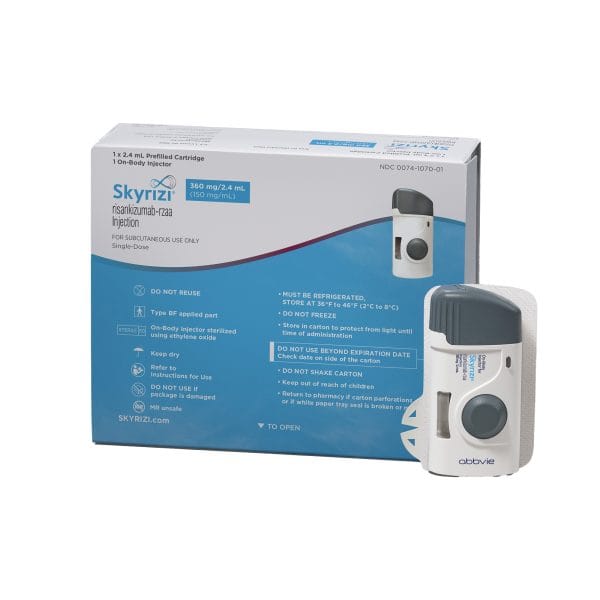
Biologics are targeted medicines made from living cells. They act on specific immune signals linked to inflammation. Examples in this collection include Humira, Stelara Prefilled Syringe, and Skyrizi Prefill Cartridge with Injector. Each product page can help you review form, device type, storage basics, and other practical product details.
Some Crohn’s disease medications are used for induction, which means calming active inflammation. Others are used for maintenance, which means helping keep remission stable. Many care plans aim to reduce repeated steroid use when a safer long-term option is appropriate. Your clinician will consider disease location, prior response, infection risk, and other health factors.
How to Compare Medication Classes
Crohn’s disease drugs are often grouped by how they affect the immune system. Anti-TNF therapy for Crohn’s targets tumor necrosis factor, a chemical signal involved in inflammation. IL-12/23 inhibitors for Crohn’s act on cytokines, which are immune proteins that help drive inflammatory pathways. Other product classes may include immunomodulators, corticosteroids, and newer oral small molecules.
When browsing, compare the details that affect day-to-day use. Start with the route of administration, such as injection, infusion, or tablet. Then check storage needs, device format, monitoring requirements, and whether the medicine is usually used for active flares or longer-term control. For product pages, confirm the exact form and strength with the listing and your prescription.
- Injection options may use prefilled pens, syringes, cartridges, or on-body devices.
- Infusion products are usually administered in a clinical setting at scheduled intervals.
- Oral options may be used in selected situations, depending on the medicine and patient factors.
- Lab monitoring may be needed before and during some Crohn’s disease therapy.
Quick tip: Keep a list of current medicines and vaccines before reviewing new options.
Induction, Maintenance, and Flare Context
Crohn’s disease management often separates short-term control from long-term maintenance. Crohn’s disease flare treatment may involve medicines that work quickly to reduce symptoms and inflammation. Maintenance therapy focuses on keeping inflammation controlled while limiting avoidable risks. This distinction matters when comparing corticosteroids, biologics, and immunomodulators.
Corticosteroids for Crohn’s disease can help some flares, but they are generally not preferred for continuous maintenance. Immunomodulators for Crohn’s may be considered in select patients and often need bloodwork. Aminosalicylates for Crohn’s have a more limited role than they do in ulcerative colitis. Biologic options may be used when disease is moderate to severe, fistulizing, or not controlled by earlier approaches.
Step-up therapy usually starts with less intensive medicines and escalates if control is not adequate. Step-down therapy may begin with stronger control, then narrow treatment once remission improves. These strategies depend on individual risk and disease behavior. They should be discussed with a clinician rather than chosen from a category page alone.
Safety and Prescription Details to Review
Many Crohn’s disease biologics and immune-modifying medicines require safety screening. Clinicians may check for tuberculosis, hepatitis, vaccination status, pregnancy plans, and infection history. Some medicines also require routine blood counts or liver tests. These checks help reduce avoidable risk before and during treatment.
Storage and handling also matter. Several injectable products need refrigeration and protection from light. Others may have specific preparation or administration steps. If a product page mentions a device, check whether it matches the prescription and the training instructions from your care team.
Dispensing and fulfillment are handled by licensed third-party pharmacies where permitted. Some patients also review cash-pay access depending on eligibility and jurisdiction. These access details do not replace prescription requirements or clinical review.
Related Conditions and Resource Paths
Crohn’s disease is one form of inflammatory bowel disease. The closest related condition in this collection is Ulcerative Colitis, which can share symptoms but affects the bowel differently. Comparing the two condition pages may help you separate product categories, medication classes, and education topics.
Some medicines used in IBD also appear in other immune-mediated conditions. Browse related condition pages such as Rheumatoid Arthritis, Psoriatic Arthritis, Ankylosing Spondylitis, and Hidradenitis Suppurativa when comparing broader immune-system treatment categories. These pages are useful for navigation, not for deciding whether one condition’s treatment applies to another.
Educational articles can help clarify class-level comparisons. The Stelara Ustekinumab Uses and Comparison resource discusses practical background around ustekinumab. The Ustekinumab vs Adalimumab article focuses on a specific safety comparison topic. Use article content as a discussion aid, not as a substitute for medical judgment.
Symptoms and When to Seek Clinical Guidance
Many people search for Crohn’s symptoms before comparing medicines. Common symptoms can include ongoing diarrhea, abdominal pain, weight loss, fatigue, and blood in stool. Some people also develop mouth sores, joint pain, skin problems, or eye inflammation. Symptoms can overlap with infections and other digestive disorders, so diagnosis requires clinical evaluation.
Official patient resources from the CDC Crohn’s disease basics page explain that Crohn’s can affect any part of the digestive tract. The NIDDK definition and facts page offers patient-friendly background on inflammation, complications, and diagnosis. Seek urgent medical care for severe pain, dehydration, high fever, or heavy rectal bleeding.
Using This Page to Browse Next
Start with the medication format that matches your prescription or clinician discussion. Then compare product pages for device type, storage, and practical handling details. If you are still learning about IBD treatment for Crohn’s, use the related articles and condition pages to frame better questions for your next visit.
This collection works best as a navigation aid. It brings together Crohn’s disease prescription options, related immune conditions, and practical education without replacing your clinician’s advice. Revisit the listings when your prescription, treatment class, or browsing goal changes.
This content is for informational purposes only and is not a substitute for professional medical advice.
Related conditions
All medical conditions →Frequently asked questions
About browsing Crohn’s Disease resources on this page.
How should I compare Crohn’s disease medication options on this page?
Compare options by medication class, route, device format, storage needs, and monitoring requirements. Product pages may help you review practical details, while related articles can explain class-level issues. Do not use the collection to choose a medicine or change treatment. Crohn’s disease care depends on disease location, severity, previous response, safety screening, and other health conditions.
Are biologics the same as immunomodulators for Crohn’s disease?
No. Biologics are targeted medicines that act on specific inflammatory pathways, such as TNF or IL-12/23 signals. Immunomodulators are a different group of immune-suppressing medicines and may require routine lab monitoring. Both groups can appear in Crohn’s disease management, but they differ in how they work, how they are used, and what safety checks may be needed.
What should I ask my clinician before starting a Crohn’s disease prescription?
Ask why the medicine is being considered, whether it is for induction or maintenance, and what screening is needed first. It can also help to ask about infection risk, vaccines, pregnancy planning, lab monitoring, storage, and what symptoms should prompt urgent care. Bring a complete medication list, including supplements and recent antibiotics.
Why are other immune conditions linked from a Crohn’s disease page?
Some medicines used for Crohn’s disease are also used in other immune-mediated conditions. Related condition pages can help you understand where similar product classes appear across the site. They should not be used to assume that a medicine for one condition is appropriate for another. Diagnosis, prescribing, and monitoring remain condition-specific.
Related articles
View all articles →
Ustekinumab vs Adalimumab: Malignancy Risk and Safety
For most people, ustekinumab vs adalimumab does not come down to a clearly safer cancer-risk choice. Both biologics carry malignancy warnings, but…
Read more →
Stelara: Safety, Uses, and Treatment Decisions
Stelara is a biologic prescription medicine used for certain inflammatory conditions, including plaque psoriasis, psoriatic arthritis, Crohn’s disease, and ulcerative colitis. Its…
Read more →The contents of CanadianInsulin.com are for informational purposes only and should not be considered medical advice. We do not guarantee the accuracy of the content on CanadianInsulin.com, nor do we assume any responsibility for any actions taken using the information found on our website. Always consult with your family physician or a qualified health care provider about any health or medical concerns.