

Chronic Musculoskeletal Pain Medications and Resources
Browse Chronic Musculoskeletal Pain options for patients and caregivers, including related medications, condition pages, and educational resources.
Prices in USD, the lowest price for each product; your dose and quantity set the final price. Struck prices are the US and Canadian comparison prices shown on each product page.
Chronic Musculoskeletal Pain: products, conditions and resources
Persistent muscle, joint, tendon, ligament, or bone pain can make product choices hard to sort through. This Chronic Musculoskeletal Pain collection brings together related medicines, condition pages, and educational reading so patients and caregivers can compare options with clearer context. Use it to review medication classes, common formats, and nearby conditions before discussing next steps with a licensed clinician.
What This Chronic Musculoskeletal Pain Collection Includes
Chronic musculoskeletal pain usually lasts longer than normal tissue healing. It may follow osteoarthritis, inflammatory arthritis, back or neck problems, overuse injuries, surgery, or widespread pain syndromes. The products and resources here focus on category-level browsing, not personal diagnosis or dosing.
Medication options can differ by how they act in the body. Some reduce inflammation. Others affect nerve signaling or pain processing. A clinician may also consider non-drug care, such as physical therapy, pacing, sleep support, weight management, or mental health strategies. Product pages can help you compare forms, strengths, and class details when a medicine is already part of the care discussion.
- Anti-inflammatory medicines may be considered for inflammatory flares or osteoarthritis-related pain.
- Central pain agents may be relevant when sleep, mood, or nerve sensitivity overlap.
- Biologic medicines may appear in related inflammatory arthritis pathways, not simple strain pain.
- Condition pages help separate osteoarthritis, fibromyalgia, neuropathic pain, and inflammatory arthritis contexts.
Quick tip: Compare the condition match first, then review product form and safety questions.
How to Compare Musculoskeletal Pain Treatment Options
Musculoskeletal pain treatment depends on the suspected cause, symptom pattern, other health conditions, and treatment goals. Localized joint pain, widespread aching, burning nerve-like pain, and morning stiffness can point to different pathways. Product browsing works best when you already know the class your prescriber is considering.
For anti-inflammatory browsing, Celebrex is a COX-2 selective nonsteroidal anti-inflammatory drug, often called an NSAID. This class may be discussed for osteoarthritis or inflammatory pain, but risks vary. People with kidney disease, stomach bleeding history, heart disease, or blood thinner use need careful review with a clinician.
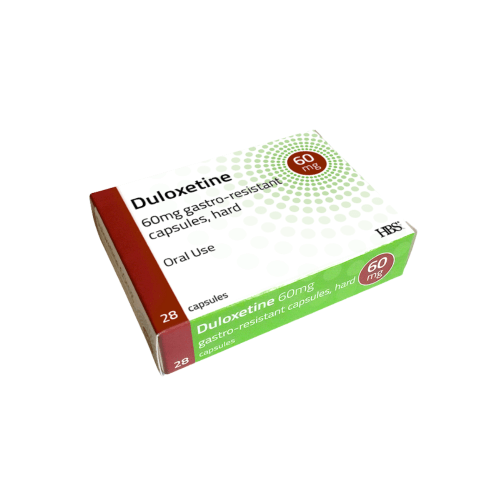
When pain has central sensitivity, mood, or sleep overlap, Duloxetine may appear in care plans for some chronic pain conditions. If nerve symptoms are prominent, such as burning, tingling, or shooting discomfort, Gabapentin may be reviewed in a different treatment pathway. These medicines are not interchangeable, so product pages should support questions, not replace clinical judgment.
| Browsing factor | Why it matters |
|---|---|
| Pain pattern | Inflammatory, mechanical, nerve-like, and widespread pain may lead to different options. |
| Medicine class | NSAIDs, central agents, and biologics have different roles and safety checks. |
| Form | Capsules, tablets, injections, or other formats affect convenience and handling. |
| Monitoring needs | Some therapies need lab review, infection screening, or organ function monitoring. |
Common Conditions Connected to This Category
Several diagnoses can sit under the broader musculoskeletal disorders list. Common examples include osteoarthritis, chronic low back pain, neck pain, tendinopathy, fibromyalgia, rheumatoid arthritis, and neuropathic pain overlap. Each condition can feel different, and each may require a separate assessment.
The Osteoarthritis page is a useful starting point for joint wear-and-tear symptoms, stiffness, and activity-related pain. The Fibromyalgia page fits widespread pain with fatigue, sleep disruption, and tenderness. For burning, tingling, or electric sensations, the Neuropathic Pain page may provide a better browsing path.
Inflammatory conditions need different context. The Rheumatoid Arthritis page relates to autoimmune joint inflammation, often with swelling and morning stiffness. Medicines such as Humira or Enbrel Pre-Filled Syringe may appear in inflammatory arthritis care, but they are not general pain relievers. They require prescriber direction and screening.
Symptoms and Safety Questions to Clarify
Musculoskeletal pain symptoms may include aching, stiffness, tenderness, reduced range of motion, swelling, weakness, or pain triggered by movement. Musculoskeletal back pain symptoms often worsen with certain positions, lifting, or prolonged sitting. Chest wall pain can also be musculoskeletal, but chest symptoms need urgent assessment when serious causes have not been excluded.
People often ask how long musculoskeletal pain lasts. Acute strains may improve over weeks, while chronic pain can persist for months or longer. Duration depends on the cause, conditioning, inflammation, nerve sensitivity, workload, and other health factors. A clinician can help decide whether imaging, blood tests, rehabilitation, or medication review is appropriate.
Ask a clinician or pharmacist about these points before comparing musculoskeletal pain medication options:
- Which diagnosis or working cause is being treated?
- Which symptoms should improve first, and how will progress be reviewed?
- Which side effects or interactions are most relevant to your health history?
- Should similar NSAIDs, sedating medicines, or alcohol be avoided together?
- What warning signs should prompt urgent medical care?
Why it matters: The best painkiller for musculoskeletal pain depends on the cause and risks.
Using Product Pages and Resources Together
This category combines product-led browsing with condition education. Product pages help compare a specific medication, form, and class. Condition pages help place that medicine within a broader clinical picture. Educational posts can help with background topics that sit near chronic pain care.
For a broader pain pathway, Chronic Pain connects persistent symptoms across several body systems. Pet owners browsing related arthritis topics can use Arthritis in Dogs and Cats for veterinary context, while keeping human and animal medicines separate. Families interested in inflammatory arthritis awareness can review Juvenile Arthritis Awareness Month for educational background.
CanadianInsulin.com is a prescription referral platform. When a prescription is required, prescription details may need confirmation with the prescriber before a medication request can move forward. This process does not determine whether a therapy is right for you; that decision belongs with your healthcare professional.
Browse With a Clear Clinical Question
Chronic Musculoskeletal Pain can involve several overlapping conditions, so browsing is most useful when linked to a specific clinical question. You might compare an NSAID class, review a central pain medication, or open a related condition page to understand why your clinician chose one pathway over another.
Use this page as a starting point for organized comparison. Match the resource to the question: product details for medication attributes, condition pages for related diagnoses, and educational posts for background reading. Keep a current medicine list available when speaking with your prescriber or pharmacist.
This content is for informational purposes only and is not a substitute for professional medical advice.
Related conditions
All medical conditions →Frequently asked questions
About browsing Chronic Musculoskeletal Pain resources on this page.
What does this Chronic Musculoskeletal Pain category help me compare?
It helps you compare related product pages, medication classes, and condition pages connected to long-lasting muscle, joint, tendon, ligament, or bone pain. The collection is not a treatment plan. It is meant to support organized browsing before or after a clinician discusses options such as anti-inflammatory medicines, central pain agents, rehabilitation, or condition-specific therapies.
How do I know which musculoskeletal pain medication page to open first?
Start with the medication class or diagnosis your clinician mentioned. If inflammation or osteoarthritis is the focus, an NSAID-related product page may be relevant. If symptoms include burning, tingling, sleep disruption, or widespread sensitivity, a central or nerve-pain pathway may fit better. Product pages can clarify form and class details, but they cannot confirm the right medicine for your situation.
Are biologic medicines used for chronic musculoskeletal pain?
Biologic medicines may be used for certain inflammatory conditions, such as rheumatoid arthritis, when prescribed by a specialist or qualified clinician. They are not general painkillers for routine strains, mechanical back pain, or uncomplicated osteoarthritis. These products often require screening, monitoring, and clear diagnosis-based use, so they should be reviewed within an inflammatory arthritis care plan.
When should chest wall pain be assessed urgently?
Chest pain should be assessed urgently if it is new, severe, crushing, linked with shortness of breath, sweating, fainting, pain spreading to the arm or jaw, or any other concerning symptom. Musculoskeletal chest pain can occur, but more serious causes need exclusion first. A clinician can then discuss chest wall tenderness, posture, movement triggers, and appropriate follow-up.
Related articles
View all articles →
Atopica for Dogs: Safety, Side Effects, and Monitoring
Atopica for dogs is a prescription cyclosporine capsule used to help control canine atopic dermatitis, an allergic skin disease that can cause…
Read more →
Onsior Cat Medicine: Safety, Uses, and Dosing Questions
Onsior cat medicine is a prescription pain and inflammation medicine for cats. It contains robenacoxib, a nonsteroidal anti-inflammatory drug (NSAID), and veterinarians…
Read more →
Arthritis in Dogs: Signs, Causes, and Treatment Options
Arthritis in dogs is a long-term joint disease that causes pain, stiffness, and reduced mobility. It is most often osteoarthritis, also called…
Read more →
Joint Health Habits to Prevent Injury and Maintain Strength
Joint health improves when you combine regular movement, strength training, balanced nutrition, enough recovery, and early attention to pain signals. This matters…
Read more →The contents of CanadianInsulin.com are for informational purposes only and should not be considered medical advice. We do not guarantee the accuracy of the content on CanadianInsulin.com, nor do we assume any responsibility for any actions taken using the information found on our website. Always consult with your family physician or a qualified health care provider about any health or medical concerns.