

Bipolar Depression Medications and Resources
Browse Bipolar Depression medication options, related condition pages, and mental health articles to compare classes, safety points, and next resources.
Prices in USD, the lowest price for each product; your dose and quantity set the final price. Struck prices are the US and Canadian comparison prices shown on each product page.
Bipolar Depression: products, conditions and resources
Bipolar Depression involves depressive episodes within bipolar spectrum disorders. This browse page brings together condition-aligned medication options, related mental health categories, and practical education resources. Use it to compare product classes, understand key safety questions, and choose the next page that fits your discussion with a clinician.
Depressive phases can include low mood, loss of interest, sleep changes, low energy, appetite changes, slowed thinking, and reduced daily function. Some people also experience anxiety, agitation, or mixed features, where depressive symptoms occur with higher energy or racing thoughts. This collection does not diagnose symptoms or replace care. It helps patients and caregivers organize information before reviewing treatment for bipolar disorder with a licensed professional.
What This Bipolar Depression Category Contains
This condition collection focuses on medications and resources often reviewed in bipolar-spectrum care. Product pages may include brand details, forms, strengths, and important handling or prescription information. Educational pages explain related mental health topics, side effect considerations, and condition overlap.
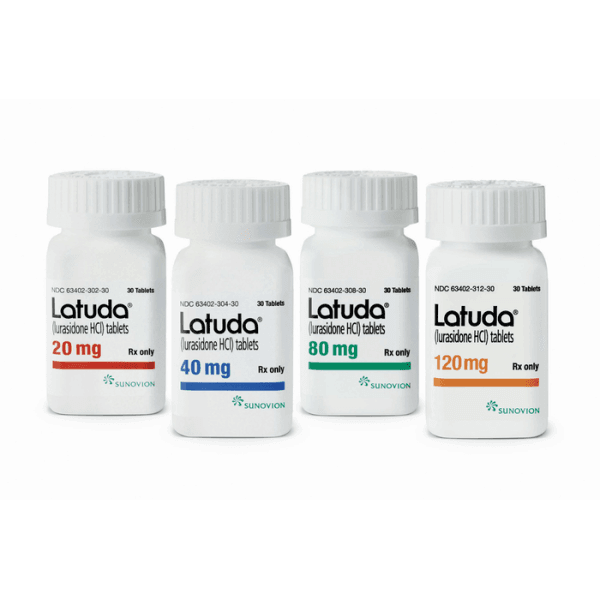
Representative product pages include Latuda, Lamictal, and Abilify. These pages can help you compare medication classes and formulation details. Some visitors also review antidepressant-related pages, such as Fluoxetine and Wellbutrin XL, when discussing adjunctive treatment with a prescriber.
Why it matters: Bipolar depression medication choices can differ from unipolar depression treatment.
How to Compare Medication Options
Medication pages are most useful when you compare practical details, not only product names. Check the dosage form, available strengths, food instructions, storage basics, and whether the page describes a brand or generic option. Also note which items belong to atypical antipsychotic, mood stabilizer, or antidepressant-related categories.
Clinicians often consider symptom pattern, prior response, medical history, and tolerability. Sedation, weight change, movement symptoms, metabolic monitoring, and interaction risk may all affect the plan. Do not start, stop, or change a dose based on a category page. Bring product names and questions to the clinician who knows your history.
- Compare tablet form, strength ranges, and brand or generic naming.
- Review food-related instructions and storage notes when shown.
- Ask how monitoring may apply, including labs or side effect checks.
- Confirm whether an antidepressant is being used alone or with a mood-stabilizing plan.
CanadianInsulin.com works as a prescription referral platform. Where required, prescription details may be confirmed with the prescriber before a medication request is processed.
Symptoms and Condition Pages That Help Narrow the Search
Bipolar depression symptoms can overlap with depression, anxiety, attention problems, and sleep disorders. That overlap can make browsing confusing. Start with the broader Bipolar Disorder condition page when you want the wider mood-disorder picture. The Depression page can help compare depressive symptom language across different diagnoses.
Some people look for bipolar 2 information because hypomania can be harder to identify than mania. Bipolar 2 symptoms may include depressive episodes plus past periods of increased energy, reduced sleep need, impulsivity, or unusual productivity. A bipolar disorder test or bipolar depression test found online cannot confirm a diagnosis. It may only help someone decide what to document before an appointment.
Related condition collections may also be useful when symptoms overlap. The Schizophrenia page may help when psychosis is part of the care discussion. The Obsessive Compulsive Disorder page covers a separate condition that can sometimes affect medication planning. Seasonal mood patterns may lead visitors to the Seasonal Affective Disorder page.
Safety Questions to Review Before Choosing a Product Page
Bipolar Depression can require long-term relapse prevention, not only short-term symptom relief. Product comparisons should include both acute depressive symptoms and maintenance goals. Ask a clinician how each option may fit sleep, concentration, weight, metabolic health, movement side effects, pregnancy planning, substance use, or other medications.
Antidepressants require special discussion in bipolar-spectrum illness because some people may be at risk of mood switching. Mood switching means moving from depression into mania or hypomania. A prescriber can explain whether an antidepressant-related page is relevant, and whether a stabilizing medication is also needed.
Quick tip: Write down past reactions to psychiatric medicines before comparing new pages.
For concise public medical information, the National Institute of Mental Health bipolar disorder publication explains symptoms, episodes, and treatment categories. Use authoritative sources for medical facts, then use product pages to check practical medication details.
Related Mental Health Articles and Product Collections
The Mental Health product category gives a wider view of medication pages across psychiatric conditions. It can help if you are comparing bipolar 2 medication, depression-related products, or treatments used across several diagnoses.
Article resources can support a safer, more organized discussion. The Abilify Uses in Mental Health article gives background on where that medicine may be discussed. The Abilify Side Effects and Safety Tips article can help frame monitoring questions. Mental health awareness posts, including Mental Health Awareness Month 2025, may be useful for caregivers seeking broader support language.
Using This Collection With Your Care Team
There is no single best medication for bipolar depression and anxiety that fits everyone. The best next page depends on the diagnosis, past episodes, current symptoms, and safety priorities. Use this collection to shortlist product pages, compare related condition resources, and prepare focused questions.
Before an appointment, note sleep changes, energy shifts, appetite changes, concentration problems, and any periods of unusually elevated or irritable mood. That record can help a clinician interpret bipolar 2 vs bipolar 1 history, medication risks, and follow-up timing. Keep browsing focused on verified product details and condition pages, then rely on professional care for diagnosis and treatment decisions.
This content is for informational purposes only and is not a substitute for professional medical advice.
Related conditions
All medical conditions →Frequently asked questions
About browsing Bipolar Depression resources on this page.
What does bipolar depression feel like?
Bipolar depression may feel like persistent sadness, low energy, loss of interest, sleep changes, appetite changes, slowed thinking, and difficulty functioning. Some people also feel anxious, irritable, or physically slowed down. These symptoms can resemble major depression, so past mania or hypomania history matters. A clinician can review the full pattern and decide whether bipolar-spectrum care is appropriate.
How should I compare bipolar depression medication pages?
Compare medication pages by class, form, strength information, food instructions, storage notes, and safety topics. Also consider what monitoring may be needed, such as metabolic checks or other follow-up. Do not compare products by name alone. Bring the pages and your questions to a clinician, especially if antidepressants, mood stabilizers, or antipsychotics are being discussed together.
Can an online bipolar disorder test confirm a diagnosis?
No. An online bipolar disorder test or bipolar depression test cannot confirm a diagnosis. Screening tools may help someone notice symptoms worth discussing, but they cannot replace a clinical evaluation. Diagnosis usually depends on depressive episodes, any history of mania or hypomania, medication history, family history, substance use, and medical factors.
What is the difference between bipolar 2 and bipolar 1 when browsing resources?
Bipolar 1 involves a history of mania. Bipolar 2 involves hypomania and depressive episodes, but not full mania. Depressive phases can look similar in daily life, so product and condition pages may overlap. When browsing, note whether a resource discusses mania, hypomania, mixed features, maintenance treatment, or acute depressive symptoms.
Related articles
View all articles →
World Mental Health Day: Dates, Themes, and Action Steps
World Mental Health Day is observed every year on October 10 to raise awareness, reduce stigma, and encourage practical support for mental…
Read more →
Abilify Uses in Mental Health Care: Benefits and Risks
Abilify uses include several mental health conditions, most often schizophrenia, bipolar I disorder, and add-on treatment for major depressive disorder. The generic…
Read more →
Does Ozempic Cause Depression? Mood Risks and Warning Signs
Current evidence does not prove that Ozempic directly causes depression, but mood changes can occur during treatment and deserve attention. People ask…
Read more →
Ozempic and Mental Health: Suicide Risk and Mood Monitoring
Current evidence does not show that Ozempic increases suicide or self-harm risk at a population level, but mood changes should still be…
Read more →The contents of CanadianInsulin.com are for informational purposes only and should not be considered medical advice. We do not guarantee the accuracy of the content on CanadianInsulin.com, nor do we assume any responsibility for any actions taken using the information found on our website. Always consult with your family physician or a qualified health care provider about any health or medical concerns.