

Acne Treatment Options
Browse Acne products and related condition pages, including oral options, topical classes, and safety points to compare with a clinician.
Prices in USD, the lowest price for each product; your dose and quantity set the final price. Struck prices are the US and Canadian comparison prices shown on each product page.
Acne: products, conditions and resources
Acne can involve clogged pores, excess oil, inflammation, and bacteria. This condition-focused collection helps patients and caregivers compare acne treatment options by product type, medication class, and related skin concerns. Use it to narrow choices, review linked product pages, and prepare questions for a dermatologist or prescriber.
The listings may include oral medications, topical products, and condition pages that overlap with breakouts, redness, bumps, or follicle inflammation. Some options target inflammatory lesions, while others may fit hormone-related patterns or related skin diagnoses. CanadianInsulin.com is a prescription referral platform, and prescription details may need confirmation with the prescriber where required.
What This Acne Treatment Category Contains
This browse page brings together products and related condition resources that may appear during acne care planning. It is not a diagnosis tool. Instead, it helps you understand which pages to open next, what each item type generally represents, and what details to confirm before starting or changing therapy.
Common acne products fall into several broad groups. Oral antibiotics may be used for inflammatory papules acne (small red bumps) or pustules when a clinician considers systemic treatment appropriate. Hormone-modulating options may be discussed for adult female acne patterns, especially breakouts around the jawline or lower face. Topical products may support skin conditions that can look similar or occur at the same time.
| Browse angle | What to compare | Why it matters |
|---|---|---|
| Medication class | Antibiotic, anti-androgen, antifungal, or topical skin product | Different classes have different precautions and monitoring needs. |
| Form | Tablet, capsule, cream, gel, wash, or shampoo-like preparation | Form affects routine fit, skin feel, and tolerability. |
| Pattern of breakouts | Comedones, inflamed pimples, deeper nodules, or mixed lesions | The visible pattern can guide which product pages are worth reviewing. |
| Related conditions | Rosacea, follicle infection, seborrheic dermatitis, or hormonal disorders | Similar-looking symptoms may need different evaluation. |
Quick tip: Note lesion type, body area, current products, and irritation history before comparing pages.
How to Compare Acne Products
Start with the type of breakout being discussed. Blackheads and whiteheads are comedones, meaning pores are blocked but not always inflamed. Red bumps, pustules, and tender deeper lesions may need a different treatment discussion. Cystic acne, which can involve painful deeper lumps, should be reviewed with a clinician because scarring risk and medication choices may differ.
Next, compare the product format and routine burden. Gels can feel lighter on oily skin, while creams may be easier to tolerate on dry or sensitive skin. Oral medications require a different review because they can involve drug interactions, pregnancy considerations, sun sensitivity, blood pressure effects, or lab monitoring. Product pages can help you identify the form, class, and prescription context, but they should not replace individualized medical advice.
- Check whether the product is oral or topical before comparing it with your current routine.
- Review active ingredient names, not only brand or page titles.
- Confirm whether a product is meant for acne, a related skin condition, or an off-label use.
- Avoid comparing strength alone without considering irritation risk and clinician instructions.
- Ask how long a trial is usually assessed before deciding whether it helps.
Patients often search for the best acne treatment, but there is no single best option for every pattern. Age, pregnancy status, skin sensitivity, other medicines, and lesion type all affect suitability. Acne treatment for teens may focus on routine simplicity and irritation control, while the best acne treatment for adults may involve hormone patterns, medication history, and longer-term maintenance planning.
Representative Medication Pages
Doxycycline is an oral tetracycline-class antibiotic page that may be relevant when browsing systemic options for inflammatory breakouts. Antibiotic use for acne usually needs careful duration planning and resistance-risk discussion. Clinicians may pair oral antibiotics with topical strategies, depending on the person’s history and tolerance.
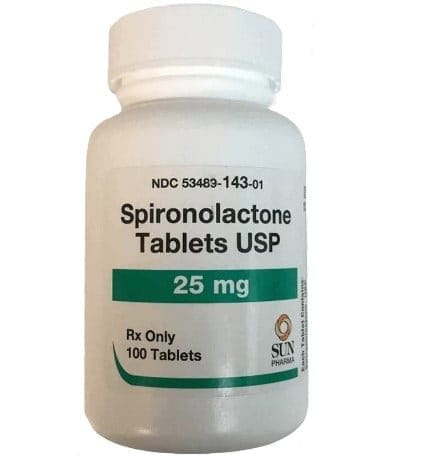
Spironolactone is often discussed as a hormone-modulating option for certain adult female acne patterns. It is not the same as a topical pimples treatment and may require monitoring for blood pressure, potassium, and medication interactions. It is also important to discuss pregnancy plans and contraindications before use.
Some linked skin products may be more relevant to overlapping rashes than to acne itself. Ketoconazole and Ketoderm are associated with antifungal therapy and may fit pages about conditions that can resemble or coexist with acne-like bumps. Their product pages can help you separate fungal or dermatitis-related concerns from typical face acne discussions.
Why it matters: Similar bumps can have different causes, so the product class matters.
Safety Points Before Narrowing Choices
Acne treatments can cause dryness, peeling, stomach upset, sun sensitivity, or irritation, depending on the class. Systemic medications may also require attention to pregnancy status, other prescriptions, kidney function, blood pressure, or lab monitoring. Do not start multiple new products at once unless a clinician directs that plan, because irritation can make results harder to interpret.
For plain-language medical background, the NIAMS acne information page explains how clogged follicles and inflammation contribute to breakouts. The American Academy of Dermatology acne resources outline common care approaches and when professional evaluation may help. These sources can support general understanding while you use this collection for site navigation.
When reviewing product pages, separate routine questions from prescribing questions. Routine questions include how a product fits morning or evening use, whether it may stain fabrics, or whether it should be stored away from heat and moisture. Prescribing questions include dose, duration, pregnancy risks, monitoring, and whether a product is appropriate for cystic acne, hormonal acne, or widespread truncal acne.
Related Skin and Hormonal Conditions
Some skin conditions can look like acne or complicate browsing. Rosacea may cause facial redness, bumps, and sensitivity, but it has different triggers and treatment planning. Skin Infection pages may be relevant when lesions are painful, spreading, draining, or associated with fever, although urgent symptoms need direct medical care.
Hidradenitis Suppurativa involves recurrent inflamed nodules, often in skin folds, and is not the same as typical facial acne. Seborrheic Dermatitis can cause flaky, irritated, oily areas that may overlap with scalp or facial concerns. Polycystic Ovary Syndrome may be useful when browsing hormone-related acne resources, especially if breakouts occur with irregular cycles or other endocrine symptoms.
These related pages help you avoid treating every bump as the same condition. They also give you a clearer vocabulary for discussing what causes acne on face areas, what may be dermatitis, and what symptoms should be assessed before choosing a product page.
Using This Collection With Your Clinician
Use this page to organize options, not to self-diagnose or change prescribed therapy. A clinician can help identify the types of acne treatment that fit lesion pattern, age, pregnancy considerations, and past response. They can also explain whether acne treatment at home is reasonable or whether an acne treatment dermatologist visit is more appropriate.
Before opening a product page, write down your current cleansers, moisturizers, prescription medicines, supplements, and any recent irritation. This makes it easier to compare oral and topical choices without focusing only on strength. If you are wondering how to get rid of acne or how to prevent acne, consistent use, gentle skin care, and correct diagnosis usually matter as much as the product category.
Dispensing and fulfilment, where permitted, are handled by licensed third-party pharmacies. Some patients also review cash-pay options based on eligibility and jurisdiction. Keep those access details separate from clinical suitability, since a prescriber should guide medication choice and follow-up.
This collection is a starting point for comparing acne products, related skin conditions, and medication classes. Open the most relevant product or condition page, then confirm the next step with a qualified healthcare professional.
This content is for informational purposes only and is not a substitute for professional medical advice.
Related conditions
All medical conditions →Frequently asked questions
About browsing Acne resources on this page.
How should I compare acne product pages?
Start by separating oral medications from topical products. Then compare the active ingredient, medication class, form, and whether the page appears focused on acne or a related skin condition. Also note safety topics such as pregnancy considerations, irritation risk, sun sensitivity, interactions, and monitoring. A clinician can help decide which option fits the breakout pattern and medical history.
What is the difference between acne and pimples?
Acne is the broader skin condition. Pimples are one possible visible sign. Acne may include blackheads, whiteheads, red bumps, pustules, nodules, or cyst-like deeper lesions. Some rashes, infections, or dermatitis can mimic acne. If symptoms are painful, spreading, scarring, or not responding as expected, professional assessment can help clarify the cause.
When is a dermatologist usually worth discussing?
A dermatologist discussion may be useful for cystic acne, scarring, frequent painful lesions, treatment irritation, or breakouts that persist despite consistent use of recommended products. It may also help when symptoms overlap with rosacea, hidradenitis suppurativa, or hormone-related concerns. Bring a list of current products and medications so the visit can focus on safe next options.
Can related condition pages help with acne browsing?
Yes. Related condition pages can help when bumps, redness, flaking, or tender nodules do not match typical acne patterns. Rosacea, seborrheic dermatitis, skin infections, hidradenitis suppurativa, and polycystic ovary syndrome may change what questions to ask. These pages support navigation and preparation, but they do not replace diagnosis or treatment planning.
Related articles
View all articles →
Non Hormonal Contraception: Options, Risks, and Fit
Non hormonal contraception means birth control that prevents pregnancy without using estrogen or progestin. Common options include the copper IUD, condoms, diaphragms,…
Read more →
Lancets for Blood Sugar Testing: Safe Selection and Use
Lancets are small sterile needles used to prick the skin for a drop of capillary blood, most often during a fingerstick blood…
Read more →
Insulin Resistance vs Insulin Deficiency: Symptoms, Tests, Care
Insulin resistance vs insulin deficiency describes two different reasons blood glucose can rise. In insulin resistance, the body still makes insulin, but…
Read more →
Metformin Benefits for Non-Diabetics: Uses and Safety
Metformin Benefits can extend beyond blood sugar control, but they are not automatic and they are not risk-free. In non-diabetic adults, clinicians…
Read more →The contents of CanadianInsulin.com are for informational purposes only and should not be considered medical advice. We do not guarantee the accuracy of the content on CanadianInsulin.com, nor do we assume any responsibility for any actions taken using the information found on our website. Always consult with your family physician or a qualified health care provider about any health or medical concerns.