Zepbound for sleep apnea may be appropriate for some adults, but it is not a blanket replacement for standard apnea treatment. The current discussion mainly involves obstructive sleep apnea (OSA), where the upper airway repeatedly narrows or collapses during sleep, in adults who also have obesity. That matters because many people hear about a new approval and assume it replaces CPAP. It does not. A clinician still needs to confirm the diagnosis, review safety issues, and decide how a medication fits with CPAP, oral appliance therapy, or other care.
CanadianInsulin.com works as a prescription referral platform, not a dispensing pharmacy.
Key Takeaways
- It targets a weight-related driver of OSA.
- It does not directly hold the airway open.
- CPAP usually remains important during reassessment.
- Eligibility depends on diagnosis, obesity, and safety review.
- Progress is judged over follow-up, not overnight.
What This Treatment Is Trying to Change
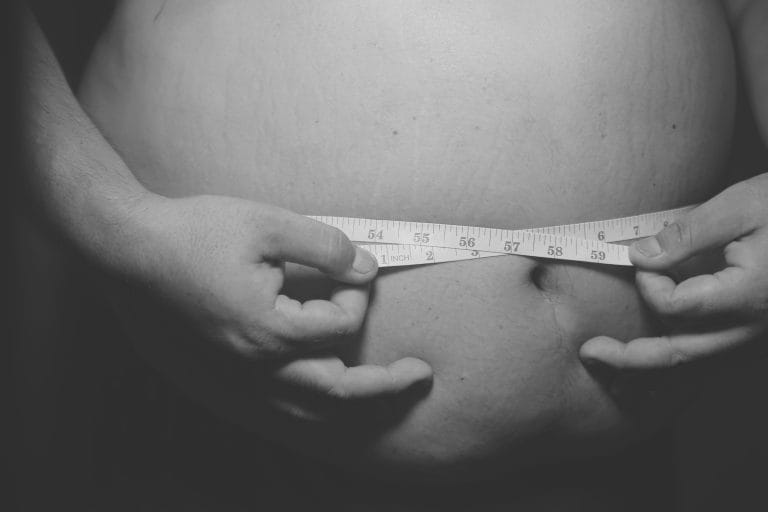
In this setting, the goal is to address a major driver of OSA: excess body weight. Zepbound contains tirzepatide, an incretin-based medicine that acts at GIP and GLP-1 receptors and may support weight loss. When excess weight contributes to upper-airway crowding, reducing that burden may improve breathing during sleep for some people.
Excess weight can affect the airway from several directions. Fat around the neck and tongue can narrow the breathing space. Abdominal weight can reduce lung volume, which can make the upper airway easier to collapse. That is one reason weight reduction can matter clinically, even though it is not the only driver of obstructive sleep apnea.
Not every loud snorer has clinically meaningful OSA, and not every patient with daytime fatigue has a weight-driven problem. Jaw structure, nasal blockage, enlarged tonsils, alcohol use, sedating medicines, and sleep position can all matter. A sleep study helps separate simple snoring, insomnia, and true obstructive breathing events before a medication decision gets attached to the phrase sleep apnea.
For background on the class itself, see GLP-1 Explained, broader GLP-1 Options, or the Weight Management Hub. If you are simply identifying the product name, the Zepbound page gives basic context.
When Zepbound for Sleep Apnea May Be Considered
It may be considered when a clinician confirms obstructive sleep apnea and believes a weight-loss medicine belongs in the larger plan. In the U.S., the FDA approval is specific to adults with obesity and moderate to severe OSA. That is narrower than snoring, restless sleep, or general daytime tiredness, and it does not apply to every form of sleep-disordered breathing.
Can you be prescribed it? Potentially, yes. The decision usually depends on the sleep apnea diagnosis, symptom burden, current treatment, medical history, and whether there are reasons the drug should not be used. Central sleep apnea, for example, has a different mechanism and usually needs a different discussion.
A sleep study still does most of the heavy lifting here. Sleep apnea often overlaps with high blood pressure, type 2 diabetes, reflux, and cardiovascular risk, so the conversation is rarely just about sleep. A clinician may look at the whole picture to decide whether a weight-focused medicine offers value beyond the overnight breathing pattern alone.
What clinicians usually review
- Apnea type and severity
- Current CPAP or oral appliance use
- Weight-related health factors
- Medication history and contraindications
- How follow-up will be measured
Patients also mix up tirzepatide brand names. Zepbound and Mounjaro contain the same active ingredient, but they are not interchangeable shorthand for every use case. The approved indication, insurance rules, and clinical reasoning still matter.
What It May Help, and What It Does Not Replace
Zepbound may improve sleep apnea indirectly by lowering weight-related pressure on the airway, but it does not directly splint the airway open while you sleep. That is the core reason it is not the same kind of treatment as CPAP.
CPAP works by sending pressurized air to keep the airway from collapsing in real time. A weight-loss medicine works through a much slower pathway. For some people, that broader change may reduce OSA severity over time. For others, the airway anatomy, age, neck structure, or other factors remain important enough that CPAP, an oral device, positional therapy, or another intervention is still needed.
| Question | Practical answer |
|---|---|
| Does it help the first night? | No direct first-night airway effect is expected. |
| Can it reduce a weight-related OSA burden? | It may, if excess weight is a meaningful driver. |
| Can CPAP be stopped after starting it? | Not automatically; that decision needs clinical review and often objective follow-up. |
| Does it treat central sleep apnea? | The obstructive sleep apnea indication does not apply to central apnea. |
Why it matters: A medicine may change the long-term load on the airway, while CPAP treats the airway during sleep.
If you are comparing the wider medication landscape, Tirzepatide vs Semaglutide, Wegovy, and Zepbound vs Ozempic can add context. They do not answer the sleep-apnea question by themselves, because sleep outcomes depend on the diagnosis and follow-up testing, not just the drug class.
Safety, Side Effects, and Monitoring
Safety review is essential because the same issues that matter in obesity treatment also matter when someone is already coping with fragmented sleep and daytime fatigue. Common side effects with tirzepatide can include nausea, vomiting, diarrhea, constipation, abdominal discomfort, and reduced appetite. Mild effects may settle, but persistent vomiting, poor fluid intake, or severe stomach symptoms should not be ignored.
More serious concerns in official labeling include pancreatitis, gallbladder problems, kidney injury related to dehydration, serious allergic reactions, and low blood sugar when the drug is used with certain diabetes medicines. The medication also carries a boxed warning about thyroid C-cell tumors seen in animals, so people with a personal or family history of medullary thyroid carcinoma or multiple endocrine neoplasia syndrome type 2 should not use it.
Monitoring often includes more than a side-effect checklist. Clinicians may track weight trend, sleep symptoms, CPAP use, blood pressure, and any signs that sleep quality is still poor despite treatment changes. If the drug causes enough nausea, dehydration, or fatigue to disrupt daily function, the plan may need adjustment rather than simple persistence.
Common reasons for closer review
- Past pancreatitis or gallbladder disease
- Use of insulin or sulfonylureas
- Frequent vomiting or dehydration risk
- Personal or family thyroid cancer history
- Severe ongoing gastrointestinal symptoms
For more on class-type adverse effects, see Zepbound Side Effects and Mounjaro Side Effects. If needed, prescription details can be checked with the prescribing clinician.
Safety questions in this setting also need a sleep-specific lens. If you remain very sleepy, have morning headaches, or your bed partner still notices breathing pauses, the airway problem may still be active even if weight is changing. Medication follow-up should not replace attention to the sleep disorder itself.
Timeline, Follow-Up, and the 3% Rule
There is no single timeline for improvement. Zepbound for sleep apnea is not a rescue treatment, and it does not act like CPAP after the first dose. Any sleep-related benefit is usually judged over follow-up visits as weight, symptoms, CPAP data, and sometimes repeat sleep testing change.
That is why clinicians usually do not tell people to stop CPAP just because they started medication. If daytime sleepiness, impaired concentration, loud snoring, or witnessed breathing pauses continue, the safer assumption is that the sleep apnea still needs direct management until a clinician says otherwise.
The 3% rule is not one universal rule for prescribing this medicine. In sleep medicine, 3% can refer to how some labs score oxygen drops during breathing events, while insurers or policy documents may use percentage thresholds for other purposes. If you see the phrase in a report, ask what number is being measured, why it matters, and whether it changes your treatment plan or only a coverage decision.
Quick tip: Bring your sleep study report, current medication list, and CPAP data summary to the visit.
Questions to Bring to Your Appointment
If you are exploring zepbound for sleep apnea, a focused set of questions can keep the visit practical. The goal is not to demand one treatment. It is to understand whether the medication fits your diagnosis, risks, and current sleep apnea plan.
Documentation matters because sleep apnea decisions often touch more than one specialty. A primary care clinician, sleep specialist, and obesity-medicine prescriber may each hold a different piece of the record. Bringing those pieces together can make the discussion faster, clearer, and safer.
- Do I have obstructive or central sleep apnea?
- How severe is my apnea right now?
- Should I stay on CPAP while treatment is assessed?
- Which side effects matter most in my case?
- How will progress be measured objectively?
- Would I need repeat sleep testing before any therapy change?
Coverage and paperwork can also affect the process. Some clinics want the sleep-study report, current medication list, weight-related history, and notes on prior treatment attempts before deciding next steps. Dispensing is handled by licensed third-party pharmacies where local rules permit.
In practice, zepbound for sleep apnea makes the most sense as one part of a broader plan. It may help a defined group of adults whose OSA is tied to obesity, but it does not remove the need for diagnosis, monitoring, or careful CPAP decisions.
Authoritative Sources
- FDA announcement on the obstructive sleep apnea approval
- NHLBI overview of obstructive sleep apnea basics
- Official Zepbound sleep apnea information from Eli Lilly
Further reading can help you separate medication questions from sleep-apnea decisions instead of mixing them together.
This content is for informational purposes only and is not a substitute for professional medical advice.