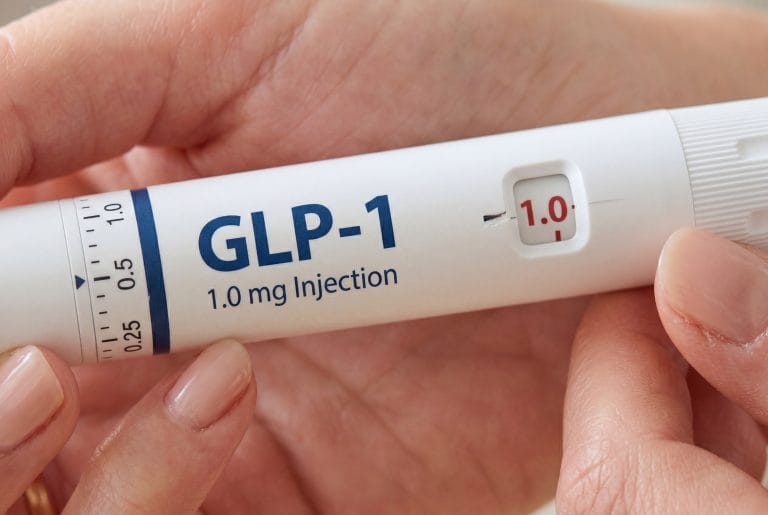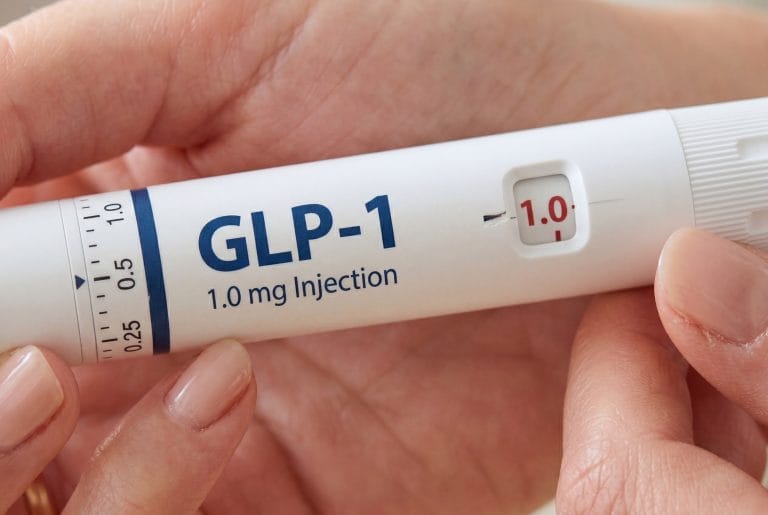
Ozempic for PCOS may help some people address weight and insulin resistance, but it is not approved specifically to treat polycystic ovary syndrome. Clinicians may consider semaglutide off-label when metabolic risks, body weight, and treatment history support that choice. The decision should also account for side effects, pregnancy plans, access rules, and alternatives such as metformin and lifestyle treatment.
Why this matters: PCOS care often involves long-term decisions, not a single medication choice.
Key Takeaways
- Off-label use: Semaglutide is not a PCOS-specific treatment.
- Main rationale: It may target weight and insulin resistance.
- Safety first: Gastrointestinal effects and rare serious risks matter.
- Compare options: Metformin, lifestyle care, and GLP-1 drugs differ.
- Plan ahead: Fertility goals and insurance rules can change the choice.
Ozempic for PCOS: What the Evidence Suggests
Current evidence suggests GLP-1 receptor agonists may improve weight and metabolic markers in some people with PCOS. PCOS, or polycystic ovary syndrome, often involves hyperandrogenism (higher androgen hormone activity), irregular ovulation, and insulin resistance. Insulin resistance means the body needs more insulin to move glucose from the blood into cells. Higher insulin levels can worsen androgen production in the ovaries, which may contribute to acne, excess facial or body hair, and irregular cycles.
Semaglutide, the active ingredient in Ozempic, activates the GLP-1 receptor. This pathway helps regulate appetite, stomach emptying, and glucose-dependent insulin release. In plain terms, many people feel full sooner and eat less. That can support weight loss and may improve metabolic stress in people whose PCOS is strongly linked with excess weight or insulin resistance.
The evidence in PCOS is still smaller than the evidence in type 2 diabetes and chronic weight management. Some studies of semaglutide and related GLP-1 medicines report weight reduction, improved insulin markers, and possible cycle improvements. These findings are encouraging, but they do not prove that semaglutide directly treats all PCOS features. Long-term reproductive outcomes remain less certain.
That distinction is important. Ozempic for PCOS is usually considered because metabolic improvement may indirectly support symptoms. It is not a cure for PCOS, and it does not replace evaluation for irregular bleeding, infertility, high androgen symptoms, sleep apnea risk, or cardiometabolic disease.
How Semaglutide Fits Into PCOS Care
Semaglutide may fit PCOS care when weight, appetite, or insulin resistance are major treatment targets. It is most often discussed when lifestyle measures and other therapies have not achieved the desired metabolic goals, or when a person also has type 2 diabetes or obesity-related risks. A clinician should review the full health picture before deciding whether the possible benefits outweigh the risks.
PCOS management is usually broader than weight management. Care may include nutrition support, physical activity, sleep improvement, cycle regulation, androgen-symptom treatment, fertility planning, and screening for glucose or lipid problems. For some readers, browsing broader Women’s Health topics may help place PCOS treatment decisions in context.
Weight loss can improve ovulation patterns for some people with PCOS, but responses vary. A person may lose weight without cycle normalization. Another may see cycle changes before reaching a specific weight target. That variability is one reason clinicians avoid using before-and-after stories as proof of expected results.
If insulin resistance is central to the care plan, lab markers may help frame the discussion. These can include A1C, fasting glucose, fasting insulin, lipids, liver enzymes, and blood pressure, depending on the person’s risks. The calculator below can help estimate HOMA-IR, a general insulin resistance estimate using fasting glucose and fasting insulin. It does not diagnose PCOS or replace clinical judgment.
HOMA-IR Calculator
Estimate insulin resistance from fasting glucose and fasting insulin values collected from the same blood draw.
These calculations are for education only and do not replace clinical advice, diagnosis, or treatment. Always confirm medical decisions with a qualified healthcare professional.
Quick tip: Bring recent labs and cycle history to your appointment if you have them.
Benefits, Side Effects, and Cautions
The potential benefit of ozempic for pcos is mainly metabolic. Semaglutide may help reduce appetite, support weight loss, and improve glucose-related measures in people who respond to treatment. These effects may also support menstrual regularity in some cases, likely through changes in weight and insulin signaling rather than a direct fertility effect.
Common side effects are usually gastrointestinal. Nausea, vomiting, diarrhea, constipation, abdominal discomfort, and reduced appetite are often discussed during dose escalation. Some effects improve as the body adjusts, but persistent vomiting or dehydration needs medical attention. People with eating disorder history, severe gastrointestinal disease, or nutrition concerns should raise those issues before starting.
More serious cautions include pancreatitis symptoms, gallbladder problems, kidney injury related to dehydration, and allergic reactions. Seek urgent care for severe or persistent abdominal pain, pain radiating to the back, repeated vomiting, fainting, swelling of the face or throat, or breathing trouble. The official label also includes specific warnings that your clinician can interpret based on your history.
Some people may not be candidates for semaglutide. Contraindications and cautions can include a personal or family history of medullary thyroid carcinoma, multiple endocrine neoplasia syndrome type 2, pregnancy, certain severe gastrointestinal conditions, or previous serious reactions to similar drugs. This is not a complete list. A prescriber should review medical history, medications, and pregnancy plans before treatment.
Metformin, Lifestyle Care, and GLP-1 Medicines
Metformin and semaglutide play different roles in PCOS care. Metformin is an insulin-sensitizing medicine that has long been used in PCOS, especially when insulin resistance, impaired glucose tolerance, or metabolic risk is present. Semaglutide is a GLP-1 receptor agonist that often has stronger appetite and weight effects, but it has less PCOS-specific long-term reproductive evidence.
When comparing metformin vs ozempic for pcos, the best question is not which drug is universally better. The more useful question is which target matters most: insulin sensitivity, weight reduction, glucose control, fertility planning, tolerability, cost, or long-term access. Some clinicians start with metformin because it is familiar in PCOS care and has a long safety history. Others may consider GLP-1 therapy when weight-related risks are prominent.
Combination therapy sometimes comes up, especially when insulin resistance and weight management are both concerns. Taking metformin and semaglutide together should only happen under medical supervision. The combination may increase gastrointestinal side effects for some people, and the overall plan should include monitoring, nutrition adequacy, and clear reasons for using both.
For a deeper medication comparison, see Semaglutide vs Metformin. If cycle changes are part of your concern, Wegovy and Menstrual Health discusses related questions about semaglutide and periods.
Fertility, Menstrual Cycles, and Pregnancy Planning
Ozempic pcos fertility questions usually involve indirect effects. If semaglutide improves weight and insulin resistance, ovulation may improve for some people. That can increase the chance of pregnancy in people who were ovulating irregularly. This possibility matters even when weight loss is the initial goal.
Semaglutide is not a fertility medication. It should not be used as a substitute for infertility evaluation, ovulation-induction treatment, or management of other reproductive conditions. People trying to conceive should discuss medication timing, contraception, and washout planning with their clinician. Many prescribers recommend stopping GLP-1 medicines before planned conception, but the timing should follow current labeling and individualized medical advice.
If pregnancy occurs while using semaglutide, contact a clinician promptly for guidance. Do not stop or restart medicines without professional review, especially if diabetes or another metabolic condition is present. For more context, see Ozempic for Pregnancy and Weight Loss Drugs While Trying to Conceive.
PCOS can also overlap with broader fertility issues. Irregular ovulation is common, but it is not the only factor. Thyroid disease, prolactin disorders, endometriosis, male-factor infertility, age, and diabetes can also affect reproductive planning. The resource Diabetes and Fertility may help readers who are managing both glucose concerns and pregnancy goals.
Access, Prescribing, and Coverage Questions
Primary care clinicians, endocrinologists, gynecologists, and obesity-medicine clinicians may prescribe GLP-1 medicines when it fits their scope and local rules. A common question is whether a gynecologist can prescribe semaglutide for PCOS. In many settings, the answer can be yes, but the decision depends on clinical appropriateness, documentation, and follow-up capacity.
How to get ozempic for pcos depends on the reason for prescribing. Because Ozempic is not approved specifically for PCOS, coverage often hinges on other documented diagnoses, such as type 2 diabetes, obesity, or related metabolic risk. Some plans may not cover it for PCOS alone. Prior authorization may require diagnosis codes, BMI or metabolic data, previous treatments, and prescriber notes.
Access pathways also vary by jurisdiction and service model. CanadianInsulin.com is a prescription referral platform, and prescription details may be confirmed with the prescriber where required. Dispensing and fulfillment are handled by licensed third-party pharmacies where permitted. Some patients explore cash-pay options or cross-border fulfillment depending on eligibility and local rules.
Before an appointment, prepare a concise summary. Include your PCOS diagnosis history, cycle pattern, weight history, glucose or insulin labs, current medications, pregnancy plans, and past side effects from metformin or other medicines. This makes the visit more efficient and helps the clinician decide whether semaglutide, metformin, lifestyle therapy, or another route is the safest next step.
Wegovy, Ozempic, and Related Drug Choices
Ozempic and Wegovy contain semaglutide, but they have different labeled uses. Ozempic is labeled for type 2 diabetes-related indications, while Wegovy is labeled for chronic weight management in eligible patients. This difference can affect prescribing rationale, documentation, and insurance review.
That distinction does not mean one product is automatically the right choice for PCOS. The relevant factors include the approved indication being used, medical history, pregnancy plans, side effect tolerance, and coverage criteria. Some clinicians may discuss other incretin-based therapies, but each option has its own indication, safety profile, and access rules.
For readers comparing medication classes, the Endocrine and Thyroid collection may provide broader context around metabolic and hormonal care. Still, product comparisons should not replace a clinician’s assessment, especially when fertility or diabetes is part of the picture.
What to Monitor After Starting Treatment
Monitoring should focus on benefit, safety, and whether the treatment still fits your goals. Weight is only one measure. Clinicians may also track appetite changes, gastrointestinal tolerance, blood glucose markers, lipids, blood pressure, menstrual pattern, and quality-of-life concerns. If you use glucose-lowering medicines, ask how hypoglycemia risk should be monitored.
Nutrition deserves attention because appetite can fall quickly. Smaller meals, enough protein, fiber, and fluids may reduce discomfort for some people. People with kidney disease, pregnancy plans, a history of disordered eating, or repeated vomiting should get individualized guidance. A registered dietitian can help when food intake becomes too low or restrictive.
Set realistic expectations. Weight change varies, and no calculator or anecdote can predict an individual result. Online ozempic pcos before and after posts may reflect selective experiences, different doses, different baseline risks, and different lifestyle supports. They can raise useful questions, but they should not define your medical goals.
Authoritative Sources
For PCOS diagnosis and treatment principles, review the 2023 International Evidence-Based PCOS Guideline. It emphasizes individualized care, lifestyle support, and risk-based treatment decisions.
For label-backed safety information, the FDA provides the official Ozempic drug approval record. Prescribing details should be interpreted with a licensed clinician.
For clinical background on PCOS, the NICHD PCOS health topic summarizes symptoms, causes, and reproductive concerns in patient-friendly language.
Recap
Ozempic for PCOS is best understood as an off-label metabolic option, not a PCOS cure. It may help some people with weight and insulin resistance, but the evidence base is still developing. Safety screening, fertility planning, side effect monitoring, and alternative treatments all matter.
If you are considering semaglutide, ask your clinician what problem it is meant to address, how success will be measured, what risks apply to you, and what the plan is if side effects or pregnancy plans arise. That conversation is more useful than relying on before-and-after stories or assuming one medication fits every PCOS case.
This content is for informational purposes only and is not a substitute for professional medical advice.