


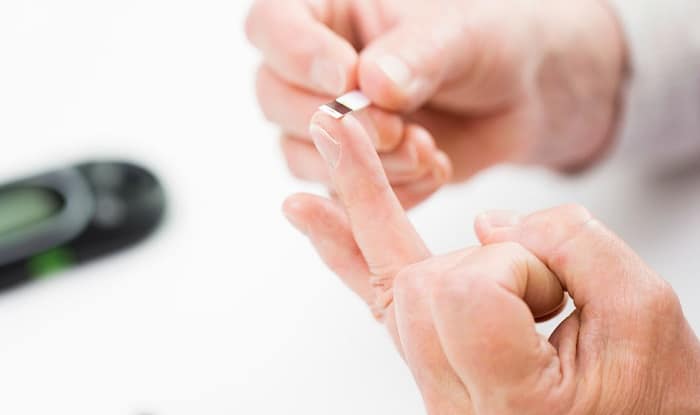
Hypoglycemic shock is severe low blood sugar that can quickly affect thinking, speech, coordination, and consciousness. Early hypoglycemic shock symptoms often include shaking, sweating, hunger, anxiety, dizziness, and a fast heartbeat. If glucose keeps falling, confusion, slurred speech, seizures, or loss of consciousness can occur. Fast action matters because the brain depends on a steady glucose supply.
This page explains how diabetic shock signs usually progress, what commonly causes severe lows, and what first aid is appropriate at home or in public. It also clarifies when to use glucagon and when to call emergency services.
Key Takeaways
- Act early: Treat mild signs before confusion develops.
- Check if possible: Confirm glucose, but do not delay urgent care.
- Use fast carbohydrates: Give sugar only if the person can swallow safely.
- Escalate quickly: Use glucagon and call emergency services for unconsciousness, seizures, or unsafe swallowing.
- Review patterns: Repeated lows need clinician review of food, activity, alcohol, illness, and medications.
What Hypoglycemic Shock Means
Hypoglycemic shock is a plain-language term for severe hypoglycemia, meaning blood glucose falls low enough to impair brain function. Clinicians often describe the brain effects as neuroglycopenia (too little glucose reaching the brain). This can cause confusion, unusual behavior, seizures, coma, or rarely death.
The term “diabetic shock” is also used in everyday speech, especially when low blood sugar happens in someone using insulin or another glucose-lowering medicine. It is not the same as high blood sugar emergencies. The treatment is different, so recognizing the pattern matters.
Many organizations use blood glucose below 70 mg/dL, or 3.9 mmol/L, as a level that needs action. Readings below 54 mg/dL, or 3.0 mmol/L, are often considered clinically significant. Severe hypoglycemia can happen at different measured levels, however, because symptoms and risk also depend on the person, speed of decline, and awareness of lows.
If you want more detail on overlapping terminology, the related page on Insulin Shock Signs explains how “insulin shock” and severe low glucose are often discussed in practice.
Early Diabetic Shock Signs and Severe Symptoms
The first signs of diabetic shock often come from the body’s stress response to falling glucose. These warning signs may include trembling, sweating, hunger, nausea, anxiety, paleness, chills, tingling lips, or a pounding heartbeat.
As the glucose supply to the brain worsens, symptoms can shift from physical warning signs to thinking and behavior changes. A person may seem irritable, drowsy, unsteady, unusually quiet, or drunk. They may have blurred or double vision, trouble speaking, poor coordination, headache, or difficulty following simple directions.
Severe hypoglycemic shock symptoms include seizures, inability to swallow, loss of consciousness, or coma. These signs need emergency action. Do not try to force food or drink into the mouth of someone who is unconscious or not able to swallow safely.
How symptoms can look in real life
Some people feel obvious warning signs. Others develop hypoglycemia unawareness, where early symptoms are reduced or absent. This can happen after repeated lows. It is especially important for these individuals to discuss monitoring targets, alert settings, and safety plans with their diabetes care team.
Symptoms may also vary by age and setting. During sleep, a person may have nightmares, restless sleep, morning headaches, unusual fatigue, or damp sheets from sweating. During exercise, shakiness or dizziness may be mistaken for exertion. During alcohol use, confusion may be misread as intoxication.
Why it matters: Confusion can prevent a person from treating their own low blood sugar.
Common Causes of Severe Low Blood Sugar
Hypoglycemic shock usually happens when insulin effect is too strong for the amount of available glucose. This can occur from medication timing, reduced food intake, activity changes, alcohol, vomiting, illness, or kidney and liver problems that affect medication handling.
Common causes of low blood sugar include taking insulin and then delaying a meal, eating fewer carbohydrates than expected, using a correction dose too close to another dose, or exercising without a plan for extra monitoring or carbohydrates. Some non-insulin diabetes medicines can also increase hypoglycemia risk, especially when meals are missed.
Alcohol can be a major contributor because it may impair the liver’s ability to release glucose. Drinking on an empty stomach raises concern. Vomiting, diarrhea, or reduced appetite can also create a mismatch between usual medication and actual intake.
Kidney disease can prolong the effect of some glucose-lowering medicines. Liver disease, adrenal problems, and major illness can also increase risk. Older adults, people with prior severe lows, and those with hypoglycemia unawareness may need extra safeguards.
For a closer look at sudden insulin-related reactions, see Insulin Reaction. If seizure risk is a concern, the related discussion of Diabetic Seizures may help you understand warning signs and prevention planning.
First Aid When Blood Sugar Is Low
Hypoglycemia first aid depends on whether the person is awake, alert, and able to swallow. If they can swallow safely, give fast-acting carbohydrate. If they are confused but still able to cooperate, stay with them and keep the steps simple.
A common approach is to give about 15 grams of fast carbohydrate, then recheck glucose after 15 minutes if a meter or continuous glucose monitor is available. Examples often include glucose tablets, glucose gel, regular soda, juice, or another quick sugar source. Repeat treatment may be needed if glucose remains low.
Avoid high-fat foods as the first treatment. Chocolate, pastries, or large meals may slow glucose absorption. After the level improves and the next meal is not soon, a longer-acting snack may help reduce recurrence. Follow the person’s care plan when one is available.
If you are unsure whether symptoms are from low or high blood sugar, check glucose if possible. If checking is not possible and the person is awake and able to swallow, many first aid plans prioritize treating suspected low blood sugar because untreated severe hypoglycemia can worsen quickly. Do not delay emergency care for severe symptoms.
For a step-by-step companion resource, see What To Do When Blood Sugar Is Low.
When to use glucagon
Glucagon is used for severe hypoglycemia when a person cannot safely take sugar by mouth, is unconscious, is having a seizure, or cannot cooperate with oral treatment. It comes in different forms, such as injectable or nasal products, depending on what has been prescribed.
Caregivers, family members, roommates, coaches, and coworkers should know where glucagon is stored and how to use the specific product. After giving glucagon, call emergency services unless the care plan clearly says otherwise. The person may need monitoring because low blood sugar can return.
Quick tip: Keep fast sugar and glucagon in a visible, consistent location.
The glucose unit converter below can help compare mg/dL and mmol/L readings when reviewing logs, devices, or care instructions. It is a conversion aid only and does not replace clinical guidance.
Blood Glucose Unit Converter
Convert glucose readings between mg/dL and mmol/L without changing the clinical value.
These calculations are for education only and do not replace clinical advice, diagnosis, or treatment. Always confirm medical decisions with a qualified healthcare professional.
When Emergency Care Is Needed
Call emergency services if the person is unconscious, having a seizure, unable to swallow, severely confused, injured, pregnant with severe symptoms, or not improving after repeated fast carbohydrates. Emergency treatment may include intravenous dextrose, glucagon, airway support, and close glucose monitoring.
Emergency clinicians also look for the cause. They may review recent insulin doses, missed meals, alcohol use, exercise, infection, vomiting, kidney function, liver function, and other medicines. This matters because some episodes recur after the first correction, especially when a long-acting medicine is still active.
After recovery, follow-up with a clinician is important. A severe low may mean the current plan needs adjustment. Do not change prescribed insulin or diabetes medicines on your own unless your care team has already provided written instructions for that situation.
Medical identification jewelry, phone emergency settings, and written instructions can help bystanders respond faster. People who live alone may also discuss continuous glucose monitor alerts, overnight alarms, or check-in plans with their care team.
Hypoglycemia vs Hyperglycemia: Why the Difference Matters
Hypoglycemia means blood sugar is too low. Hyperglycemia means blood sugar is too high. Both can be dangerous, but they require different responses.
Low blood sugar symptoms often develop quickly and may include shaking, sweating, hunger, anxiety, confusion, weakness, or seizures. High blood sugar emergencies may involve intense thirst, frequent urination, nausea, abdominal pain, fruity-smelling breath, deep breathing, dehydration, or drowsiness. Ketones may be present in diabetic ketoacidosis.
If a person with diabetes is confused or unwell, checking glucose gives the fastest clue. Some emergencies involve both glucose concerns and dehydration or illness, so severe symptoms should not be managed by guesswork alone.
For a deeper comparison, see Diabetic Coma vs Insulin Shock. You can also browse broader diabetes education in the Diabetes Articles section.
Prevention and Aftercare Planning
Prevention starts with pattern recognition. Write down the time of the low, glucose reading, symptoms, recent food, insulin or medication timing, activity, alcohol, illness, and any unusual stress. Patterns often reveal the trigger.
People who use insulin may need to coordinate meal timing, correction doses, and exercise more closely. This does not mean changing treatment without guidance. It means bringing accurate records to the care team so they can assess the plan safely.
Carry fast carbohydrates when away from home. Replace expired supplies. Keep glucagon accessible, not locked away. Teach trusted people how to recognize severe hypoglycemic shock symptoms and how to respond if you cannot speak for yourself.
Nighttime prevention may involve CGM alerts, bedtime checks, planned snacks, or medication review when clinically appropriate. Exercise prevention may include checking before, during, and after activity, especially when routines change. Pregnancy, kidney disease, gastroparesis, eating disorders, and recurrent severe lows all warrant individualized medical review.
CanadianInsulin.com provides educational content and prescription referral support; when required, prescription details may be confirmed with the prescriber, while dispensing is handled by licensed third-party pharmacies where permitted. For navigation rather than medical advice, the Diabetes Condition page and Diabetes Product Category page list diabetes-related options.
Authoritative Sources
The CDC low blood sugar resource outlines common symptoms, causes, and treatment basics for hypoglycemia in diabetes.
The NIDDK hypoglycemia overview explains low blood glucose warning signs and prevention considerations for people with diabetes.
The ADA Standards of Care section describes clinical hypoglycemia categories and glycemic goals used in diabetes care.
Hypoglycemic shock is preventable in many situations, but it can become dangerous fast. Learn your warning signs, keep treatment supplies available, involve trusted people, and seek urgent help when swallowing, awareness, or seizure activity becomes a concern.
This content is for informational purposes only and is not a substitute for professional medical advice.











