Low blood sugar in dogs means blood glucose has dropped below the level needed to fuel the brain and muscles. It can become serious quickly, especially in dogs receiving insulin for diabetes. Mild episodes may cause hunger, trembling, weakness, or confusion. Severe episodes can lead to seizures, collapse, coma, or death without urgent care.
If your dog is awake, alert enough to swallow, and you suspect a mild low, contact your veterinary team and follow the emergency plan they gave you. If your dog is collapsing, seizing, unconscious, repeatedly vomiting, or exposed to a toxin, treat it as an emergency and seek veterinary care immediately.
Key Takeaways
- Act early: trembling, wobbliness, hunger, or confusion can worsen fast.
- Confirm when possible: test glucose if you can do so safely.
- Prioritize emergencies: seizures, collapse, or unconsciousness need urgent care.
- Look for triggers: missed meals, insulin errors, exercise, illness, and toxins matter.
- Track patterns: logs help your vet adjust the broader diabetes plan.
What Low Blood Sugar Means in Dogs
Hypoglycemia in dogs is a low level of circulating glucose, the main sugar used for quick energy. Glucose comes from food, stored liver glycogen, and normal metabolic processes. When supply drops or insulin effect is too strong, the brain may not receive enough fuel.
Many veterinarians use about 60 mg/dL, or 3.3 mmol/L, as a practical level where hypoglycemia becomes clinically important. Some dogs show signs near this range, while others look abnormal at slightly higher or lower values. The number matters, but behavior matters too.
For dogs with diabetes, low blood sugar in dogs often happens when insulin, food, and activity do not line up. A dog may receive the usual insulin dose but eat less than expected. Another dog may exercise harder than usual during the insulin’s strongest effect. These mismatches can create a sudden drop.
Dogs without diabetes can also become hypoglycemic. Puppies, toy breeds, working dogs after intense exertion, and dogs with liver disease, sepsis, endocrine disease, or insulin-secreting tumors may be at higher risk. If lows happen repeatedly without a clear insulin-related reason, your veterinarian may recommend deeper testing.
Why it matters: A dog with neurologic signs may need treatment before a perfect glucose reading is available.
How a Dog Acts When Blood Sugar Is Low
The symptoms of low blood sugar in dogs often start subtly, then become more neurologic. Early changes may look like restlessness, sudden hunger, shivering, weakness, or clingy behavior. Some dogs seem anxious, stare into space, or stop responding normally.
As glucose falls further, signs may include wobbliness, disorientation, glassy eyes, twitching, stumbling, or unusual sleepiness. Severe hypoglycemia can cause seizures, collapse, loss of consciousness, and coma. A dog hypoglycemia seizure is always an emergency.
Common signs to watch for include:
- Appetite change: sudden hunger or refusal to eat.
- Body tremors: shaking, twitching, or muscle weakness.
- Gait changes: wobbling, stumbling, or collapsing.
- Mental changes: confusion, dullness, anxiety, or agitation.
- Severe signs: seizures, unconsciousness, or coma.
These signs overlap with other emergencies. Heat illness, toxin exposure, neurologic disease, shock, and severe infections can also cause weakness or collapse. If you are unsure, it is safer to call a veterinarian or emergency clinic rather than wait for signs to progress.
Dogs treated with insulin need special attention after any unusual episode. If you suspect an insulin timing or dose problem, review the warning signs in Insulin Overdose Symptoms Dogs and contact your veterinary team for individualized instructions.
Dog Glucose Levels and Home Testing
Blood glucose values are most useful when paired with symptoms, meal timing, insulin timing, and recent activity. A single number can mislead if you do not know when it was taken in the insulin cycle. Your veterinarian may ask you to track readings at specific times, including before insulin and near the expected low point.
Glucose may be reported as mg/dL or mmol/L, depending on the meter or clinic. A general conversion tool can help you compare units in your log, but it does not diagnose your dog or replace veterinary guidance.
Blood Glucose Unit Converter
Convert glucose readings between mg/dL and mmol/L without changing the clinical value.
These calculations are for education only and do not replace clinical advice, diagnosis, or treatment. Always confirm medical decisions with a qualified healthcare professional.
Many owners ask what is considered low blood sugar in dogs. In clinical discussions, values below about 60 mg/dL, or 3.3 mmol/L, are often treated as concerning, especially when signs are present. Your dog’s target range may differ if they are newly diagnosed, poorly regulated, recovering from illness, or using a specific insulin plan.
Home testing usually uses a small blood sample from the ear, lip, paw pad, or another vet-approved site. Veterinary-calibrated glucometers are preferred because canine blood differs from human blood. Human meters may read differently, so avoid making major decisions from a human meter unless your veterinarian has explained how to interpret it.
Quick tip: Write down the glucose value, time, food intake, insulin time, activity, and symptoms together.
Continuous glucose monitors may help some dogs by showing trends over several days. They measure glucose in interstitial fluid, not directly in blood, so readings can lag during rapid changes. Your veterinarian can help decide whether a meter, a glucose curve, a monitor, or clinic testing best fits your dog.
If your dog has diabetes and you are still learning the condition, Diabetes Dogs Signs Symptoms Causes Treatment gives broader context on diagnosis, monitoring, and long-term care.
Safe First Steps During a Suspected Mild Low
How to treat low blood sugar in dogs at home depends on whether the dog is conscious, able to swallow, and showing mild or severe signs. If your dog is awake and can swallow normally, your veterinarian may advise a small meal or a fast sugar source followed by food. The food helps keep glucose from dropping again after the quick sugar wears off.
Do not force food, water, honey, syrup, or any liquid into a dog that is seizing, unconscious, very weak, or unable to swallow. This can cause choking or aspiration. If your vet has already taught you to rub a small amount of sugar source on the gums during an emergency, follow that plan while arranging immediate care.
Many people ask how much honey to give a dog with low blood sugar. The safest answer is to use the specific amount and method your veterinarian has given for your dog’s size, medical history, and diabetes plan. Online amounts can be unsafe because toy breeds, large dogs, vomiting dogs, and dogs with seizures need different handling.
After a mild episode improves, do not assume the problem is over. Glucose can fall again, especially if long-acting insulin is still active or the dog vomits the follow-up food. Recheck if your vet has asked you to test, continue close observation, and call your clinic for advice on the next meal and insulin timing.
Never change an insulin dose on your own after one low reading unless your veterinarian has already provided written instructions for that situation. If your dog uses insulin, Insulin Dogs explains the role of insulin types, timing, and monitoring in general terms.
Common Causes and Higher-Risk Dogs
The most common cause in a dog with diabetes is too much insulin effect for the available glucose. That does not always mean the dose was measured wrong. It can also happen when a dog skips a meal, eats less, vomits, has diarrhea, loses weight, exercises more, or develops another illness.
Measurement errors can also matter. Syringes can be misread, insulin products can be confused, and more than one caregiver may accidentally give a dose. Keep one written dosing record in a shared place if multiple people help care for your dog.
Dogs without diabetes can develop hypoglycemia for different reasons. Puppies and very small breeds have limited energy reserves. Hunting dogs and other highly active dogs may use glucose rapidly during prolonged work. Severe infection, liver dysfunction, some endocrine disorders, and certain cancers can interfere with glucose balance.
Insulinoma is one important cause of repeated unexplained lows. This tumor can release insulin inappropriately and cause episodic weakness, trembling, collapse, or seizures. If your dog has recurrent hypoglycemia without a clear meal, exercise, or medication trigger, ask your veterinarian whether further evaluation is needed. For a deeper look at this diagnosis, see Insulinoma in Dogs.
Toxins can also cause dangerous hypoglycemia. Xylitol, a sweetener found in some sugar-free gum, candy, baked goods, dental products, and supplements, can trigger rapid insulin release in dogs. Suspected xylitol exposure needs urgent veterinary care, even before signs appear.
When It Becomes an Emergency
Seizures, collapse, unconsciousness, severe confusion, or repeated vomiting make low blood sugar in dogs an emergency. Do not wait to see if the dog sleeps it off. The brain depends heavily on glucose, and prolonged hypoglycemia can be life-threatening.
Seek urgent care if any of the following occur:
- Seizure activity: shaking, paddling, or loss of awareness.
- Collapse: inability to stand or repeated falling.
- Unsafe swallowing: drooling, choking risk, or unconsciousness.
- Possible toxin: xylitol or unknown product exposure.
- Insulin error: extra dose, wrong insulin, or uncertain amount.
- Persistent signs: weakness or confusion that returns after food.
If a diabetic dog becomes deeply lethargic, unconscious, or unresponsive, complications can progress quickly. Diabetic Coma Dogs explains why severe glucose-related emergencies require rapid stabilization and veterinary monitoring.
Call ahead when possible so the clinic can prepare. Bring the insulin bottle or pen, syringes, meter, food information, recent glucose readings, and any suspected toxin packaging. These details help the veterinary team identify the likely trigger faster.
Prevention: Matching Food, Insulin, and Activity
Prevention focuses on predictable routines and early communication with your veterinary team. Feed measured meals at consistent times, give insulin exactly as prescribed, and keep activity patterns as steady as practical. Sudden changes should prompt closer observation.
Dogs with diabetes often benefit from a written sick-day plan. This plan may cover what to do if the dog refuses food, vomits, has diarrhea, seems weak, or receives an uncertain insulin dose. Your veterinarian can also explain when to test, when to call, and when to go directly to emergency care.
Exercise can lower glucose, especially during peak insulin effect. Active dogs may need planned snacks or schedule adjustments, but those choices should come from your care team. Hunting dog hypoglycemia is a useful example: prolonged exertion, excitement, cold exposure, and delayed meals can combine to drain energy reserves.
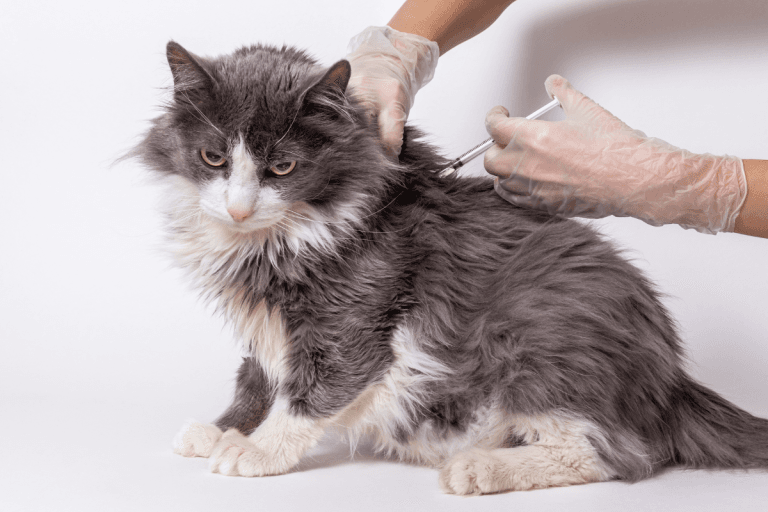
Review injection technique periodically. Ask your clinic to watch you draw up and give insulin if lows repeat or glucose swings are unpredictable. Small technique errors can create large effects in small dogs.
Keep a simple log rather than relying on memory. Note meals, treats, insulin time, insulin amount, exercise, symptoms, vomiting, medications, and glucose readings. Patterns often become clearer after several days of consistent notes.
How Veterinarians May Investigate Recurrent Lows
Veterinarians investigate recurrent hypoglycemia by looking for patterns, confirming glucose, and checking for underlying disease. The first step is often a careful history. Meal timing, insulin handling, syringe type, exercise, weight change, vomiting, diarrhea, and possible toxin exposure all matter.
Testing may include a blood glucose reading, chemistry panel, complete blood count, urinalysis, and sometimes paired insulin and glucose measurements. If liver disease, infection, endocrine disease, or insulinoma is suspected, your veterinarian may recommend additional imaging or specialty testing.
For dogs with diabetes, the plan may include a glucose curve or review of continuous monitor data. The goal is not just to raise one low reading. The goal is to understand why the low happened and reduce the chance it happens again.
Bring your records to visits. A clear log can show whether lows cluster after exercise, after missed meals, near a certain insulin time, or during illness. That information is often more useful than a single reading taken after the dog has already improved.
Authoritative Sources
For clinical mechanisms and causes of hypoglycemia in animals, see the Merck Veterinary Manual hypoglycemia review.
For peer-reviewed discussion of causes and diagnostic approach, review this veterinary hypoglycemia article in PMC.
For practical canine diabetes monitoring and emergency context, Cornell offers canine diabetes management information.
Low blood sugar in dogs is manageable when mild episodes are recognized early, but severe signs need urgent care. Work with your veterinarian to build a plan for meals, insulin, exercise, testing, and emergencies. Keep written instructions where every caregiver can find them.
This content is for informational purposes only and is not a substitute for professional medical advice.