Planning a trip adds steps when you manage weekly injections. If you’re learning how to travel with Zepbound, use this guide to keep your medication safe, compliant, and ready when you need it. You’ll prepare for airport screening, temperature control, and delays without stressing your routine.
Key Takeaways
- Carry-on only – Keep pens with you; avoid checked-bag temperature swings.
- Protect from heat – Use a compact cooler and monitor temperatures.
- Label and document – Bring prescriptions and original packaging for screening.
- Time zones wisely – Adjust injection timing gradually when possible.
- Plan for delays – Pack spares and a back-up cooling method for contingencies.
How to Travel with Zepbound: Step-by-Step Basics
Zepbound (tirzepatide) is a GLP-1/GIP agonist (hormone-mimic that helps appetite and glucose). The safest approach is simple: keep your pens in your carry-on, shield them from heat, and bring documents. Pack your medication in a small, dedicated pouch so it’s easy to present at security. Keep the prescription label and your prescriber’s details with the medication to avoid screening delays.
Pack enough for the full trip plus one extra dose. Include alcohol swabs, pen needles, and a compact thermometer. If you use a cooling sleeve or travel case, pre-chill per the manufacturer’s instructions. For storage thresholds and handling nuances, see Zepbound Storage Guide to confirm temperature limits before packing.
Storage and Zepbound Refrigeration Rules
Most pens should be refrigerated before first use. After first use, pens may tolerate limited room-temperature windows if kept below the stated maximum. Always check the current product label because storage allowances can change. Lilly’s prescribing information lists official storage temperatures and in-use time. Carry a small thermometer so you can verify the environment in hotels, planes, or cars.
To manage zepbound refrigeration needs on the go, use a cooler insert or phase-change pouch rather than loose ice. Avoid direct contact between pens and ice packs to prevent freezing. If a pen accidentally freezes, do not use it. For related temperature science, this overview on Semaglutide Refrigeration explains thresholds that also guide travel packing choices.
Carry-On, TSA, and Security Screening
Medication is allowed through security in reasonable quantities. You can bring gel packs or frozen ice packs to keep medicine cold, even if partially melted. Review the Transportation Security Administration’s TSA medication rules for specifics and exemptions. Present your supplies at the start of screening, and tell officers you are carrying injectable medication and cold packs.
If officers ask, explain you are traveling with a weekly injection and temperature-control accessories. A printed prescription helps reduce questions. For packing workflows specific to injections, see Traveling With Diabetes because insulin-handling habits transfer well to GLP-1/GIP therapy. When needed, use clear zip pouches so items remain visible and organized while screening, which can shorten the process when traveling with zepbound tsa guidelines in mind.
Packing Cases, Coolers, and Accessories
A good travel setup keeps pens protected, organized, and within a narrow temperature range. Choose a compact case that fits your bag and allows airflow around gel packs. Many people prefer a structured pouch with elastic loops for pens and needles, plus a pocket for documents. If you use an insulin cooler travel case, pre-chill it per instructions and test it at home before your trip.
Consider a pen sleeve to reduce impact and light exposure. Add a small temperature logger or card-style thermometer to confirm conditions during long transfers. For protective gear ideas, browse Insulin Vial Accessories to compare case features that also suit pens. If you rotate injection sites during trips, reviewing Zepbound Injection Sites can help maintain consistent technique away from home.
Flying and International Rules
Pressurized cabins and airplane temperatures usually stay within safe ranges for short flights, but overhead bins can warm. Keep your medication under the seat in a small cooler pouch and avoid placing it near heating vents. For longer flights, ask for ice or a cold compress early if your packs warm. If you’re researching how to travel with zepbound on a plane, practice your packing layout before departure to streamline screening and reduce handling.
International travel adds customs considerations. Keep medication in original packaging with your name, prescription, and dosage visible. Some countries restrict needles or require a doctor’s note. The Centers for Disease Control and Prevention provides practical advice on carrying medicines abroad; see the CDC’s guidance on traveling with medicines to prepare documents and packing lists. For destination-specific safety and routine planning, scan our Weight Management Articles to align diet and activity with your regimen.
Dose Timing, Heat, and Time Zone Changes
Keep your injection day consistent when possible. If you cross time zones, adjust by several hours in one direction rather than making sharp jumps. Many travelers choose a stable “home time” for the first week, then shift gradually toward local time. If you are taking zepbound on vacation, plan eating patterns and hydration to minimize nausea, especially on active sightseeing days.
Heat is the biggest risk. Do not leave medication in parked cars, window sills, or direct sun. Beach trips and hikes require extra cooling capacity and shade. For alcohol and appetite considerations during holidays, this overview on Zepbound and Alcohol explains interactions so you can pace drinks and meals. To keep nutrition steady while traveling, consult our Zepbound Diet Plan for practical food swaps on the go.
What to Pack and Label
Use a checklist: pens, needles, alcohol swabs, sharps container, thermometer, cooling pouch, and documentation. Carry a physician letter describing your medication and supplies, especially for international crossings. Bring a small, puncture-resistant sharps container, or use a travel-approved alternative to hold used needles until you return home. Label everything clearly so hotel staff or security can recognize medical items quickly.
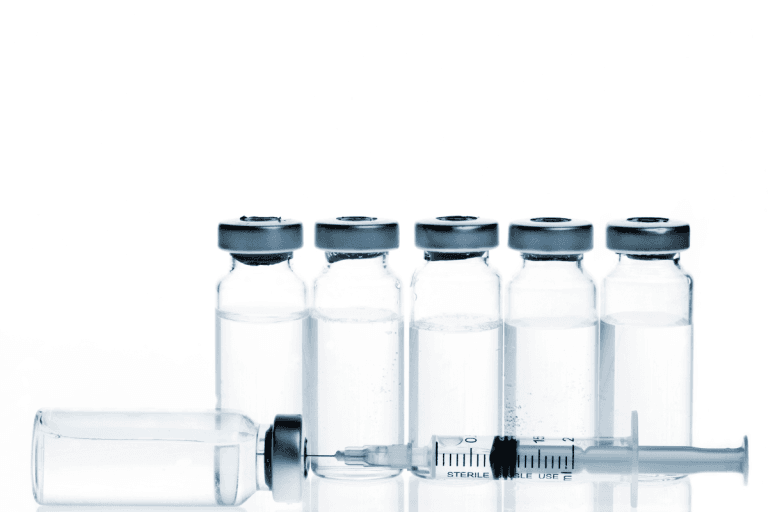
If you use vials or backup syringes, pack them upright inside a rigid case to prevent cracks. Keep syringes sealed until use, and store them away from gel packs to prevent moisture. When traveling with zepbound vials and syringes, include duplicates in a separate carry-on pocket in case one pouch is lost. For related organization strategies, compare layouts in Travel With Ozempic for parallel packing tips that apply to weekly pens.
Troubleshooting: Warm Pens, Delays, and Replacements
Delays happen. If your cooling pack warms, ask flight attendants for fresh ice and re-chill gel packs in a sealed bag. In hotels, use the in-room fridge, but check temperatures with your thermometer because some units freeze intermittently. If a pen seems too warm or has frozen once, follow the product label: when in doubt, discard and use a spare.
For long, hot connections, add a secondary cooling method like a phase-change sleeve. Keep your spare dose separate from the primary supply to reduce single-point failure. If you need to adjust meals during disruptions, these Traveling With Diabetes tips outline snack planning that stabilizes energy during transit. To understand storage failure signs and time limits, revisit the Zepbound Storage Guide before departure so decisions are clear under pressure.
Recap
Successful trips hinge on three habits: carry-on transport, temperature control, and documentation. A tested cooler pouch, clear labels, and a spare dose reduce risk if flights change or bags misroute. Build your checklist in advance, and practice your screening routine to minimize stress on travel day.
Tip: Do a 24-hour at-home “travel rehearsal.” Pack everything, monitor temperatures, and time your injection as if you’re in transit. Small practice runs expose packing gaps before you fly.
This content is for informational purposes only and is not a substitute for professional medical advice.