Understanding what is glucagonoma helps patients, families, and clinicians align on next steps. This rare pancreatic tumor raises glucagon, which disrupts glucose balance and skin health. Early recognition supports timely testing and coordinated care.
Key Takeaways
- Rare tumor: Glucagonoma arises from pancreatic alpha cells producing glucagon.
- Common clues: Weight loss, new diabetes, and a characteristic migratory rash.
- Core workup: Fasting glucagon levels plus cross‑sectional and receptor imaging.
- Treatment mix: Surgery when feasible, plus symptom‑control and anti‑tumor therapies.
What Is Glucagonoma
Glucagonoma is a pancreatic neuroendocrine tumor (NET) that originates from alpha cells. These cells normally release glucagon, a hormone that raises blood sugar. Tumor cells overproduce glucagon, which can cause profound metabolic changes and a distinctive skin eruption. Although uncommon, it can be serious without appropriate evaluation.
Clinicians consider this tumor when patients present with unexplained weight loss, persistent high blood sugars, and a chronic rash. Because many conditions can mimic its features, clinicians confirm the diagnosis with blood tests and imaging. Clear definitions matter, since identifying the correct tumor type guides the entire treatment plan.
Signs and Symptoms
Typical glucagonoma symptoms include unintentional weight loss, new or worsening diabetes, mouth soreness, and abdominal discomfort. Many patients develop a painful, migrating rash, often in skin folds or around the mouth. Blood clots in the legs, diarrhea, and fatigue can also occur. Together, these findings suggest hormone excess and warrant targeted testing.
The rash may blister or peel and can wax and wane. Elevated glucagon often drives muscle wasting and worsens glucose control. For a structured overview of clinical features, see Glucagonoma Causes Symptoms And Treatment, which adds broader context for differential thinking. Because glucagon opposes insulin’s effects, reviewing Difference Insulin Vs Glucagon can clarify hormone actions and symptom patterns.
For cross‑topic reading on endocrine disorders, the Endocrine Thyroid category offers adjacent hormone‑related articles that support foundational understanding.
Causes and Risk Factors
Most glucagonomas occur sporadically, without a clear trigger. A subset appears with inherited tumor syndromes, particularly multiple endocrine neoplasia type 1 (MEN1). People with a strong family history of endocrine tumors, or known MEN1, merit earlier evaluation if suggestive symptoms appear.
Risk may rise with age, and cases are reported across sexes. Because hereditary forms can cluster with other endocrine tumors, clinicians may recommend genetic counseling and broader screening when the history fits. The Genetic and Rare Diseases Information Center provides a balanced overview of glucagonoma features and rarity (NIH GARD disease summary), which can orient families to core facts.
Diagnosis and Blood Tests
A structured approach anchors accurate glucagonoma diagnosis. Clinicians start with fasting plasma glucagon, which is typically elevated well above normal in this condition. They also assess glucose control with fasting glucose and HbA1c, and screen for nutritional deficiencies linked to chronic catabolism. Additional laboratory markers, such as chromogranin A, may support the NET diagnosis.
Confirmatory steps include ruling out more common causes of weight loss, dermatitis, and hyperglycemia. The pattern of lab abnormalities, combined with imaging, provides diagnostic confidence. For an integrated summary of clinical presentation and early steps, see Glucagonoma Causes Symptoms And Treatment, which compiles high‑yield signs for primary assessment.
Imaging and Staging
After biochemical suspicion, imaging defines tumor location and spread. Contrast‑enhanced CT or MRI typically evaluates the pancreas and liver. Somatostatin receptor–based imaging, such as gallium‑68 DOTATATE PET/CT, can identify both primary and metastatic disease by targeting receptor‑positive cells. Together, these tools stage disease and guide treatment planning.
Staging considers tumor size, lymph node involvement, and distant metastases, most commonly to the liver. Accurate staging helps estimate prognosis and select therapies, including surgery, systemic agents, or peptide receptor radionuclide therapy. For consensus‑style guidance on neuroendocrine tumor evaluation, see the National Cancer Institute’s material on neuroendocrine tumors (NCI overview of NETs), which outlines principles relevant to pancreatic NETs.
Readers exploring oncology context can scan the Cancer articles category for broader tumor staging discussions and supportive care insights.
Treatment Overview
Management combines tumor‑directed therapy and symptom control, tailored to stage and fitness. Curative surgery is preferred for localized disease. For unresectable or metastatic cases, treatments may include somatostatin analogs (hormone‑suppressing drugs), targeted therapies, cytotoxic chemotherapy, and peptide receptor radionuclide therapy (PRRT), chosen by specialty teams.
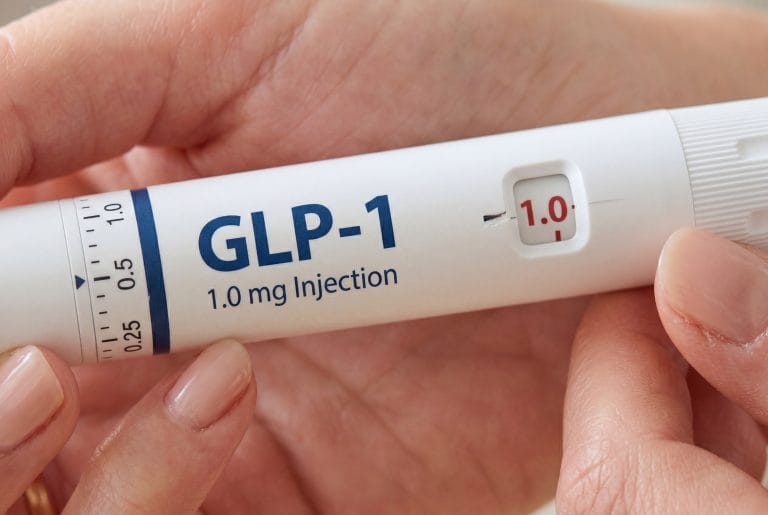
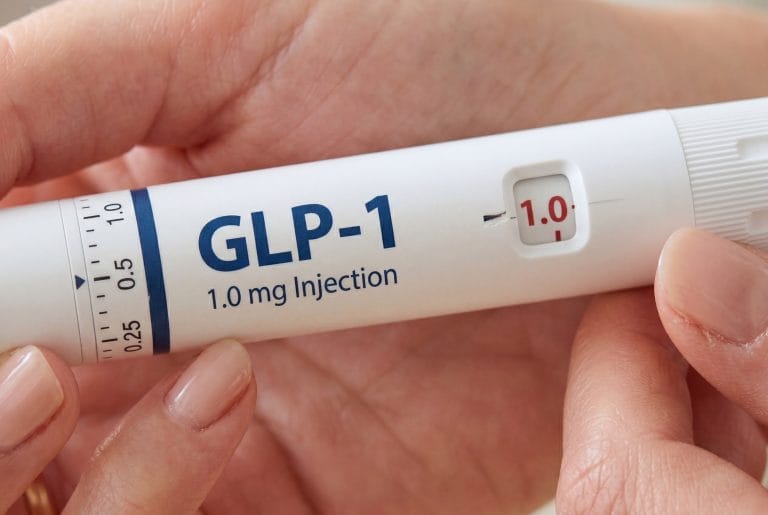
Glucose control remains important. Some patients need oral agents or insulin for persistent hyperglycemia. Illustrative examples of diabetes therapies include NovoRapid Cartridge for mealtime insulin coverage, with more background provided to clarify fast‑acting options, and Xultophy Prefilled Pen for combined basal insulin and GLP‑1 therapy in type 2 diabetes, offered as context around complex regimens. GLP‑1 agents like Ozempic Pens and Victoza Pens are discussed here as diabetes references, since comanagement of glucose often accompanies tumor care.
Because treatment varies by stage and goals, multidisciplinary care is recommended. For additional endocrine‑related pharmacy context, the Endocrine Thyroid product category can help readers understand how hormone therapies are organized and dispensed.
Somatostatin Analogs and Symptom Control
Somatostatin analogs can reduce hormone secretion and help stabilize symptoms. Octreotide or lanreotide may improve dermatitis, weight loss, and glucose variability by curbing glucagon excess. These agents are also used to visualize receptor‑positive disease during functional imaging and may slow tumor progression in selected cases.
Monitoring typically includes periodic labs, symptom diaries, and imaging at defined intervals. Adverse effects can include gastrointestinal upset, gallstones, and changes in fat‑soluble vitamin absorption. As a reminder about severe low blood sugar in diabetes care, a Glucagon Injection Kit With Diluent is used for emergency hypoglycemia outside the glucagonoma context, offered here to distinguish emergent hormone replacement from tumor‑related hormone excess.
Surgery and Outcomes
When feasible, glucagonoma surgery aims to remove the primary tumor and involved nodes. Techniques vary by location and extent, ranging from distal pancreatectomy to pancreaticoduodenectomy. Surgeons balance complete resection against preserving pancreatic function. In metastatic disease, cytoreductive procedures or liver‑directed therapies may relieve symptoms and reduce hormone load.
Outcomes depend on stage, grade, and completeness of resection. Long‑term follow‑up typically includes periodic imaging and hormone monitoring to detect recurrence. Patients and caregivers can navigate cross‑disciplinary resources within the Cancer category, which organizes oncology articles for easier planning and conversations. Nutritional support, anticoagulation for thrombosis when indicated, and dermatologic care round out comprehensive management.
Nutrition and Supportive Care
Nutritional therapy supports weight maintenance and skin recovery. Teams often emphasize adequate protein, essential fatty acids, and zinc, which can help improve dermatitis and healing. The characteristic rash, called necrolytic migratory erythema (a blistering, migrating dermatitis), may improve when hormone excess is controlled and deficiencies are corrected. Coordination with dermatology and nutrition improves outcomes and comfort.
Mouth care for angular cheilitis, emollients for dry skin, and treatment of secondary infections are common supportive steps. For a clinically oriented review of the rash’s presentation and care, see this balanced reference on the glucagon‑related dermatitis from a medical textbook platform (NCBI Bookshelf, StatPearls). As patients recover strength, clinicians adjust diet plans and glucose management to maintain stability.
Recap
Glucagonoma is rare, but its pattern—new diabetes, weight loss, and rash—stands out. Lab confirmation with fasting glucagon, paired with CT/MRI and receptor imaging, clarifies the diagnosis. Staging drives treatment choices across surgery, somatostatin analogs, and additional systemic options.
Working with an experienced multidisciplinary team helps balance tumor control and symptom relief. For practical hormone background and technique basics in diabetes management, see Insulin Pen Guide to build day‑to‑day skills while clinicians individualize therapy. Continued follow‑up detects recurrence early and supports nutrition, skin health, and quality of life.
Note: External resources linked here provide general reference points; treatment decisions should be individualized by qualified clinicians.
This content is for informational purposes only and is not a substitute for professional medical advice.