


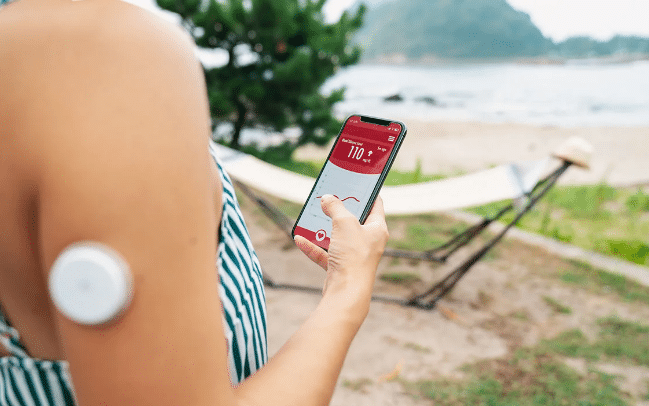
Diabetes numbers are blood glucose and A1C results that help show whether your current plan is keeping glucose in a safer range. For many nonpregnant adults with diabetes, common targets include 80–130 mg/dL before meals, less than 180 mg/dL one to two hours after starting a meal, and an individualized A1C goal often near or below 7%. Your clinician may set different targets based on age, pregnancy, kidney disease, heart disease, medications, or risk of hypoglycemia (low blood sugar).
Why this matters: a number is not just a score. It can guide safer meals, activity planning, medication conversations, and urgent action when levels are too high or too low.
Key Takeaways
- Core targets: track fasting, post-meal, bedtime, and A1C patterns.
- Context matters: meals, illness, stress, activity, and medicines change readings.
- Danger thresholds: lows below 70 mg/dL and sustained highs with ketones need attention.
- A1C is average: it reflects roughly three months, not today’s glucose.
- Personal goals vary: older adults and people with frequent lows may need adjusted targets.
What Diabetes Numbers Mean Day to Day
Diabetes numbers describe different views of glucose control. A finger-stick meter or continuous glucose monitor (CGM) shows what is happening now or across the day. A laboratory A1C shows a longer average. Fasting plasma glucose, random glucose, and post-meal checks each answer a different question.
A single glucose value can mislead when you remove the timing. A reading of 175 mg/dL may be expected after a meal but high before breakfast. A reading of 72 mg/dL may be acceptable for some people, yet risky for someone who has symptoms, drives, exercises, or takes insulin or sulfonylureas. Notes about food, exercise, sleep, stress, and medication timing often make the reading more useful.
Many people use a home meter for structured checks. Others use CGM data to review patterns, time in range, and overnight trends. If you need a broader refresher on ranges and interpretation, the related Blood Sugar Chart resource gives additional examples for reading common glucose values.
Common Glucose Targets for Adults With Diabetes
Most target ranges are written as starting points, not rigid rules. Professional guidance commonly lists premeal glucose around 80–130 mg/dL and post-meal glucose below 180 mg/dL for many nonpregnant adults. Targets may be higher or lower depending on safety, symptoms, other conditions, and treatment goals.
The table below is a practical reference for conversations with your care team. It should not replace your individualized plan.
| Timing | Common Target in mg/dL | Common Target in mmol/L | What It Helps Show |
|---|---|---|---|
| Fasting or premeal | 80–130 | 4.4–7.2 | Overnight control and between-meal patterns |
| 1–2 hours after starting a meal | Less than 180 | Less than 10.0 | Meal response and medication timing |
| Bedtime | Often individualized | Often individualized | Overnight low or high risk |
| Random check | Depends on timing | Depends on timing | Symptoms, illness, or unusual schedules |
Readers often search for a normal blood sugar levels chart, but “normal” depends on whether you have diabetes and when you test. In adults without diabetes, fasting glucose is often below 100 mg/dL, while diabetes care targets are usually individualized to reduce both complications and low-glucose risk.
If your readings are recorded in different units, a converter can reduce confusion during clinic visits or when reading international references.
Blood Glucose Unit Converter
Convert glucose readings between mg/dL and mmol/L without changing the clinical value.
These calculations are for education only and do not replace clinical advice, diagnosis, or treatment. Always confirm medical decisions with a qualified healthcare professional.
This tool helps compare mg/dL and mmol/L values. It does not interpret your result or replace clinical guidance.
Quick tip: use the same meter type and testing routine when comparing trends.
Fasting Readings
Fasting glucose is usually measured after at least eight hours without calories. It often reflects overnight glucose production by the liver, evening food intake, activity, sleep quality, and medication coverage. A fasting blood sugar normal range for people without diabetes differs from treatment targets for people already diagnosed with diabetes.
Repeated fasting highs are more meaningful than one isolated result. If morning glucose rises for several days, write down evening meals, bedtime readings, sleep changes, missed medicines, and illness symptoms. Bring those notes to your next visit instead of changing medication on your own.
Post-Meal Readings
Post-meal glucose usually peaks within one to two hours after the first bite. Many diabetes plans use the two-hour point because it is easier to compare across days. A normal blood sugar range after eating depends on the meal, carbohydrate amount, medications, and your target plan.
Checking after meals can identify patterns you may not see fasting. For example, breakfast may cause a larger rise than dinner, or a short walk after lunch may reduce the peak. These patterns can support practical conversations with a clinician or registered dietitian.
A1C Meaning and How to Read an A1C Chart
A1C, also called hemoglobin A1C, estimates average glucose exposure over about the past three months. It measures the percentage of hemoglobin proteins in red blood cells that have glucose attached. Because red blood cells live for weeks, A1C changes more slowly than a finger-stick reading.
An A1C chart converts that percentage into estimated average glucose, often called eAG. This helps compare lab results with home readings. The numbers will not match perfectly because home checks may miss overnight highs, post-meal spikes, or low episodes.
| A1C | Estimated Average Glucose mg/dL | Estimated Average Glucose mmol/L |
|---|---|---|
| 6.0% | 126 | 7.0 |
| 6.5% | 140 | 7.8 |
| 7.0% | 154 | 8.6 |
| 8.0% | 183 | 10.2 |
| 9.0% | 212 | 11.8 |
| 10.0% | 240 | 13.3 |
For diagnosis, an A1C of 6.5% or higher can meet diabetes criteria when confirmed by appropriate testing. For ongoing care, the target is different. Many nonpregnant adults aim for an individualized A1C goal near or below 7%, but safer targets may be higher for some older adults, people with severe lows, or people with complex medical conditions.
What is a dangerous level of A1C? There is no single emergency cutoff that applies to everyone. A very high A1C suggests prolonged hyperglycemia (high blood sugar) and a higher risk of complications, but urgent care decisions usually depend on current glucose, symptoms, ketones, dehydration, infection, pregnancy status, and mental status. Ask your clinician how your A1C should be interpreted with your daily readings.
A1C can be less reliable in some situations. Anemia, recent blood loss, some hemoglobin variants, kidney disease, pregnancy, and altered red blood cell turnover can affect results. If A1C and meter data do not fit, your clinician may review CGM data, structured finger-stick readings, or other laboratory markers.
When Blood Sugar Is High or Dangerously Low
Blood sugar becomes more concerning when the number and symptoms point in the same direction. Many clinicians treat glucose below 70 mg/dL as hypoglycemia. A reading below 54 mg/dL is more serious and needs prompt treatment according to your care plan. Severe hypoglycemia can occur at any number if confusion, seizure, loss of consciousness, or inability to self-treat is present.
High glucose also depends on context. A brief post-meal rise differs from repeated readings above target. A value above 250–300 mg/dL becomes more urgent when it persists, occurs during illness, or appears with ketones, vomiting, abdominal pain, deep breathing, severe thirst, dehydration, confusion, or pregnancy. These features can signal diabetic ketoacidosis or another medical problem that needs urgent evaluation.
If you are unsure what level of blood sugar is dangerous for you, ask for written sick-day and low-glucose instructions. This is especially important if you use insulin, take medicines that can cause lows, have kidney disease, are pregnant, or have had previous emergency visits for glucose problems.
For a focused explanation of high-glucose patterns and symptoms, see What Is Hyperglycemia. If lows are a frequent concern, Low Blood Sugar Steps reviews common response principles to discuss with your care team.
Common Warning Symptoms
- Possible low: shakiness, sweating, hunger, fast heartbeat, confusion, or weakness.
- Possible high: thirst, frequent urination, blurry vision, fatigue, or headache.
- Urgent concern: vomiting, heavy breathing, severe drowsiness, fainting, or seizure.
- Pattern concern: repeated unexplained highs or lows over several days.
Symptoms do not always match the number. Some people develop hypoglycemia unawareness, meaning they feel few warning signs during lows. Others may feel symptoms when glucose falls quickly, even before it reaches a low threshold. This is one reason trends matter.
How to Use Home Testing Without Overreacting
Home testing works best when each reading has a purpose. Random checks can help during illness or symptoms, but structured checks are easier to interpret. Your care team may suggest fasting checks, paired before-and-after meal checks, bedtime checks, or CGM reviews depending on your treatment.
When a result surprises you, first confirm the basics. Wash and dry your hands, check that strips are not expired, and repeat the test if the value does not match how you feel. If you use CGM, confirm urgent lows or unexpected highs with a finger-stick meter when your device instructions recommend it.
Some people prefer devices that store readings for review. The Contour Next EZ Meter and OneTouch Verio Flex Meter pages can help readers compare general meter options. For sensor-based monitoring, the Dexcom G7 Sensor page provides product context for people already discussing CGM with a clinician.
Testing supplies can affect consistency. If you use a meter that requires strips, review your device instructions and storage guidance. Related product pages such as OneTouch Verio Test Strips and Accu-Chek Aviva Test Strips may be useful when matching supplies to a compatible meter.
Do not adjust insulin or other diabetes medicines based only on a general article or one unusual result. Instead, contact your care team if readings stay outside your agreed range, if lows recur, or if illness changes food and fluid intake.
Age, Type 2 Diabetes, and Individual Targets
Diabetes numbers often change with age, treatment type, and other health conditions. Older adults may need targets that reduce hypoglycemia risk, especially if they live alone, have memory changes, have kidney disease, or take several medications. A “normal A1C for seniors” is not one universal value. It is a balance between glucose control, safety, and quality of life.
People with type 2 diabetes often notice post-meal rises because insulin resistance makes it harder for the body to move glucose from blood into cells. Weight changes, sleep, stress hormones, steroid medicines, infection, and meal composition can all shift readings. A registered dietitian or diabetes educator can help translate patterns into realistic meal and activity changes.
People with type 1 diabetes, insulin-treated diabetes, pregnancy, gastroparesis, kidney disease, or a history of severe hypoglycemia usually need more individualized instructions. The same number can carry different risk in each setting. Written action thresholds are safer than trying to remember verbal advice during a low or sick day.
If you want to browse broader diabetes-related resources, the Diabetes Articles collection includes additional educational topics. The Diabetes Condition page and Diabetes Product Category can also help readers navigate related product listings without replacing medical advice.
Practical Next Steps Before Your Next Visit
A short, organized log often helps more than many scattered readings. Bring your meter, CGM report, medication list, and notes about symptoms. If you use insulin or medicines that can cause lows, ask what number should trigger treatment, retesting, a call, or urgent care.
- Define your targets: fasting, post-meal, bedtime, and A1C.
- Record timing: note meals, activity, illness, and medication time.
- Flag patterns: mark repeated highs, lows, and overnight changes.
- Ask about ketones: clarify when and how to check.
- Review supplies: confirm meter, strips, lancets, or CGM use.
- Plan sick days: ask what to do with vomiting, fever, or poor intake.
CanadianInsulin.com is a prescription referral platform, and any prescription-related access is handled with prescriber details where required and licensed third-party pharmacy fulfilment where permitted. That service context does not change the medical need for individualized glucose targets and clinician follow-up.
Authoritative Sources
The American Diabetes Association Standards of Care outline glycemic goals, hypoglycemia classifications, and individualized treatment considerations.
The American Diabetes Association patient guidance explains home blood glucose testing and target-range monitoring.
The NIDDK A1C test resource describes A1C meaning, estimated average glucose, and factors that can affect results.
Recap
Diabetes numbers are most useful when you connect them to timing, symptoms, and trends. Fasting glucose, post-meal checks, random readings, CGM data, and A1C each provide a different view. Common targets can guide your questions, but your clinician should individualize them.
Seek urgent medical help for severe low-glucose symptoms, confusion, seizure, loss of consciousness, persistent very high readings with ketones, vomiting, deep breathing, or signs of dehydration. For nonurgent patterns, bring organized data to your next appointment and ask for clear action thresholds.
This content is for informational purposes only and is not a substitute for professional medical advice.











