Dogs with diabetes insipidus in dogs produce large volumes of dilute urine and drink excessively. The condition disturbs water balance and can strain health if unmanaged. This updated guide explains causes, testing, treatment choices, and practical home care. Use it to prepare for vet visits and support daily decisions.
Key Takeaways
- Excessive thirst and urination are the hallmark signs of canine DI.
- Two main forms exist: hormone deficiency and kidney resistance.
- Diagnosis relies on stepwise tests; never restrict water without supervision.
- Desmopressin and diet changes can help stabilize most dogs.
Understanding Diabetes Insipidus in Dogs
Diabetes insipidus is a water-balance disorder, not a blood-sugar disease. The brain normally makes antidiuretic hormone (ADH), also called vasopressin, which signals the kidneys to conserve water. When ADH is low or the kidneys ignore it, urine becomes very dilute and volumes surge. Dogs compensate by drinking more, but dehydration still develops easily during heat or illness.
Owners often confuse this condition with sugar diabetes. The two share thirst and frequent urination but diverge in cause and management. For a human-focused background on symptoms and complications, see Diabetes Insipidus Overview, which helps frame terminology you may hear in clinic.
Signs and Symptoms
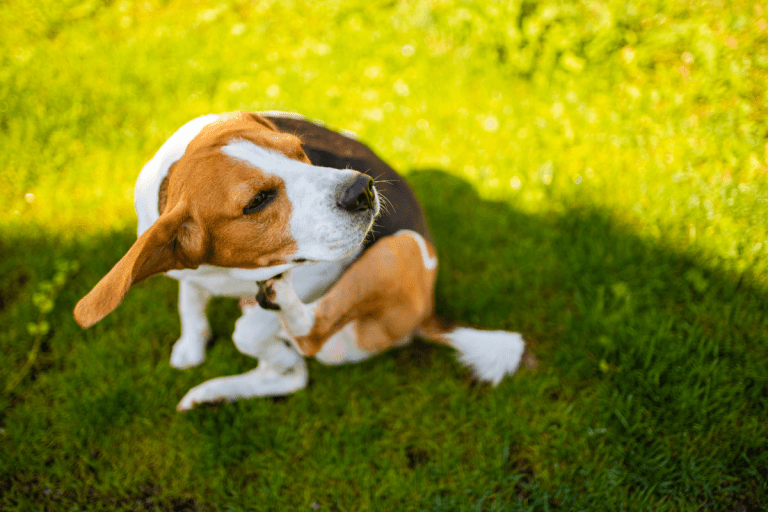
The most common diabetes insipidus in dogs symptoms include marked polydipsia (excessive drinking) and polyuria (excessive urination). Owners notice constantly refilled water bowls, requests to go out overnight, and new indoor accidents. Urine looks pale or almost clear. Some dogs lose weight or develop dry coat and lethargy when dehydration recurs.
Symptoms overlap with endocrine and kidney conditions, including sugar diabetes and Cushing’s disease. To compare classic high-sugar signs with water-balance disease, review the Diabetes in Dogs Guide for a concise checklist of shared and unique features.
Causes in Dogs
Underlying causes vary. Some dogs have idiopathic disease with no identifiable trigger. Others develop issues after head trauma, pituitary tumors, or brain inflammation that disrupts hormone production. Congenital defects can appear in young dogs. Certain medications, including high-dose corticosteroids, may worsen thirst and urination.
When the kidneys fail to respond to normal hormone levels, the result is a kidney-driven form. Chronic kidney disease, high calcium, liver disorders, or electrolyte imbalances can blunt the kidney’s response. Endocrine disorders such as hyperadrenocorticism (Cushing’s disease) may contribute by changing water handling. Your veterinarian will consider these contributors when planning testing.
Types and Pathophysiology
Two principal forms are described. In central diabetes insipidus, the hypothalamus or pituitary does not produce or release adequate ADH. This deficiency prevents the kidneys from concentrating urine, even though the kidneys remain structurally normal. Dogs frequently respond briskly to desmopressin, a synthetic ADH analog.
In the kidney-driven form, often called nephrogenic DI, the renal tubules do not respond appropriately to circulating hormone. Here, treatment focuses on diet, thiazide diuretics, and correcting secondary causes like high calcium or low potassium. For a deeper dive on central mechanisms and clinical pearls, see Central Neurogenic Diabetes, and for kidney-targeted considerations, review Nephrogenic DI to compare pathophysiology and management approaches.
Diagnosis and Testing
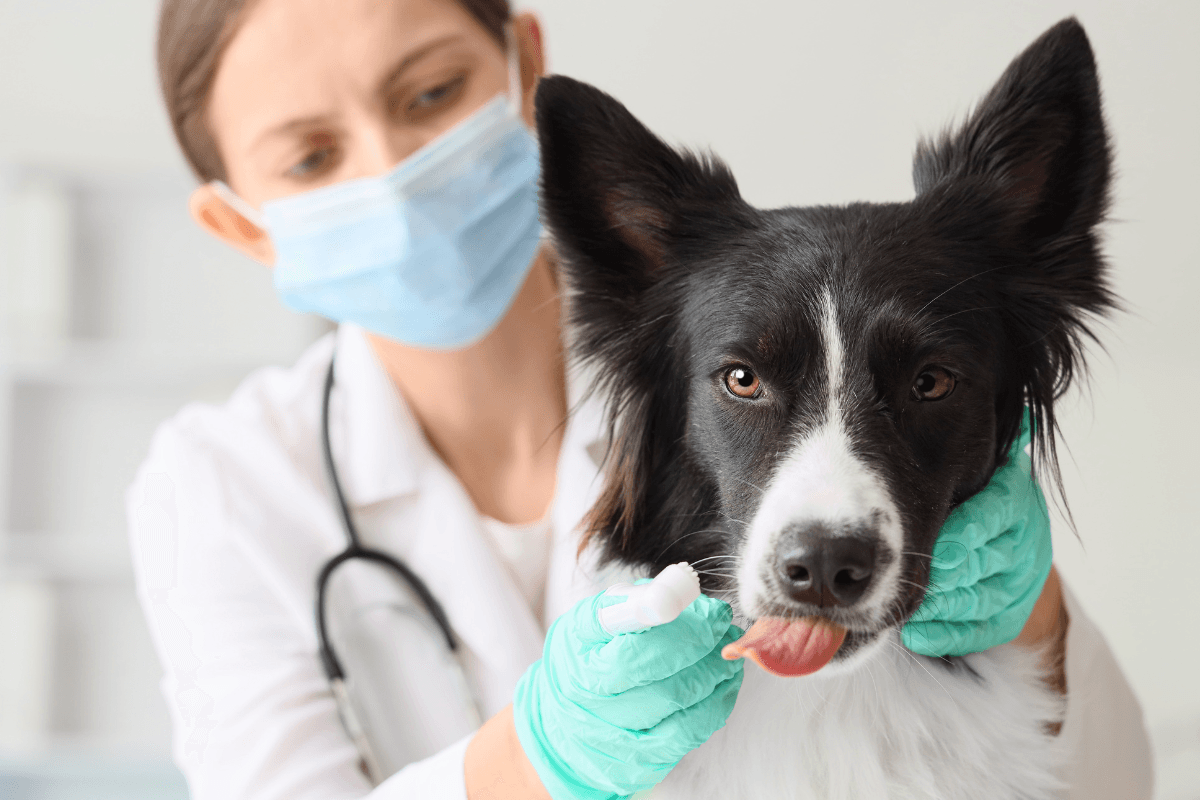
Clinicians approach diabetes insipidus in dogs diagnosis stepwise. They first rule out more common causes of thirst and urination, such as diabetes mellitus, urinary infections, kidney disease, or Cushing’s disease. Basic screening includes urinalysis with specific gravity, urine culture when indicated, and serum chemistry with electrolytes. Persistently low urine specific gravity despite dehydration risk raises suspicion.
Confirmatory testing may include a desmopressin response trial, carefully monitored water deprivation protocols, and imaging such as MRI when neurologic disease is suspected. Because dehydration can escalate quickly, water restriction tests must be supervised by a veterinarian. For method details and safety cautions, the MSD Veterinary Manual outlines diagnostic steps and interpretation. To understand how sugar diabetes differs across labs and symptoms, see Diabetes Mellitus vs Insipidus for clear, side-by-side distinctions used in practice.
Key Tests and What They Show
Urine specific gravity often stays below 1.008–1.012 despite thirst, indicating very dilute urine. Serum sodium and osmolality may run high when free water losses outpace intake. A positive response to desmopressin, demonstrated by improved urine concentration and reduced volume, supports a central hormone deficiency. When response is incomplete, clinicians look for secondary kidney influences like hypercalcemia, hypokalemia, or chronic renal changes. Advanced imaging helps identify pituitary masses, inflammation, or prior trauma sequelae. Each result narrows differentials and helps tailor a treatment plan that fits the dog’s form and comorbidities.
Treatment Options
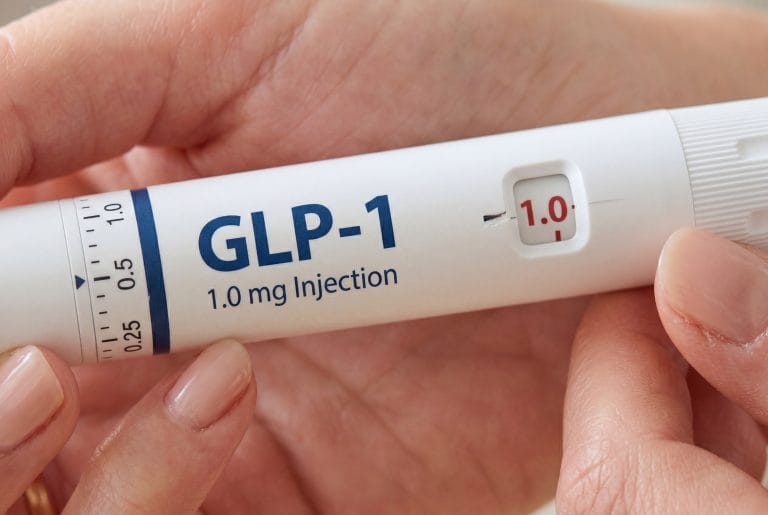
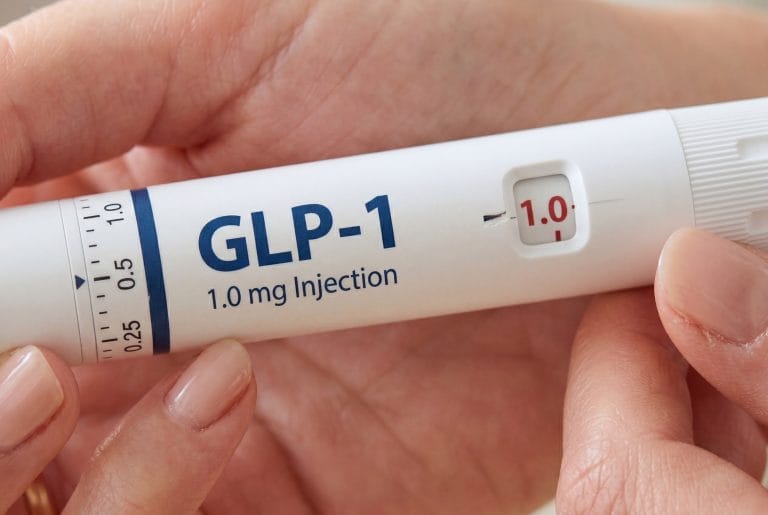
Veterinarians individualize diabetes insipidus dogs treatment based on form and severity. Many dogs with central disease improve with desmopressin acetate, given as eye drops or oral tablets. Dosing is titrated to reduce thirst and normalize urination while avoiding overcorrection. Kidney-driven cases may benefit from thiazide diuretics, moderated dietary sodium, and correction of underlying factors like high calcium or liver disease.
Desmopressin is a human-labeled medication also used off-label in veterinary care. For formulation and safety information, the DailyMed prescribing information provides official labeling that clinicians reference. Close follow-up checks hydration status, electrolytes when indicated, and owner-reported water intake patterns. Therapy often evolves over time as the dog’s needs and comorbidities change.
Prognosis and Life Expectancy
With appropriate care, diabetes insipidus in dogs life expectancy can be near normal. Dogs managed on desmopressin, diet, and monitoring often maintain stable routines and good comfort. Prognosis depends on the underlying cause, response to therapy, and the presence of other conditions such as kidney disease or endocrine disorders.
Untreated dehydration and repeated electrolyte abnormalities may raise risk. To understand potential risks during lapses in care or intercurrent illness, see Diabetes Insipidus Complications for a concise overview of events veterinarians try to prevent.
Daily Management and Diet
Keep fresh water available at all times; never restrict access. Track daily water intake and urination patterns, noting changes after medication adjustments. Consider a consistent, balanced diet with moderated sodium when advised by your veterinarian. Some kidney-focused diets may help reduce urine volume in select cases.
Build routines that prevent missed doses and accidents, especially overnight. During travel or hot weather, carry extra water and plan more frequent breaks. For broader pet care guidance that supports chronic conditions, browse Pet Health Articles with practical tips on hydration, monitoring, and home observation.
Costs and Access
Owners often ask about diabetes insipidus in dogs treatment cost. Expenses typically include initial diagnostics, periodic monitoring, and ongoing medication. Desmopressin can vary significantly by formulation and dose. Thiazides and diet changes add incremental costs. Discuss generic options, refill strategies, and recheck intervals to balance outcomes and budget.
Costs rise when complications or comorbidities require additional testing. Reviewing endocrine topics can help you anticipate care needs; see Endocrine & Thyroid Articles for related conditions that may change monitoring frequency. Context on broader diabetes disorders is summarized in Types of Diabetes, which helps distinguish sugar-related therapies from water-balance strategies.
Recap
Canine diabetes insipidus disrupts water balance but is manageable with attentive care. Recognizing hallmark signs, confirming the form with structured testing, and following tailored therapy can keep most dogs comfortable. When in doubt, compare symptoms against sugar diabetes to avoid delays in care, using our Diabetes Mellitus vs Insipidus guide for fast orientation.
Note: Never perform water restriction tests at home. These procedures require close veterinary supervision to prevent dangerous dehydration.
This content is for informational purposes only and is not a substitute for professional medical advice.