


Understanding what is byetta helps you weigh its role in type 2 diabetes care. This guide explains how exenatide works, who it suits, dosing basics, safety considerations, and practical use. It also points to comparable injectables and current availability notes, so you can have informed conversations with your healthcare team.
Key Takeaways
- Drug overview: Exenatide is a GLP-1 receptor agonist for type 2 diabetes.
- Dosing rhythm: Start low, increase if tolerated, and time doses before meals.
- Safety focus: Watch for pancreatitis signs, kidney issues, and hypoglycemia risk.
- Practical use: Rotate injection sites and follow pen handling and storage rules.
- Alternatives: Other GLP-1 options and combination therapies may fit some needs.
What Is Byetta
Byetta is the brand name for exenatide, a glucagon-like peptide-1 (GLP-1) receptor agonist. It helps lower blood glucose by enhancing glucose-dependent insulin secretion, reducing glucagon release, slowing gastric emptying, and reducing appetite. Unlike insulin, it works only when blood sugar is elevated, which may reduce hypoglycemia risk when used alone.
Exenatide is available in immediate-release (Byetta) and extended-release forms (Bydureon). If you are comparing exenatide options, the once-weekly formulation may offer convenience but differs in device and tolerability. For a feature-by-feature comparison of the two exenatide products, see Byetta vs Bydureon for context on dosing schedules and patient considerations.
How Exenatide Works
Exenatide mimics the incretin hormone GLP-1, which helps the pancreas release insulin when glucose is high. It also suppresses inappropriate glucagon secretion and slows stomach emptying, which can blunt post-meal glucose spikes. These actions together can improve fasting and postprandial readings when paired with diet and activity.
Byetta is used for adults with type 2 diabetes, not type 1 diabetes or diabetic ketoacidosis. It can be added to metformin, sulfonylureas, or basal insulin in select cases. Clinicians monitor for gastrointestinal tolerance and renal function during treatment. For full safety details, consult the manufacturer label from the U.S. Food and Drug Administration; the FDA prescribing information outlines pancreatitis and kidney warnings.
Uses and Indications
Byetta is indicated as an adjunct to diet and exercise to improve glycemic control in adults with type 2 diabetes. It may be used as monotherapy or combined with oral agents. When combined with sulfonylureas or insulin, clinicians often adjust other drugs to limit hypoglycemia.
If you are exploring broader therapy options before adding an injectable, our overview of mechanisms can help. See Common Diabetes Medications for a plain-language refresher on classes and how they act. When injections are already on the table, the Injectable Alternatives for Type 2 Diabetes guide outlines non-insulin options and when clinicians consider them.
Byetta Dosage and Administration
For adults starting therapy, the usual initial Byetta dosage is 5 micrograms injected twice daily. If tolerated and additional control is needed, clinicians may increase to 10 micrograms twice daily after about a month. Injections are given within 60 minutes before the morning and evening meals; do not inject after a meal. People with significant renal impairment require additional caution and close monitoring.
When used with a sulfonylurea or insulin, the care team may reduce doses of the companion medication to lower hypoglycemia risk. Because gastrointestinal effects are dose-related, gradual titration helps improve tolerability. For patients using metformin combinations, a refresher on extended-release formulations like Glumetza can be useful for background when reviewing multi-drug regimens.
Titration, Timing, and Missed Doses
Start low to assess tolerance, then increase if needed for glycemic goals. Aim to inject within the hour before breakfast and dinner, leaving adequate time for meal planning. If a dose is missed, skip it and resume the next scheduled dose; do not double up. If nausea or reduced appetite develops after escalation, return to the previous tolerated dose and discuss next steps with your clinician. For additional context on needles and general technique among injectables, the Injectable Type 2 Diabetes Medications List provides device and frequency overviews to compare.
Byetta Injection How to Use
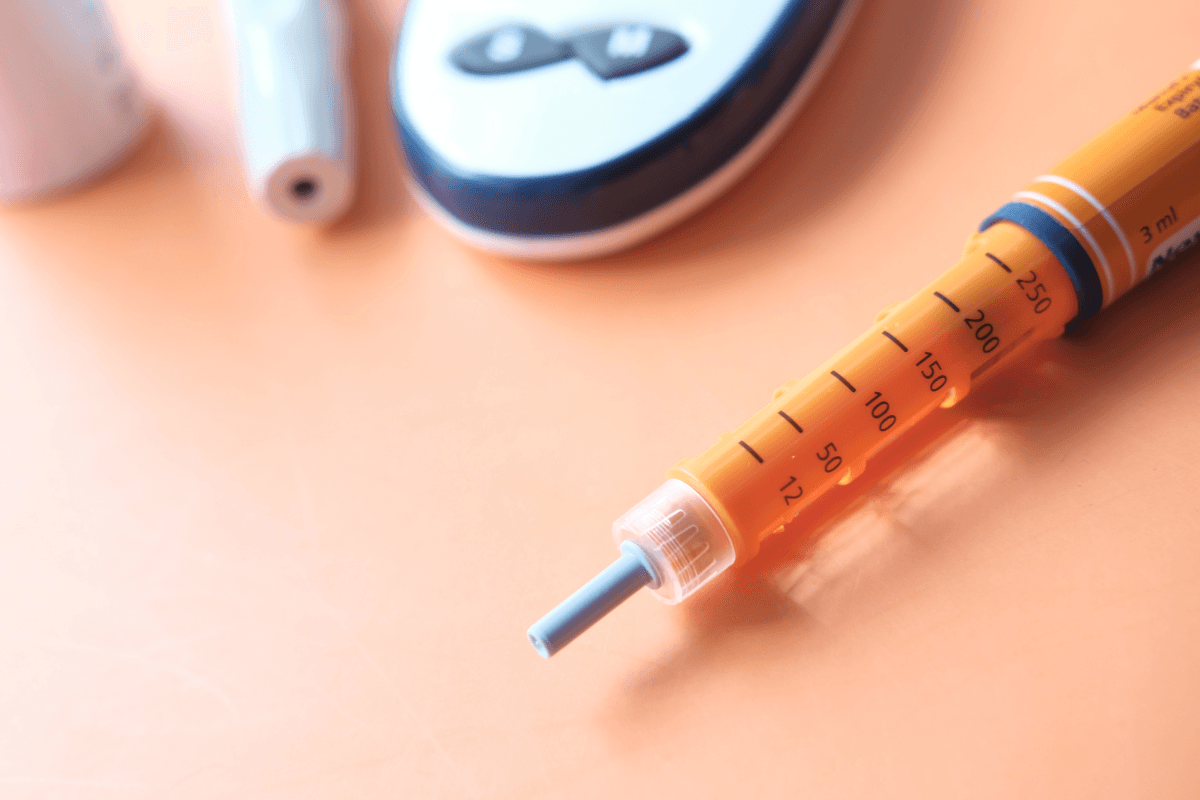
Byetta comes as a prefilled, multi-dose pen. Before first use, read the device instructions thoroughly and prime the pen if the manual requires it. Inspect the solution; do not use it if cloudy, discolored, or containing particles. Wash hands, choose a new needle, and select an injection site on the abdomen, thigh, or upper arm.
Pinch a skin fold and inject at the angle recommended by the device instructions. Hold the pen in place for the full count to ensure delivery, then withdraw and dispose of the needle safely in a sharps container. Rotate sites to reduce local reactions and avoid injecting into tender or bruised areas. If you need a deeper dive into weekly exenatide devices too, see Bydureon: Uses and Side Effects for context on once-weekly technique.
Byetta Side Effects and Warnings
Common reactions include nausea, vomiting, diarrhea, and decreased appetite, especially during the first weeks. Injection site redness or itching can occur. The risk of low blood sugar rises when used with a sulfonylurea or insulin. Patients with severe gastrointestinal disease, such as gastroparesis, may not be good candidates.
Serious risks include pancreatitis and kidney problems. Seek urgent care for persistent severe abdominal pain, with or without vomiting. Report signs of dehydration, such as reduced urination or dizziness. For authoritative safety content, review the MedlinePlus exenatide overview, which summarizes adverse effects and precautions for patients.
Weight Effects and Real-World Use
Some patients observe modest appetite reduction over time. In practice, clinicians may see weight stay stable or decrease slightly, especially alongside nutrition changes. This experience helps explain common interest in byetta weight loss, but the medication is not approved for weight management.
If weight control is a key goal, ask your clinician about GLP-1 options studied directly for weight. For a broader context on medicines and body weight, see Diabetes Medications Cause Weight Loss for mechanisms and expectations. You can also review experiences discussed in Byetta Weight Loss to understand how appetite and dosing patterns may influence outcomes.
Comparisons and Alternatives
Today’s incretin options include weekly GLP-1 agents and dual agonists. When evaluating byetta vs ozempic, the weekly semaglutide product differs in dose schedule, A1C lowering, and weight data. Trulicity and Victoza are other well-known agents in the same class, each with distinct labeling and dosing.
When learning about drug classes, it may help to revisit how dulaglutide is categorized and used. The Trulicity Drug Class overview explains positioning among incretins. For patients exploring anti-obesity GLP-1s tested specifically for weight management, the Zepbound page offers background on indications and differences. If you are still surveying options across categories, the Diabetes Medications List consolidates major agents and typical roles.
Availability and Generic Status
Market status can change. As of recent updates, brand Byetta has had variable distribution in some areas, and no widely available FDA-approved generic exenatide is on the U.S. market. Pharmacy supply and local coverage may vary by region and plan. Your pharmacist and clinician can confirm current stock and alternatives if needed.
Manufacturers and regulators periodically update shortage or discontinuation notices. For the latest official statements on availability issues and resolutions, consult the FDA’s public resources; the agency maintains a drug shortages page that explains status categories and recent changes. If exenatide access becomes limited, your care team can identify therapeutically comparable GLP-1 agents.
Byetta Storage and Handling
Store unused pens refrigerated per label directions. Do not freeze. After first use, most pens can be kept at room temperature for a defined period; always check your pen’s instructions for the precise window and temperature range. Protect from heat and light, and discard the pen after its in-use period ends even if medication remains.
Never share pens or needles. Replace the needle after each injection and use a sharps container for disposal. If your routine includes travel or long commutes, plan a protective case and temperature control to keep medication within the recommended range. For formal handling thresholds and time limits, refer back to the official FDA prescribing information for device-specific guidance.
Travel and Temperature Tips
Keep pens insulated and away from direct sunlight in transit. Do not leave them in a hot car or uncooled luggage. Use a small thermometer if you routinely travel in extreme climates. If a pen is accidentally frozen or exposed to heat beyond instructions, discard it and start a fresh device. For those comparing different injectables for travel simplicity, the Injectable Type 2 Diabetes Medications List can help weigh frequency and storage trade-offs across products.
When to Talk With Your Clinician
Tell your clinician about a history of pancreatitis, gallstones, severe gastrointestinal disease, or significant kidney issues. Review all medications and supplements, including insulin or sulfonylureas, since these raise hypoglycemia risk when combined. Discuss pregnancy, lactation, or planned surgery in advance. If goals are not met after careful titration and lifestyle steps, reassess the regimen and consider alternatives.
Comparative reading can help frame those conversations. If you want to understand where exenatide fits within weekly options and outcomes, Bydureon Weight Loss provides weekly-specific experience. For a broader injectable landscape in one place, the Injectable Alternatives for Type 2 Diabetes article summarizes pros and cons to discuss during follow-up visits.
Recap
Byetta is an exenatide-based GLP-1 option that can help improve glycemic control in adults with type 2 diabetes. It is injected twice daily before meals, with a careful start-low, go-slow approach. Safety conversations should cover gastrointestinal tolerance, pancreatitis warning signs, kidney monitoring, and the interaction risk with insulin or sulfonylureas.
If you and your clinician decide to use exenatide, plan for consistent dosing, site rotation, and proper storage. Compare alternatives if availability or tolerability becomes an issue. Use official labeling and reliable guides to support decisions and day-to-day use.
Tip: Set phone reminders before breakfast and dinner to time doses consistently and reduce missed injections.
Note: Never mix exenatide with insulin in the same injection. Separate devices and techniques help maintain dosing accuracy and safety.
Medical disclaimer: This content is for informational purposes only and is not a substitute for professional medical advice.











