The Eliquis generic name is apixaban. Eliquis is the brand name of a direct oral anticoagulant (DOAC, a blood thinner that lowers the blood’s ability to form harmful clots). People often look this up when a refill label, hospital discharge note, or medication list uses a different name than the bottle at home. Knowing both names helps you match the medicine to its purpose, understand basic dosing language, and avoid mix-ups.
Apixaban is used for several clot-related conditions, so the schedule is not one-size-fits-all. The dose can depend on why it was prescribed, your age, body weight, kidney function, other medicines, and whether the goal is treatment or prevention. Tablet identification matters too, especially if the appearance changes after a refill.
Key Takeaways
- Eliquis is the brand name; apixaban is the generic name.
- It is an anticoagulant used for AFib and some clot conditions.
- Dosing depends on the condition and patient-specific factors.
- Brand and generic tablets may look different after a refill.
- Bleeding is the main safety concern, and sudden stopping can be risky.
Eliquis Generic Name and What It Means
The generic name of a medicine identifies its active ingredient. In this case, apixaban is the drug itself, while Eliquis is one brand name attached to it. If a clinician writes apixaban on a prescription, the pharmacy may dispense a product labeled Eliquis or a generic apixaban product when available and appropriate. The active ingredient is the key point.
Knowing the Eliquis generic name matters for practical reasons. Hospital records, specialist notes, refill histories, and insurance paperwork may use apixaban even when the home bottle says Eliquis. That does not always signal a change in therapy. It often reflects the standard way medicines are listed in medical records.
People also ask whether Eliquis is a blood thinner. In everyday language, yes. More precisely, it is an anticoagulant, which means it reduces the blood’s clotting activity. It does not literally thin the blood, and it does not instantly dissolve a clot. Instead, it helps prevent new clots from forming and helps stop existing clots from getting larger while the body clears them over time.
Why it matters: Brand and generic names can both appear in refill requests, medication lists, and discharge instructions.
For broader heart and circulation topics, the site’s Cardiovascular Hub groups related reading in one place.
Prescription details may need confirmation with the prescriber when required.
Where Apixaban Is Used
Apixaban is used to prevent or treat certain harmful blood clots. One common reason is atrial fibrillation (AFib, an irregular heart rhythm) when the goal is to reduce stroke risk in appropriate patients. It is also used for deep vein thrombosis (DVT, a clot usually in a deep leg vein) and pulmonary embolism (PE, a clot in the lung).
Depending on the situation, apixaban may be used to treat an active clot, lower the chance of another clot after treatment, or reduce clot risk after some major orthopedic procedures. Those are different clinical goals. That is why the same medicine can have different dosing plans and different instructions about how long it is used.
- AFib risk reduction: helps lower stroke risk in selected patients.
- DVT treatment: used when a clot forms in a deep vein.
- PE treatment: used when a clot travels to the lungs.
- Recurrence prevention: may reduce the chance of future clots.
- Post-surgical prevention: may be used after certain joint surgeries.
The reason for treatment matters because it shapes everything else. A person taking apixaban after a new DVT is not following the same plan as someone taking it long term for AFib. That is why comparing your dose with someone else’s is rarely useful.
How Dosing Is Determined
Apixaban dosing is determined first by the reason it was prescribed. From there, clinicians look at other factors that can change the balance between clot prevention and bleeding risk. These can include age, body weight, kidney function, liver issues, other medicines, and whether a procedure or surgery is coming up.
| Factor | Why it affects the plan |
|---|---|
| Reason for treatment | AFib, active DVT or PE treatment, and extended prevention do not use the same regimen. |
| Age and body weight | These can affect whether standard or reduced dosing is appropriate. |
| Kidney or liver function | How the body processes the medicine can change safety and monitoring needs. |
| Other medicines | Some drugs can raise bleeding risk or change apixaban levels. |
| Planned procedures | Surgery, dental work, or spinal procedures may require a supervised pause and restart plan. |
Why 2.5 mg and 5 mg are not interchangeable
Many people search whether 2.5 mg or 5 mg is better. The short answer is that neither is better on its own. Each strength fits a different clinical situation. For nonvalvular AFib, many adults are prescribed 5 mg twice daily, while 2.5 mg twice daily is reserved for selected patients who meet label-based dose-reduction criteria. In DVT or PE care, the regimen can change by treatment phase, so the right plan depends on where the patient is in care.
That also explains why 5 mg twice a day is not automatically a high dose, and 2.5 mg is not automatically the safer choice. A dose that is too low for the situation may not protect well enough against clots. A dose that is too high for the patient may raise bleeding risk. The goal is fit, not simply more or less.
Why twice-daily timing matters
Apixaban is usually a twice-daily medicine when it is prescribed. Older adults do not automatically switch to once daily just because of age. The schedule matters because skipped doses can reduce protection, and doubling up without instructions can create safety problems. If a dose is missed or a procedure is planned, the safest step is to follow the medication guide and the prescribing team’s instructions rather than guessing.
Where permitted, licensed third-party pharmacies handle dispensing and fulfilment.
Safety Points and Side Effects to Watch
The main safety issue with apixaban is bleeding. Mild bruising can happen, and some people notice nosebleeds, gum bleeding, or heavier menstrual bleeding. Those effects can still matter, especially if they become frequent or hard to control. Serious bleeding is less common, but it needs urgent attention.
Another key point is that apixaban should not be stopped on your own unless a clinician tells you to do so. Stopping suddenly can raise the risk of stroke or another clot in some people. That is especially important before surgery, dental work, or after an injury, when a coordinated plan is often needed.
When to get urgent help
- Bleeding that will not stop.
- Coughing or vomiting blood.
- Black or tarry stools.
- Red or dark brown urine.
- A severe fall or head injury.
- Sudden weakness, trouble speaking, or severe headache.
Medicine interactions matter too. Aspirin, ibuprofen, naproxen, and other drugs that affect bleeding can add risk when they are not specifically planned with a clinician. Some prescription medicines, including certain antifungals, seizure medicines, and antibiotics, can also change how apixaban is handled in the body. Herbal products and supplements are worth mentioning as well. A simple updated medication list can prevent a lot of confusion.
Quick tip: Bring a current list of prescriptions, pain relievers, vitamins, and supplements to every visit.
People preparing for surgery or invasive procedures should also mention apixaban early. Timing around a planned pause and restart depends on the procedure and the person’s health history. That decision should come from the treating team, not from general internet advice.
How to Identify Brand and Generic Tablets
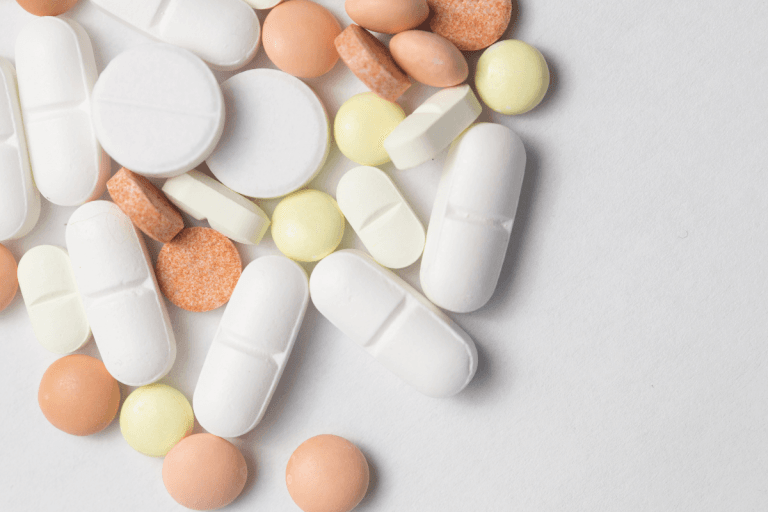
The safest way to identify a tablet is to use the pharmacy label, full drug name, strength, and imprint code together. Color and shape alone are not reliable. Brand and generic tablets may look different, and even the same pharmacy can switch suppliers between refills. That change can be appropriate, but it should always be clear on the label.
The Eliquis generic name can also appear on labels, medication lists, and refill paperwork even when the tablet itself looks unfamiliar. That is one reason people get concerned after a manufacturer change. The active ingredient may be the same, but the markings and appearance can differ.
What to do if a refill looks different
- Compare the bottle label with your medication list.
- Check the full name and the listed strength.
- Look for the tablet imprint, not color alone.
- Ask the pharmacy why the appearance changed.
- If anything still seems off, verify it before taking the tablet.
Keeping medicine in its original container also helps. It gives you the exact name, strength, directions, prescriber, and pharmacy contact information in one place. That is useful during travel, emergencies, and specialist visits.
Some patients explore cash-pay or cross-border options when eligibility and jurisdiction allow.
If you are browsing medicines in this condition area, the Cardiovascular Product Category is a browseable hub organized by topic.
Authoritative Sources
- FDA prescribing information for Eliquis
- Official Eliquis medication guide
- American Heart Association practical guide to DOAC use
In short, Eliquis is the brand name and apixaban is the generic name. The medicine is used to prevent or treat certain clots, but the dosing plan depends on the exact reason for treatment and on patient-specific factors. If a label changes or a tablet looks unfamiliar, confirm the name, strength, and imprint before using it, and review any bleeding concerns with a clinician or pharmacist.
This content is for informational purposes only and is not a substitute for professional medical advice.