The keto diet is a very low-carbohydrate, high-fat eating pattern designed to shift the body from using glucose as its main fuel to using ketones. For some adults, that may support weight loss or improve blood sugar patterns, but it can also cause side effects and raise safety questions. This matters because a sharp drop in carbohydrates can affect hydration, digestion, ketone production, and, for people with diabetes, how daily care is managed.
Beginners usually want three answers first: what to eat, what to avoid, and whether the plan is actually safe. The short version is simple. Meals usually center on protein, nonstarchy vegetables, and added fats, while sugar, bread, rice, pasta, juice, and many packaged snacks are limited. The harder part is building a version that is balanced, realistic, and appropriate for your medical history.
Key Takeaways
- The ketogenic pattern is very low in carbohydrates and high in fat.
- Common first-week problems include headache, fatigue, constipation, and dizziness.
- It may not be appropriate for everyone, especially during pregnancy or with certain diabetes medications.
- Food quality still matters. A low-carb pattern can be nutrient-poor or well balanced.
- Beginners do better with a simple meal framework than with extreme promises or specialty products.
How the Keto Diet Works
When carbohydrate intake stays low enough, the liver starts making ketones from fat. That shift is called ketosis, a metabolic state where fat becomes a major fuel source. It is a normal body response, but it does not happen at the same speed for everyone.
Ketosis is not the same as ketoacidosis. Nutritional ketosis is the intended effect of the eating pattern. Ketoacidosis is a dangerous medical emergency linked to severe insulin problems and very high ketone levels. If that distinction feels blurry, read more about Ketosis Vs Ketoacidosis before starting any very low-carbohydrate plan.
The basic rules are straightforward. Carbohydrates are kept low, protein is included at meals, and most energy comes from fat. In practical terms, that usually means removing sugary drinks, desserts, bread, rice, pasta, and many snack foods. Some plans count net carbs, which means total carbohydrates minus fiber, but label language and product marketing can make that confusing.
It also helps to know that ketogenic diets are not only wellness trends. In clinical care, carefully supervised ketogenic plans have established uses in some seizure disorders. That does not mean the same approach is automatically a good fit for general weight loss or diabetes management without review.
Keto Diet Foods: What Usually Fits
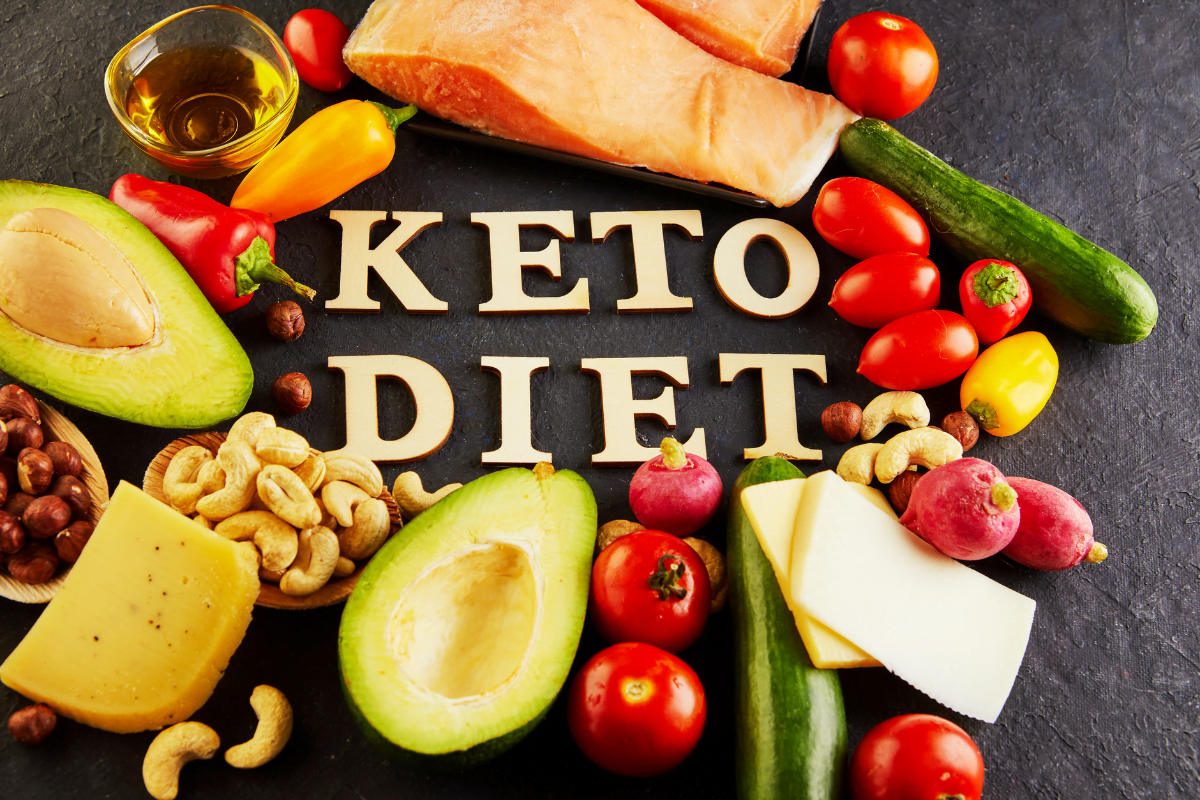
A beginner food list is less about finding miracle items and more about learning which foods tend to keep carbohydrate intake low. Many simple meals can be built from eggs, fish, poultry, tofu, tempeh, meat, plain Greek yogurt, cheese, leafy greens, cauliflower, broccoli, zucchini, mushrooms, avocado, olives, nuts, seeds, and unsweetened oils. Foods that commonly push carbohydrate intake up include bread, rice, pasta, cereal, crackers, most sweets, juice, sweetened yogurt, and many sauces.
| Food Group | Often Included | Often Limited Or Watched |
|---|---|---|
| Protein Foods | Eggs, fish, poultry, tofu, tempeh, meat | Breaded items, sugary marinades, processed snacks |
| Vegetables | Leafy greens, cauliflower, broccoli, zucchini, peppers | Potatoes, corn, large portions of starchy vegetables |
| Fats | Olive oil, avocado, nuts, seeds, olives | Highly processed fat-heavy snack foods |
| Dairy And Extras | Plain yogurt, some cheese, unsweetened nut milks | Sweetened yogurt, flavored drinks, desserts |
Many people get stuck on single foods instead of meal patterns. Questions about eggs, yogurt, and beans are common because these foods can fit differently depending on the rest of the plate and the amount eaten. For deeper reading, see Eggs And Diabetes, Yogurt And Diabetes, and Beans And Diabetes.
Packaged foods need extra attention. A product may look low in sugar but still contain starches, added sweeteners, or serving sizes that hide the true carbohydrate load. If labels are a weak point, Navigating Food Labels can help you read ingredient lists and serving information more carefully.
Quick tip: Build each meal from a protein source, a nonstarchy vegetable, and one added fat source.
Who May Consider It and Who Needs Extra Caution
A ketogenic pattern may appeal to adults who want a structured way to cut refined carbohydrates and snack foods. Some people like the clear rules. Others find the plan too restrictive to keep going. Short-term weight changes can happen, but very fast results are often driven by water loss at first, not only by body fat changes.
Who may find it useful
For some adults, this eating style can be one option among several for weight management or glucose control. The strongest case is usually when a person wants a defined low-carbohydrate framework and understands the trade-offs. If you are comparing broader approaches, the Weight Management hub collects related reading, and How To Start A Diabetic Diet offers a less restrictive starting point.
When caution matters more
Extra care is important for people with type 1 diabetes, people who use insulin or medicines that can change glucose quickly, and anyone with a history of disordered eating. Pregnancy, chronic kidney disease, significant liver disease, pancreatitis, and gallbladder problems are also reasons to get clinical guidance before making a major dietary shift. If diabetes medications are part of the picture, the class overview in SGLT2 Inhibitors Guide is worth reviewing, because some medicines in that group have specific ketoacidosis warnings.
Pregnancy changes the conversation even more. Ketones, nausea, and reduced food intake need a different level of caution, especially if diabetes is also present. For that context, see Ketones In Urine During Pregnancy.
Why it matters: A large carbohydrate drop can change glucose and ketone patterns within days.
Where needed, prescription details can be confirmed with the prescriber.
Common Side Effects and Longer-Term Trade-Offs
Short-term side effects are common, especially in the first week. People often describe headache, fatigue, constipation, nausea, muscle cramps, lightheadedness, and bad breath. These symptoms are sometimes called keto flu, but they are not an actual infection. They usually reflect a mix of lower carbohydrate intake, fluid shifts, and changes in electrolytes, which are body salts such as sodium and potassium.
Not every problem is harmless, though. If you have diabetes, symptoms can overlap with hypoglycemia, which means low blood sugar, or with severe hyperglycemia, which means high blood sugar. Review the warning signs in High Blood Sugar Symptoms, and pay attention to ketone-related issues such as What Is Ketonuria. Feeling very ill, vomiting repeatedly, breathing abnormally, or having high glucose with ketones is not routine adjustment.
Longer term, the trade-offs become more about diet quality and sustainability. Some versions of the plan are low in fiber and rely heavily on processed meats, butter, or packaged keto snacks. Others use more vegetables, fish, nuts, seeds, and unsaturated fats. That difference matters. A low-carbohydrate plan can be thoughtfully built, or it can become a narrow list of convenience foods.
Adherence is another real issue. Social eating gets harder. Travel gets harder. Vegetarian versions are possible, but they are more restrictive and usually depend on careful planning around tofu, tempeh, eggs, dairy, nuts, seeds, and low-carbohydrate vegetables. If the plan creates constant food stress, it may not be the right long-term fit even if it works for a short period.
Building a Simple Start Without Overcomplicating It
Most beginners do better with a simple grocery-based plan than with branded bars, powders, or complicated recipes. Before day one, it helps to decide what problem you are trying to solve. Weight loss, better post-meal glucose, fewer ultra-processed foods, and tighter meal structure are not exactly the same goal. Clear goals make the plan easier to judge later.
- Set one clear reason for starting.
- Review medications before cutting carbohydrates sharply.
- List five go-to meals you can repeat.
- Plan vegetables and fiber on purpose.
- Read labels on sauces, drinks, and snacks.
- Watch symptoms, energy, and meal satisfaction.
Simple meals often work better than internet-perfect recipes. Breakfast might center on eggs or plain yogurt with nuts. Lunch may be a salad with protein and olive oil. Dinner often works best as protein plus a nonstarchy vegetable plus a fat source. If your current pattern depends on cereal, toast, juice, sweet coffee drinks, or frequent takeout, the real work is replacing those routines before motivation fades.
You also do not need specialty keto products to start. Many are expensive, heavily processed, or marketed in ways that oversimplify nutrition. Whole foods usually give better control over ingredients and make it easier to see what you are really eating.
For some people, a moderate lower-carbohydrate pattern is easier to sustain than full ketosis. That is one reason many clinicians also discuss Mediterranean-style eating for glucose and heart health. If you want a useful contrast, compare this approach with Mediterranean Diet And Diabetes.
Keto Diet and Diabetes Considerations
If you live with diabetes, the main question is not whether the plan is popular. It is how a major drop in carbohydrate intake interacts with medication, glucose checks, and ketone monitoring. The same meal change that helps one person may create hypoglycemia, dehydration, or confusing ketone readings for someone else.
That is why medication review matters before starting. Insulin and some other glucose-lowering drugs may need closer supervision when carbohydrate intake changes quickly. This is not something to adjust based on social media advice or generalized meal plans. If you feel unwell, see high glucose with ketones, or cannot keep fluids down, clinical review should happen promptly.
The keto diet may sound simple on paper, but diabetes adds layers. Glucose patterns, sick-day rules, hydration, and the meaning of urine or blood ketones can all change. People with type 1 diabetes should be especially cautious. People taking SGLT2 inhibitors also need to understand that ketoacidosis can occur even when glucose is not dramatically elevated.
Medication dispensing is handled by licensed third-party pharmacies where permitted.
For many adults with diabetes, the best eating plan is the one that improves food quality, supports consistent monitoring, and can actually be maintained. A more flexible plan may sometimes be safer and easier than a strict ketogenic pattern. That is worth discussing before you commit to a highly restrictive routine.
Authoritative Sources
- For a concise medical definition, see the National Cancer Institute entry on ketogenic diet.
- For a clinician-focused summary, review StatPearls on The Ketogenic Diet.
- For supervised medical-use context, see Boston Children's Hospital on the ketogenic diet.
The keto diet can be a structured way to lower carbohydrate intake, but it is not automatically simple or safe for everyone. Food quality, side effects, medication review, and long-term fit matter more than hype. Further reading can help you compare it with less restrictive patterns before you decide.
This content is for informational purposes only and is not a substitute for professional medical advice.