Pancreatitis in Cats can be confusing and stressful for caregivers. This updated guide explains what’s happening, how vets investigate it, and practical steps you can take. It uses clear language alongside clinical terms to help you act confidently.
Key Takeaways
- Core problem: inflamed pancreas disrupts digestion and blood sugar control.
- Presentation varies: vomiting, lethargy, pain, and poor appetite are common.
- Diagnosis uses exam, blood tests, and imaging together for accuracy.
- Treatment focuses on fluids, nausea control, pain relief, and early nutrition.
- Most cats improve with supportive care; relapses can occur over time.
Pancreatitis in Cats: What It Is and Why It Matters
The pancreas produces digestive enzymes and insulin. When inflamed, those enzymes may irritate surrounding tissues, and insulin control can wobble. Cats often develop chronic, smoldering disease rather than a single dramatic episode. Inflammation may also overlap with cholangitis and inflammatory bowel disease, a triad sometimes called “triaditis.”
Diagnosis and management require context because signs are often nonspecific. Vets piece together history, exam findings, lab data, and imaging for a working diagnosis. For background on clinical patterns and supportive care principles, the Merck Veterinary Manual summarizes current veterinary guidance. This matters because timely, appropriate care can reduce complications and discomfort.
Common Signs and Early Clues
Owners usually notice subtle behavior changes first. Cats may hide, move less, or refuse food. Vomiting, abdominal discomfort, and dehydration can follow. Because many illnesses look similar, tracking a timeline of signs helps your veterinarian narrow the list.
Watch for symptoms of pancreatitis in cats such as reduced appetite, lethargy, intermittent vomiting, and a crouched posture suggesting pain. Some cats show weight loss, fever, or diarrhea. If your cat also has diabetes, early recognition of inappetence is critical to prevent ketones; for related warning signs, see Diabetes in Cats Signs for context on overlapping symptoms.
What Triggers the Condition
Veterinarians still debate what causes pancreatitis in cats. Many cases are idiopathic, meaning no single cause is identified. Associated factors include inflammatory bowel disease, gallbladder or bile duct inflammation, infections, certain drugs, trauma, and metabolic stress. Diet plays a smaller role in cats than in dogs, though sudden dietary changes can destabilize some patients.
Diabetes, liver disease, and intestinal inflammation can amplify pancreatic stress over time. If your cat has concurrent metabolic disease, review interactions and flare patterns with your veterinarian. For an overview of the two-way relationship between glucose control and pancreatic inflammation, see Pancreatitis and Diabetes to understand how these conditions intersect.
Stress, Pain, and Flares
Stress hormones can influence gut motility and appetite, which may aggravate gastrointestinal disease. While evidence remains mixed on whether stress directly causes pancreatic inflammation, minimizing stressors often helps cat comfort during recovery. Reduce environmental changes, provide quiet rest spaces, and keep routines consistent. Pain control (analgesia) can also lower physiologic stress by improving appetite and mobility, limiting a spiral of dehydration and nausea.
How Vets Confirm the Diagnosis
There is no single perfect test, so veterinarians combine findings. A thorough exam, bloodwork, and abdominal imaging create a diagnostic picture. Your vet may order pancreatic lipase tests and an ultrasound to evaluate the pancreas and nearby organs. Taken together, these pieces can clarify severity and guide supportive care.
Understanding how to diagnose pancreatitis in cats helps set expectations for the workup. Pancreatic lipase immunoreactivity assays and ultrasound improve confidence when interpreted with clinical signs. For practical summaries on test use and interpretation, the Cornell Feline Health Center explains common approaches and limitations in cats. These discussions help you prepare for results that may be suggestive rather than absolute.
Key Tests and What They Show
Bloodwork may show dehydration, electrolyte shifts, or liver enzyme changes. Pancreatic lipase assays support a diagnosis when aligned with clinical signs. Ultrasound can identify pancreatic swelling, surrounding fat changes, or fluid, and it helps rule out similar problems. Radiographs, bile duct evaluation, or additional GI tests may be considered if ultrasound is inconclusive.
Sometimes veterinarians treat presumptively when evidence is strong but not definitive. This approach focuses on comfort, hydration, and nutrition while monitoring response. For broader context on related digestive conditions and differentials, browse Gastrointestinal to understand how overlapping disorders can mimic pancreatitis.
Supportive Care and Pain Control
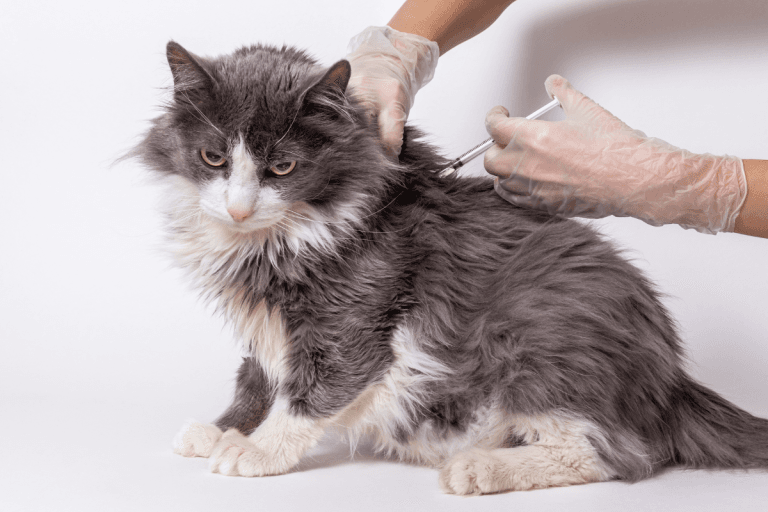
Most hospitalized cats receive intravenous fluids, nausea control, and analgesia (pain relief), along with earlier feeding than in the past. This multimodal approach remains the cornerstone of treatment for pancreatitis in cats. Anti-nausea therapy is central because vomiting and nausea suppress appetite and worsen dehydration.
Maropitant is a common antiemetic (vomit-blocking medicine); for an overview of indications, see Cerenia Tablets and Injections for medication background. Where appropriate, your vet may prescribe Cerenia or, in clinical settings, Cerenia Injection to control vomiting. For pain, options vary; some cases may use buprenorphine, while NSAIDs require caution. You can review labeled feline use in Onsior Cat Medicine for context on when this class is considered.
Gastroprotectants can soothe irritated mucosa. In select situations, your veterinarian may recommend Sucralfate or liquid alternatives such as Sulcrate Suspension Plus to protect the GI lining. Antibiotics are reserved for suspected bacterial complications like cholangitis or translocation; the ACVIM consensus statement outlines when antimicrobials may be considered. Nutrition support begins as soon as nausea and pain are controlled.
Feeding Strategies During and After Flares
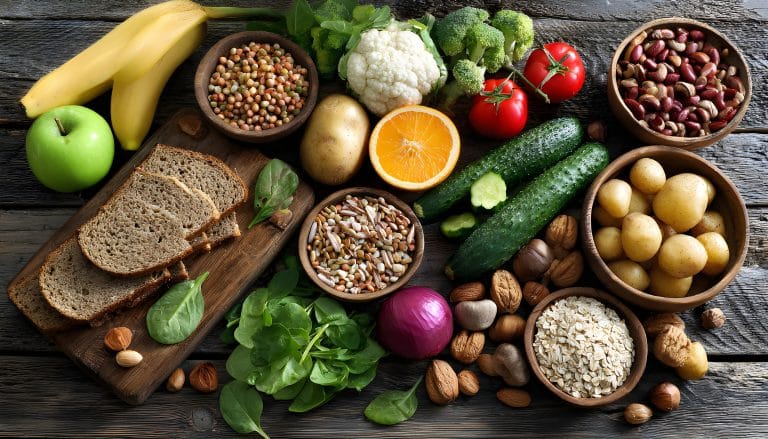
Historically, cats were rested from food; today, early enteral feeding is encouraged. Small, frequent meals can restart gut motility and maintain the intestinal barrier. Ask your vet how quickly to transition from syringe-feeding to voluntary intake. Cats often prefer moisture-rich meals during recovery, which supports hydration and calorie goals.
Discuss what to feed a cat with pancreatitis with your veterinarian to match your cat’s comorbidities and preferences. Easily digestible, moderate-fat, high-protein diets are commonly used. Many caregivers try wet food for cats with pancreatitis to improve moisture and palatability. Some respond to best dry cat food for pancreatitis formulas if texture preferences demand it. Therapeutic diets from major brands, including royal canin pancreatitis cat food or purina cat food for pancreatitis, may help when guided by your vet.
Home-prepared diets require precise balance. If you consider homemade food for cats with pancreatitis, work with a board-certified nutritionist to avoid deficiencies. For those managing at home, best non prescription cat food for pancreatitis options can be a bridge during recovery. If vomiting persists, ask your vet about what to feed a cat with pancreatitis vomiting and whether appetite stimulants or antiemetics should be adjusted. Tip: Keep a feeding log to track intake, tolerance, and stool quality.
Recovery Outlook and When to Escalate Care
Course and outcome vary widely. Mild cases resolve with outpatient support, while severe cases need hospitalization and intensive monitoring. Understanding pancreatitis in cats recovery time helps plan follow-up and check-ins. Many cats stabilize over days to weeks, then require long-term nutrition and pain strategies to reduce relapses. Regular weigh-ins and hydration checks help catch setbacks early.
Escalate care if pain, vomiting, or inappetence persist beyond a day despite treatment, or if new problems emerge. Diabetic cats need close glucose and ketone monitoring; for complications context, see Diabetic Ketoacidosis in Cats to understand emergency warning signs. Managing concurrent diabetes may involve insulin adjustments; for product information used in feline diabetes care, review ProZinc Vial or Caninsulin Vial as examples your vet may consider. Note: Difficult end-stage cases are uncommon but possible; discuss quality-of-life frameworks early to guide hard decisions.
Recap
Pancreatic inflammation disrupts digestion and appetite while stressing adjacent organs. Because signs are vague, veterinarians rely on a combination of history, examination, targeted blood tests, and imaging. Expect a practical, stepwise plan that tackles hydration, nausea, pain, and early nutrition, rather than a single curative intervention. Many cats improve steadily with this supportive approach, even when an exact trigger remains unclear.
Plan for follow-up, especially after medication changes or diet transitions. Keep a simple diary of appetite, energy, stool, and vomiting episodes to share with your veterinarian. If your cat also manages diabetes or digestive comorbidities, coordinated care helps prevent setbacks. With proactive monitoring and appropriate veterinary guidance, most cats regain comfort and return to familiar routines.
This content is for informational purposes only and is not a substitute for professional medical advice.