


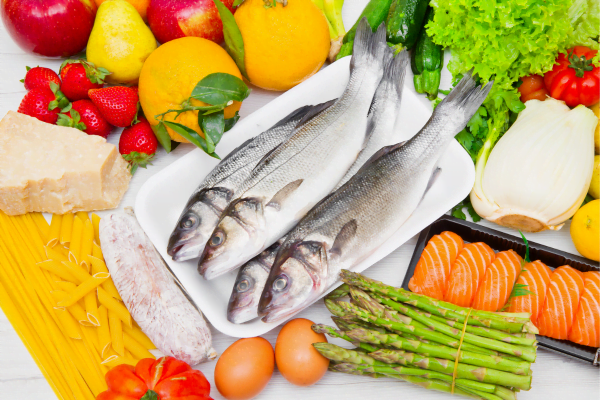
A diabetes diet plan is a practical eating framework that helps you choose meals, portions, and timing that support steadier blood glucose. It is not a single strict menu or a list of banned foods. The goal is to build balanced meals around vegetables, protein, high-fiber carbohydrates, and unsaturated fats while matching food choices to your medicines, activity, preferences, and health conditions.
Why this matters: food affects blood glucose day to day, but the best plan is one you can repeat. If you are new to meal planning, Starting a Diabetic Diet can help you build the first steps without overcomplicating meals.
Key Takeaways
- A useful plan balances carbohydrates, protein, vegetables, and fat.
- No single food pattern works for everyone with diabetes.
- Portion size and meal timing can matter as much as food choice.
- Carbohydrate quality, fiber, and labels help guide decisions.
- Medication, kidney disease, pregnancy, and repeated highs or lows need clinician guidance.
How a Diabetes Diet Plan Works Day to Day
A practical diabetes diet plan turns general nutrition advice into repeatable meals. It helps answer three daily questions: what to eat, how much to eat, and when to eat. These questions matter because carbohydrate-containing foods usually have the most direct effect on blood glucose after meals.
The plate method is often the simplest starting point. Many people picture a plate with half non-starchy vegetables, one quarter lean protein, and one quarter higher-fiber carbohydrate. A small amount of unsaturated fat can add flavor and help meals feel satisfying. This method is not a prescription, but it gives structure without requiring advanced math.
Meal timing can also help. Some people do better with regular meals, especially if they use insulin or medicines that can cause low blood glucose. Others may prefer fewer meals or different schedules. The safer approach is to keep patterns consistent until your care team helps you adjust them. Skipping meals can be risky for some medication plans.
A useful diabetes diet plan should also respect culture, budget, appetite, and cooking skills. Rice, beans, tortillas, pasta, fruit, bread, dairy, and starchy vegetables can all fit for many people. The key is the portion, the rest of the plate, and your glucose response.
For a broader nutrition foundation, Diabetes Diet explains how balanced eating fits into long-term diabetes care.
Building a Diabetes-Friendly Food List
A practical diabetic diet food list is less about perfection and more about reliable staples. Choose foods you can prepare often, enjoy eating, and combine into balanced meals. The same food can affect people differently, so home glucose checks or continuous glucose monitor data may help you learn your own patterns when your clinician recommends tracking.
These categories often work well in diabetes-friendly meals:
- Non-starchy vegetables: leafy greens, broccoli, peppers, cucumber, cauliflower, mushrooms, zucchini, tomatoes, and green beans.
- High-fiber carbohydrates: oats, barley, quinoa, brown rice, beans, lentils, chickpeas, sweet potato, and whole-grain bread.
- Protein foods: fish, poultry, eggs, tofu, tempeh, lean meats, Greek yogurt, cottage cheese, beans, and lentils.
- Unsaturated fats: olive oil, avocado, nuts, seeds, nut butters, and oily fish.
- Fruit choices: berries, apples, oranges, pears, peaches, kiwi, and other whole fruits in planned portions.
- Drinks: water, unsweetened tea, coffee without added sugar, and other low-sugar options.
Low-glycemic index foods may raise glucose more slowly for some people, but glycemic index is not the whole story. Portion size, ripeness, preparation, and mixed meals can change the effect. If fruit choices feel confusing, Low-GI Fruits covers options that may fit into balanced meals.
Some people like using a visual model. The Diabetes Food Guide Pyramid gives another way to think about food groups and meal balance.
Carbohydrates, Portions, and Glucose Response
Carbohydrates are not automatically bad, but they need planning. Bread, rice, pasta, fruit, milk, yogurt, beans, sweets, and many snack foods contain carbohydrates. Your body breaks many of these foods into glucose, which can raise blood sugar after eating.
Any diabetes diet plan should consider carbohydrate amount and carbohydrate quality. Higher-fiber choices often help meals feel fuller and may support steadier glucose responses. Examples include legumes, intact whole grains, vegetables, and whole fruit. Highly refined carbohydrates and sugary drinks tend to raise glucose faster and provide less nutrition.
Label reading helps when foods come in packages. Check serving size first, then total carbohydrate, fiber, added sugars, sodium, and saturated fat. The serving listed on the label may be smaller than the amount you usually eat. That difference can change the carbohydrate total quickly.
The calculator below can help estimate carbohydrate servings from a food label. It is a general planning tool and does not set a personal carbohydrate target.
Carb Serving Calculator
Convert total carbohydrate grams into carb choices for meal planning and diabetes education.
These calculations are for education only and do not replace clinical advice, diagnosis, or treatment. Always confirm medical decisions with a qualified healthcare professional.
If labels are hard to interpret, Food Labels With Diabetes explains serving size, ingredient lists, and portion cues in more detail.
A Simple 7-Day Meal Pattern You Can Adapt
A sample weekly pattern can make planning easier, but it should not replace individualized advice. The meals below show structure, not fixed portions. Adjust carbohydrate amounts, sodium, protein, and fat based on your health conditions, treatment plan, and clinician or registered dietitian guidance.
The sample diabetes diet plan below uses common foods and flexible combinations. Swap ingredients to match your culture, budget, and appetite.
| Day | Breakfast | Lunch | Dinner | Snack Idea |
|---|---|---|---|---|
| 1 | Oatmeal with nuts and berries | Chicken salad bowl with beans | Salmon, roasted vegetables, and quinoa | Greek yogurt or fruit |
| 2 | Eggs with whole-grain toast and tomato | Lentil soup with side salad | Turkey or tofu lettuce wraps with brown rice | Vegetables with hummus |
| 3 | Plain yogurt with chia and fruit | Tuna or chickpea whole-grain sandwich | Stir-fry vegetables with protein and noodles | Apple with nut butter |
| 4 | Smoothie with protein, spinach, and berries | Bean and vegetable bowl | Chicken, greens, and sweet potato | Cottage cheese or nuts |
| 5 | Avocado toast with egg or tofu | Quinoa salad with vegetables and feta | Lean chili with beans and salad | Pear or berries |
| 6 | High-fiber cereal with milk or fortified soy drink | Leftover chili over greens | Fish tacos with slaw and beans | Edamame or yogurt |
| 7 | Vegetable omelet with fruit | Chicken, tofu, or bean wrap | Whole-grain pasta with vegetables and protein | Air-popped popcorn or vegetables |
If you want a printable diabetic meal plan, create a one-page grid with meals, snacks, grocery items, and notes about glucose response. Keep it simple. A plan that takes two hours to write is hard to repeat on a busy week.
Quick tip: Cook one protein, one high-fiber carbohydrate, and two vegetables ahead.
Foods to Limit or Handle Carefully
Diabetes does not create a permanent forbidden-food list. Still, some choices can raise glucose quickly or make balanced nutrition harder. These foods may still fit occasionally, but they often need smaller portions, planned timing, or an alternative.
- Sugary drinks: regular soda, sweet tea, juice, and sweet coffee drinks can raise glucose quickly.
- Large refined starch portions: white bread, white rice, pastries, and many snack foods can add up fast.
- Sweets and desserts: candy, cookies, cakes, and ice cream may need planned portions.
- High-sodium foods: processed meats, canned soups, and salty snacks may matter for blood pressure.
- Heavy fried meals: fried foods can be high in saturated fat and calories.
Alcohol needs extra caution. It can affect glucose and may increase the risk of low blood sugar in some people, especially when combined with insulin or certain oral medicines. Ask your clinician how alcohol fits with your medicines and health history.
The best question is not only whether a food is allowed. Ask how often you eat it, how much you eat, what you pair it with, and what your glucose does afterward.
When the Plan Needs Personal Medical Input
A diabetes diet plan should be personalized when health risks or medicines make food decisions more complex. This is especially important if you use insulin, sulfonylureas, or other medicines that can cause hypoglycemia, which means low blood glucose. Regular meal timing and carbohydrate consistency may be part of your safety plan.
Registered dietitian or clinician guidance is also important during pregnancy, kidney disease, gastroparesis (delayed stomach emptying), active eating disorder symptoms, repeated low blood glucose, repeated high blood glucose, or major weight changes. These situations can change protein, carbohydrate, fluid, potassium, phosphorus, sodium, or meal timing needs.
People with type 2 diabetes may also be working on weight, blood pressure, cholesterol, or insulin resistance. Food choices can support those goals, but they do not replace medication review, monitoring, sleep, movement, or follow-up care. For more background on glucose response and activity, see Improving Insulin Sensitivity.
If symptoms are changing, nutrition planning should not delay medical evaluation. Type 2 Diabetes Symptoms reviews common signs and treatment context.
Meal Planning With Weight Goals and Diabetes Medicines
Weight goals can affect meal planning, but weight loss is not the only marker of success. Better meal consistency, more fiber, fewer sugary drinks, and improved glucose patterns are also meaningful. For some people, modest changes are more sustainable than strict plans.
Diabetes medicines can also change appetite, digestion, and glucose patterns. Some medications may lower glucose directly. Others may reduce appetite or slow stomach emptying. If your eating pattern changes significantly after starting or changing medication, discuss it with your prescriber or diabetes care team before changing doses or skipping meals.
For readers comparing nutrition and medication-related weight goals, Diabetes Weight Loss covers related considerations without treating food as a stand-alone cure.
A note on the 10-10-10 rule: this phrase is not a universal diabetes diet rule. People may use it differently online, so it should not replace care-team instructions. For low blood glucose, many major diabetes resources teach the 15-15 approach instead. Follow the plan your clinician has given you for hypoglycemia.
Practical Planning Moves That Make Meals Easier
Good meal planning reduces decision fatigue. Start with meals you already eat, then adjust one part at a time. For example, keep tacos but add more vegetables, use beans or lean protein, and plan the tortilla portion. Keep breakfast familiar, but add protein or fiber if it leaves you hungry.
Shopping becomes easier when you group foods by role. Choose two proteins, two vegetables, two carbohydrate staples, and one or two snacks for the week. Repeating ingredients is fine. Variety helps nutrition, but too much variety can make planning harder.
Eating out also needs flexibility. Look for grilled, baked, or roasted protein. Ask for sauces on the side when possible. Choose vegetables, beans, salads, or whole grains when available. If the meal is higher in carbohydrates than usual, consider what your clinician has advised about monitoring and medication timing.
For more educational diabetes topics, the Diabetes Articles Hub collects related guides and condition-focused resources.
Authoritative Sources
The following sources provide general, evidence-informed background on diabetes meal planning. They should not replace individualized advice from your own care team.
- American Diabetes Association meal planning guidance explains plate-based planning and nutrition basics.
- CDC diabetes meal planning information reviews timing, portions, and carbohydrate counting concepts.
- MedlinePlus diabetic diet overview summarizes food groups and healthy eating patterns.
This content is for informational purposes only and is not a substitute for professional medical advice.











