

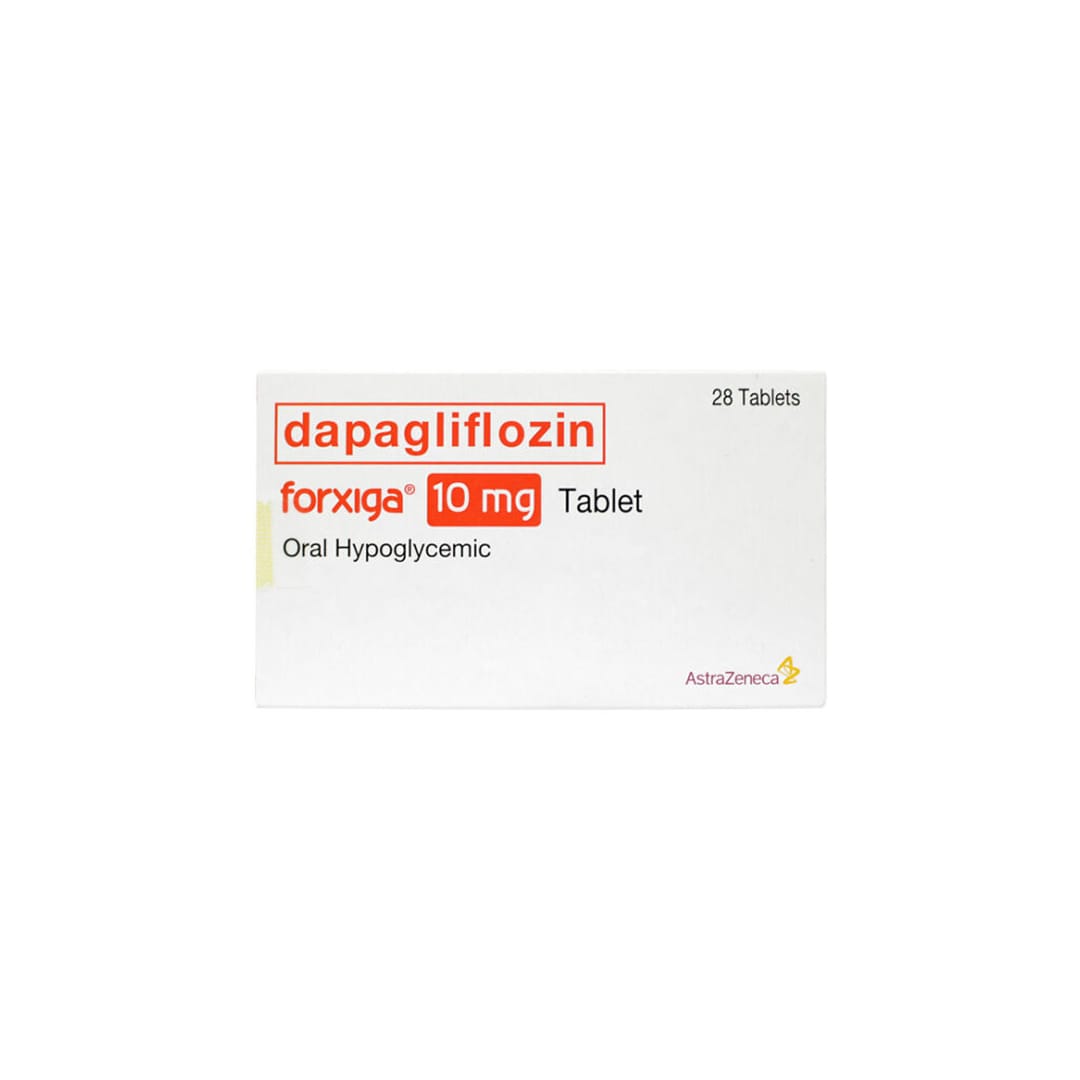
A valid prescription is required for this medication.
Buy Forxiga Online
Rx Prescription required Fast, secure shipping
Health tools
Research and education tools. They do not replace clinical advice, diagnosis, or treatment.
Blood Glucose Unit Converter
Convert glucose readings between mg/dL and mmol/L without changing the clinical value.
These calculations are for education only and do not replace clinical advice, diagnosis, or treatment. Always confirm medical decisions with a qualified healthcare professional.
HbA1c & eAG Calculator
Convert between HbA1c percentage and estimated average glucose using the ADAG relationship.
These calculations are for education only and do not replace clinical advice, diagnosis, or treatment. Always confirm medical decisions with a qualified healthcare professional.
HOMA-IR Calculator
Estimate insulin resistance from fasting glucose and fasting insulin values collected from the same blood draw.
These calculations are for education only and do not replace clinical advice, diagnosis, or treatment. Always confirm medical decisions with a qualified healthcare professional.
Carb Serving Calculator
Convert total carbohydrate grams into carb choices for meal planning and diabetes education.
These calculations are for education only and do not replace clinical advice, diagnosis, or treatment. Always confirm medical decisions with a qualified healthcare professional.
CGM Time-in-Range Summary
Summarise CGM percentages across very low, low, in-range, high, and very high glucose bands.
These calculations are for education only and do not replace clinical advice, diagnosis, or treatment. Always confirm medical decisions with a qualified healthcare professional.
About Forxiga
Forxiga is a brand of dapagliflozin, an oral SGLT2 inhibitor used in care plans for type 2 diabetes and certain heart or kidney conditions. It can be bought online, with current Forxiga price information shown alongside the tablet strength and quantity offered during ordering. Choose the dose or strength that matches your clinician’s directions, such as 5 mg or 10 mg when those strengths are shown.
Forxiga is marketed under different brand names in different countries; in the United States, dapagliflozin is commonly known as Farxiga. The active ingredient is the same, but package appearance, market name, manufacturer details, and label presentation may differ. If you are using a U.S.-from-Canada service, match the medicine name, strength, and tablet count carefully so the order aligns with your treatment plan.
Forxiga Price and Strength Selection
The Forxiga price depends on the strength, quantity, brand or generic name, and checkout total shown during ordering. A Forxiga 10 mg tablet contains 10 mg of dapagliflozin per tablet; a Forxiga 5 mg tablet contains 5 mg per tablet. The package quantity affects the total number of tablets supplied, not the amount in each tablet.
When reviewing Farxiga price, Forxiga cost, or dapagliflozin price, keep the comparison like for like. Match 5 mg tablets to 5 mg tablets, 10 mg tablets to 10 mg tablets, and the same total tablet count whenever possible. A larger quantity may have a different per-tablet value than a smaller quantity, so the checkout total and unit math both matter.
Quick tip: Do not change from 5 mg to 10 mg only because a different strength appears more convenient.
| Price detail | How to use it |
|---|---|
| Medicine name | Distinguishes Forxiga, Farxiga, or dapagliflozin on the package. |
| Strength | Confirms whether each tablet is 5 mg or 10 mg. |
| Quantity | Shows the total number of tablets supplied. |
| Brand or generic | Helps you understand whether the order is for brand-name Forxiga or dapagliflozin. |
| Checkout total | Shows the final amount before payment and service choices are completed. |
How to Order Forxiga Online
Order Forxiga online by choosing the medicine name, strength, and quantity that match your current directions. Review the address, phone number, and delivery instructions before submitting the order, especially when using US delivery from Canada. We may review order details if clarification is needed before the medicine is supplied through licensed pharmacies.
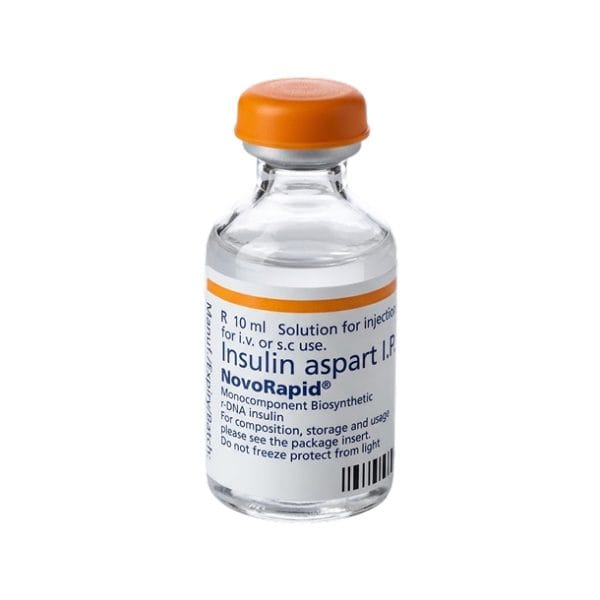
Forxiga should be used only by the person whose clinician recommended dapagliflozin. Do not share tablets with another person, even if they also take a medicine with a similar name. Keep your current medication list available, because insulin, sulfonylureas, diuretics, blood pressure medicines, and kidney-related treatments can affect how dapagliflozin fits into your care plan.
Order details should match the medicine container you expect to receive. When the package arrives, confirm the name, strength, quantity, and directions before taking the first tablet from a new supply. If the label, appearance, or tablet count does not match what you expected, pause and ask for clarification before use.
Forxiga, Farxiga, and Dapagliflozin
Forxiga contains dapagliflozin. Farxiga is another brand name used for dapagliflozin in the United States. This naming difference can be confusing during price checks, but the key product attributes are the active ingredient, strength, quantity, and whether the medicine is brand-name or generic dapagliflozin.
Some people compare brand-name Forxiga with generic dapagliflozin. The active ingredient may be the same, but tablet appearance, packaging, inactive ingredients, and manufacturer information can differ. If your clinician allows substitution, the active ingredient and strength still need to match the intended therapy.
Forxiga belongs to the SGLT2 inhibitor class. SGLT2 inhibitors reduce glucose reabsorption in the kidneys, which causes more glucose to leave the body through urine. If you want to browse the class, the SGLT2 inhibitors category groups related non-insulin medicines used in diabetes care.
What Forxiga Is Used For
Dapagliflozin may be used in adults with type 2 diabetes, chronic kidney disease, or certain heart failure conditions, depending on the approved local label and individual clinical factors. In type 2 diabetes, it is usually used with diet and exercise as part of a broader glucose-management plan. It is not insulin and does not replace emergency treatment for severe high blood glucose or diabetic ketoacidosis.
For kidney and heart conditions, dapagliflozin may be prescribed because SGLT2 inhibition affects glucose, sodium, and fluid handling in the kidneys. These effects can be relevant beyond glucose lowering, but suitability depends on kidney function, blood pressure, other medicines, and the diagnosis being treated. Browse related condition areas such as Type 2 Diabetes, Chronic Kidney Disease, and Heart Failure for broader product organization.
Forxiga is not used to treat diabetic ketoacidosis, a serious buildup of acids called ketones. People with type 1 diabetes, frequent dehydration, severe illness, major diet changes, planned surgery, or a history of ketoacidosis should discuss these factors with a clinician before starting or continuing dapagliflozin.
How Forxiga Tablets Are Usually Taken
Forxiga is an oral tablet taken according to clinician directions. Many dapagliflozin labels describe once-daily use, but the exact regimen should come from the treating clinician and the medicine label. Do not take extra tablets to make up for a missed dose unless your care team has specifically told you to do so.
Hydration and routine changes matter with this medicine. Dapagliflozin increases glucose loss through urine and can increase urination, which may contribute to fluid loss in some people. Illness, reduced food intake, vomiting, diarrhea, fasting, surgery, or heavy alcohol use can change ketone and dehydration risk.
If your routine changes during travel, illness, or a procedure, ask your clinician how to handle dosing, fluids, glucose monitoring, and ketone testing. Do not adjust the strength by splitting, doubling, or alternating tablets unless those instructions are part of your care plan.
Storage, Handling, and Travel
Forxiga tablets should be stored as directed on the package. Keep tablets in the original labeled container when possible, with the cap closed and the label readable. Protect the medicine from excess heat, moisture, and crushing.
Tablets are not normally handled as refrigerated cold-chain medicine, but the package directions still control how they should be stored. After arrival, inspect the container and tablets. Do not use tablets that are wet, discolored, broken unexpectedly, or missing required labeling.
Travel is usually simpler with tablets than with injectable medicines, but planning still helps. Carry Forxiga in labeled packaging, keep it away from extreme temperatures, and pack it where it will not be crushed. If travel changes your meals, fluid intake, activity, or time zone, ask your care team how to manage missed doses and hydration.
Side Effects, Warnings, and Monitoring
Common side effects of dapagliflozin can include genital yeast infections, urinary symptoms, increased urination, nausea, thirst, and dizziness. These effects are not the same for everyone. Contact a clinician if symptoms are persistent, severe, or unusual for you.
Important risks include dehydration, low blood pressure, kidney-function changes, urinary tract infections, genital infections, and rare ketoacidosis. Ketoacidosis symptoms can include nausea, vomiting, stomach pain, unusual tiredness, fruity-smelling breath, or trouble breathing. This can occur even when blood glucose is not extremely high, so urgent medical help is needed if these symptoms appear.
- Fluid loss risk may increase with diuretics, vomiting, diarrhea, or reduced intake.
- Low blood glucose risk may increase when dapagliflozin is used with insulin or sulfonylureas.
- Genital pain, fever, or swelling needs prompt medical attention.
- Back pain, fever, blood in urine, or burning urination may suggest infection.
- Rash, swelling, wheezing, or severe itching may signal an allergic reaction.
Monitoring may include kidney function, blood glucose patterns, blood pressure, symptoms of infection, and ketone testing during high-risk situations. Your clinician may recommend temporary holds before surgery or during serious illness. Stop-and-start decisions should be handled clinically, not by changing the quantity ordered.
Why it matters: A correct strength and quantity do not replace safety checks tied to your health history.
Interactions and Health Factors to Discuss
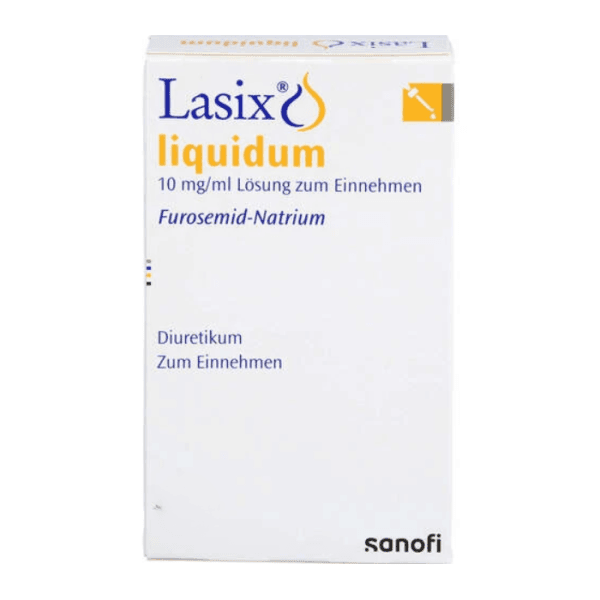
Dapagliflozin can interact with the rest of a diabetes, kidney, or heart-care plan. Insulin and sulfonylureas can raise the chance of low blood glucose when combined with glucose-lowering therapy. Diuretics, sometimes called water pills, may increase the chance of dizziness, dehydration, or low blood pressure.
Tell your clinician about kidney disease, low blood pressure, recurrent urinary or genital infections, pancreatitis history, ketoacidosis history, pregnancy, breastfeeding, upcoming procedures, and major diet changes. Very low-carbohydrate diets, heavy alcohol intake, fasting, or reduced food intake during illness can increase ketone-related risk.
Over-the-counter medicines, herbal products, and supplements also belong on your medication list. Sharing the full list helps your clinician decide whether monitoring, dose changes in other medicines, or additional safety instructions are needed.
Comparing Related Diabetes Medicines
Forxiga is a non-insulin diabetes medication, but it works differently from metformin, sulfonylureas, DPP-4 inhibitors, GLP-1 medicines, insulin, and other SGLT2 inhibitors. The right comparison depends on treatment goals, kidney function, heart failure status, blood glucose pattern, side effect history, and other medicines.
For broader browsing, the Non Insulin Diabetes Medications category includes oral and injectable non-insulin therapies used in diabetes care. The wider Diabetes Medications section organizes medicine categories, while Diabetes Products includes additional diabetes-related supplies and treatments.
Questions such as whether Forxiga is better than metformin are clinical, not only price questions. One medicine may be preferred because of kidney function, cardiovascular history, tolerance, weight goals, hypoglycemia risk, or treatment guidelines. For condition-focused reading, the Diabetes Articles collection can help you prepare practical questions for your next appointment.
Authoritative Sources
Official medicine information can change as labels are updated. For regulator-reviewed details about indications, dosing, contraindications, and safety warnings, consult the European Medicines Agency Forxiga information.
For patient-friendly information about dapagliflozin use, side effects, and missed-dose basics, review NHS dapagliflozin medicine guidance.
This content is for informational purposes only and is not a substitute for professional medical advice.
This content is for informational purposes only and is not a substitute for professional medical advice.
Customer reviews
Reviews from verified buyers, collected by Stamped.
- Reviews
- Questions
 US
USForxiga
Love this item. Its very helpful.
CanadianInsulin.com
Hi Lee! We’re so glad to hear that Forxiga has been very helpful for you. It’s always encouraging to know that the medication is making a positive difference in your health and daily life. That’s exactly what we hope for every customer we serve. Your satisfaction means a great deal to us. We remain committed to providing not only access to quality medications, but also a smooth, reliable, and supportive experience each time you order. If you ever have questions about refills, shipping, or anything else, our team is always here and happy to assist. Thank you for always choosing Canadian Insulin!
USDelivery
Order placed 11/25. It’s 12/11 and it still held up in Chicago. This is the third time this has happened. Whatever is causing the item to be held must be corrected.
CanadianInsulin.com
Hi John, Thank you for reaching out and sharing your feedback. We sincerely apologize for the continued delay and for the frustration this has caused, especially given that this is the third time you’ve experienced this issue. We understand how concerning and disappointing this situation is, particularly when timely delivery is so important. Please know that our team is actively reviewing the status of your order and investigating the cause of the recurring hold to ensure it is corrected and does not happen again. Your account manager will be reaching out shortly to provide a clear update and personally assist you until your order is successfully delivered. We truly appreciate your patience and for bringing this to our attention. Thank you for continuing to place your trust in Canadian Insulin. We are committed to resolving this issue and restoring your confidence in our service.
USWorks well
Been on this medication for awhile and have had good results. Canadian Insulin has been a great company to work with.
CanadianInsulin.com
Hi Jane, Thank you for sharing your experience! We’re thrilled to hear that the medication has been working well for you. Your trust and support mean so much to us, and we’re grateful to have the opportunity to serve you. At Canadian Insulin, we are committed to providing the best service and high-quality products to support your health journey. We look forward to continuing to serve you and are always here if you need any assistance. Thank you again for choosing Canadian Insulin!
USFarxiga
No problems at all
CanadianInsulin.com
Hi Effie! Thank you for sharing your feedback on Farxiga! We’re glad to hear that you haven’t experienced any issues. We truly appreciate you choosing Canadian Insulin. Providing excellent customer service is our top priority, and we are always here to assist you! We look forward to serving you again. Wishing you a wonderful day ahead!
USExcellent Company
Customer Service Representatives are professional and efficient. Orders received in Time line expected and in good condition. They are very good at notifying you of progress as your order as it is bein processed.
Two ways to ship
Cold-packed medications travel by Express shipping. Dry-packed medications can ship Express or Standard.
Earn points on every order
Earn points on birthdays, product orders, reviews, friend referrals, and more! Enjoy your medication at unparalleled discounts while reaping rewards for every step you take with us.
Register and/or Login
Create an account and start earning.
Earn Rewards
Earn points every time you shop or perform certain actions.
Redeem
Redeem points for exclusive discounts.
Ways to save
We stand behind our prices
We work hard to offer the very best available price. If you find a lower price on the same product, we will match it.
Learn how →Tiered pricingNew tiered pricing is here
Buy more and save more on the medications you trust: save 7% per pack when you buy 2, and 14% per pack when you buy 3 or more.
See tiered pricing →You might also like
View all →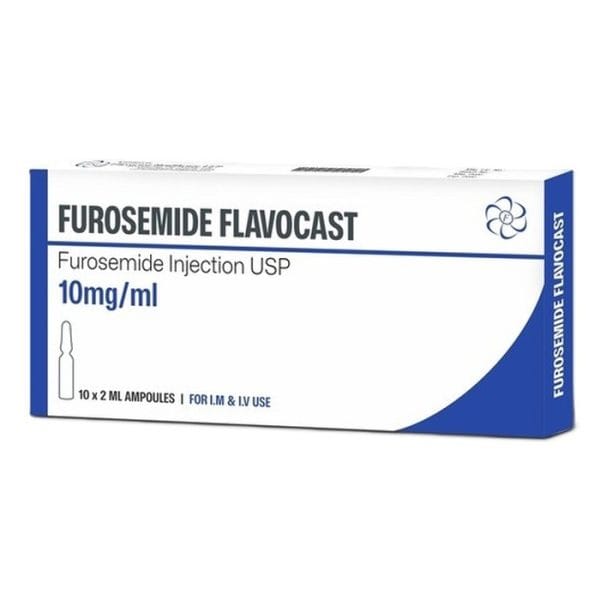
Related articles
View all →
Joint Health Habits to Prevent Injury and Maintain Strength
Joint health improves when you combine regular movement, strength training, balanced nutrition, enough recovery, and early attention to pain signals. This matters…
Read more →
Entresto Dose Planning: Strengths, Titration, and Safety
The usual Entresto dose for many adults with heart failure starts at 49/51 mg twice daily, then may increase after 2 to…
Read more →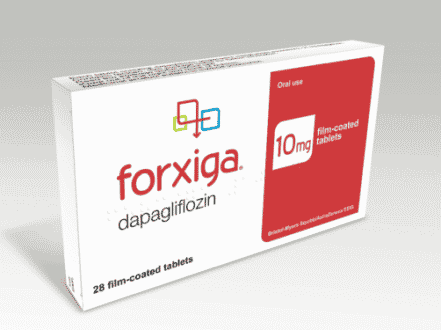
Farxiga Uses and Benefits: How Forxiga Fits Into Care
Dapagliflozin, sold as Farxiga and Forxiga in different markets, is a medicine used in type 2 diabetes and, in some patients, chronic…
Read more →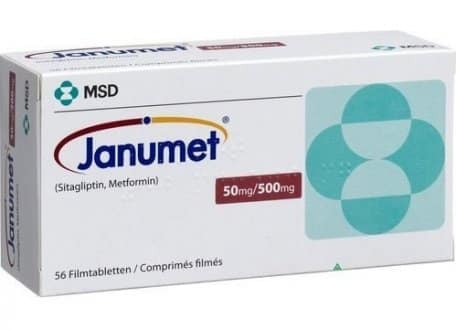
Janumet Dosage: Strengths, Meal Timing, and Monitoring
Janumet dosage is individualized for adults with type 2 diabetes based on current treatment, kidney function, tolerability, and glucose goals. The medicine…
Read more →Speak to us
Our customer service team are highly experienced and friendly. Get in touch today.
What is Forxiga used for?
Forxiga contains dapagliflozin, an SGLT2 inhibitor. Depending on the approved local label and individual clinical factors, dapagliflozin may be used for adults with type 2 diabetes, chronic kidney disease, or certain heart failure conditions. It is not a treatment for diabetic ketoacidosis.
Is Forxiga the same as Farxiga?
Forxiga and Farxiga are brand names for dapagliflozin used in different markets. The active ingredient is the key match, but packaging, naming, manufacturer details, tablet appearance, and available presentations may differ.
What strengths are commonly associated with Forxiga?
Forxiga is commonly discussed as 5 mg and 10 mg tablets. The strength describes the amount of dapagliflozin in each tablet. Choose the strength that matches your clinician’s directions rather than changing strengths for convenience or cost alone.
What side effects should I watch for with dapagliflozin?
Common effects can include genital yeast infections, urinary symptoms, increased urination, nausea, thirst, and dizziness. Serious symptoms such as vomiting, stomach pain, trouble breathing, fever, blood in urine, genital pain, swelling, or signs of allergy need prompt medical attention.
Can Forxiga cause low blood sugar?
Dapagliflozin alone has a lower hypoglycemia risk than some diabetes medicines, but low blood glucose risk can increase when it is used with insulin or sulfonylureas. Follow the monitoring plan given by your clinician and report recurring low readings.
How should Forxiga tablets be stored?
Store Forxiga tablets as directed on the package, usually in the original labeled container with protection from excess heat, moisture, and crushing. Do not use tablets that are wet, damaged, discolored, or missing required labeling.
Speak to our team
 Call toll free1-844-560-7790
 Emailservice@canadianinsulin.com
Monday to Friday 7am – 11pm EST
Saturday 7am to 7pm EST
Sunday 8am – 5pm EST