


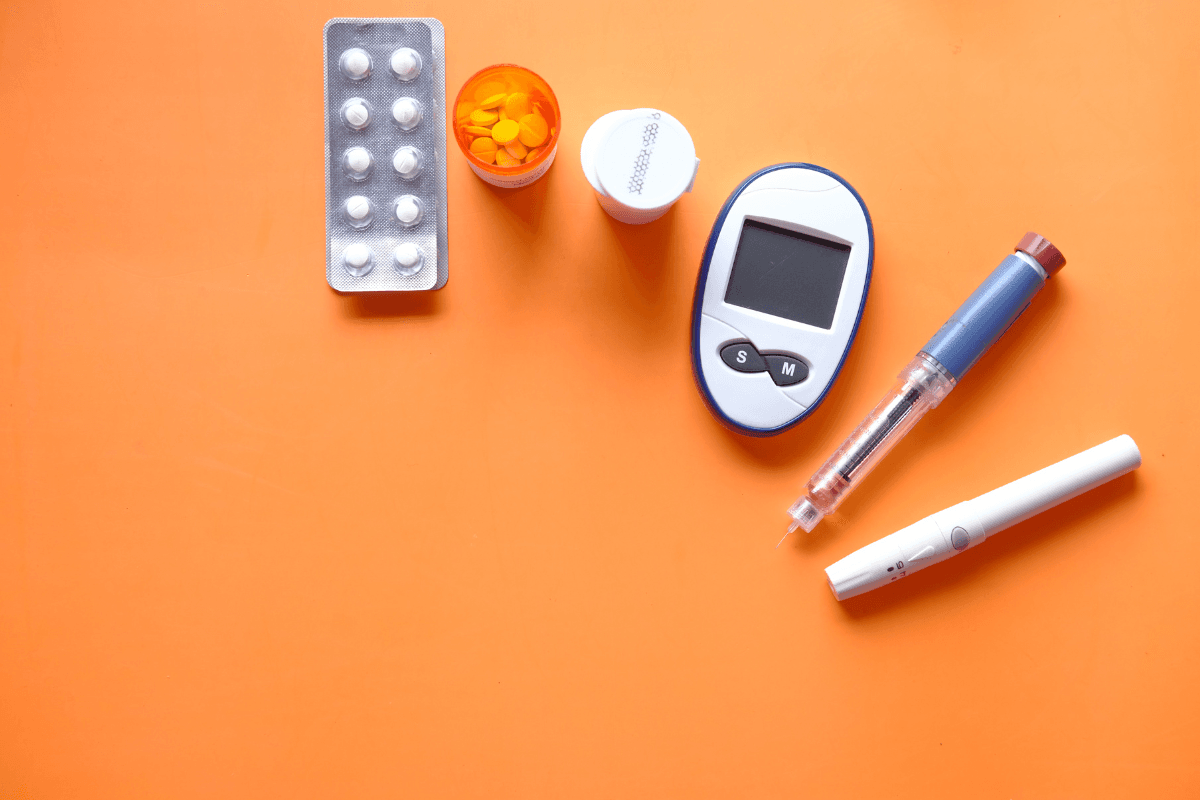
Choosing between treatments is easier with a side‑by‑side view. This overview compares Jardiance and Victoza by class, benefits, safety, and use in practice. We highlight where each medicine may fit, and when combination strategies deserve discussion. Early on, we address jardiance vs victoza to set a clear frame for your next clinical conversation.
Key Takeaways
- Different drug classes: Jardiance blocks kidney glucose reabsorption; Victoza activates GLP‑1 receptors.
- Weight and heart‑kidney profiles differ, which can shape treatment priorities.
- Gastrointestinal effects tend to be higher with GLP‑1 drugs; genital infections with SGLT2 agents.
- Monitoring hydration, kidney function, and pancreatitis risk is essential with these therapies.
Jardiance vs Victoza: Core Differences
Jardiance (empagliflozin) is an SGLT2 inhibitor. It helps the kidneys excrete excess glucose, which lowers blood sugar in type 2 diabetes. Victoza (liraglutide) is a GLP‑1 receptor agonist (incretin mimetic). It enhances glucose‑dependent insulin secretion and slows gastric emptying. These distinct mechanisms explain their different effects on weight, gastrointestinal tolerance, and fluid balance.
Both products have broad indications in diabetes care. According to FDA sources, empagliflozin supports glycemic control and has approved cardiovascular and kidney‑related uses, while liraglutide treats type 2 diabetes and reduces cardiovascular risk in certain adults. For labeling scope and warnings, review the FDA prescribing information for empagliflozin and liraglutide before making decisions.
Practical use differs as well. Jardiance is an oral tablet taken once daily. Victoza is a subcutaneous injection given once daily with a dose‑escalation phase to improve tolerability. For background on GLP‑1 titration goals and everyday technique, see the Victoza Dosing Guide for practical pointers.
Efficacy and Outcomes
Both therapies lower A1C when used with diet and exercise. In practice, prescribers often select between them based on weight goals, gastrointestinal tolerance, heart‑kidney priorities, and individual risk factors. If weight is a major concern, many patients ask, does jardiance cause weight loss. Modest weight reductions can occur with SGLT2 inhibitors, while GLP‑1 agents generally show more pronounced weight effects, although responses vary.
Cardiometabolic outcomes also guide therapy. Jardiance has evidence supporting cardiovascular and kidney protection in defined populations. Victoza reduces major adverse cardiovascular events in adults with type 2 diabetes and established cardiovascular disease. For a broader context on the roles of SGLT2 and GLP‑1 agents in cardiometabolic care, the American Diabetes Association’s Standards of Care provide neutral guidance on risk‑based selection (American Diabetes Association publications offer yearly updates).
Combination with other agents is common in practice. Metformin, DPP‑4 inhibitors, and basal insulin may be part of the regimen. For an orientation to multi‑drug strategies, see Common Diabetes Medications for mechanism overviews, and review SGLT2‑specific details in Jardiance Drug Class to understand class‑wide traits.
Safety and Side Effects: What to Expect
Safety profiles differ by class. With SGLT2 inhibitors, urinary and genital infections, increased urination, dehydration, and rare ketoacidosis can occur. With GLP‑1 receptor agonists, nausea, vomiting, diarrhea, and possible gallbladder issues are more common. Pancreatitis is a labeled risk with GLP‑1 drugs, so prompt evaluation of severe abdominal pain is important.
Patients often search for jardiance side effects when starting therapy. Typical early effects include increased urination and genital yeast infections, particularly in those with prior history. Good genital hygiene and prompt treatment of symptoms help. For a practical walkthrough on minimizing SGLT2 adverse effects, see Side Effects of Jardiance for prevention strategies and timing tips.
Note: Sudden illness, low oral intake, or surgery may raise ketoacidosis risk with SGLT2s. Clinicians sometimes pause therapy during acute stress. Your care team can advise on sick‑day plans tailored to your history.
Long-Term Safety and Monitoring
Chronic use requires periodic checks. Hydration status, electrolytes, and kidney function (eGFR) deserve attention with SGLT2 inhibitors. With GLP‑1 therapy, monitor gastrointestinal tolerance, potential gallbladder‑related symptoms, and injection‑site reactions. Discuss bone health, recurrent infections, and any history of pancreatitis before starting therapy.
Concerns about long term side effects of empagliflozin are understandable. Published data have not shown the specific amputation signal observed with another SGLT2 in earlier studies, but individualized risk assessment remains prudent. Routine follow‑up visits can address blood pressure, volume status, and infection prevention. For kidney‑focused monitoring points, see Jardiance for Kidney Disease for an overview of assessment intervals.
Kidney and Heart Considerations
SGLT2 inhibitors have reshaped cardio‑renal care. Jardiance supports heart failure and chronic kidney disease management in appropriate patients, independent of A1C effects. Victoza addresses atherosclerotic risk reduction in type 2 diabetes with established cardiovascular disease. These distinctions can influence first‑line choices when heart or kidney outcomes dominate the care plan.
Some patients ask about jardiance side effects kidney. Volume depletion can transiently lower eGFR at initiation, and urinary infections may occur. Adequate hydration, renal function checks, and prompt evaluation of fever or flank pain are important safeguards. For a deeper dive on SGLT2 effects in heart failure, see SGLT2 Inhibitors and Heart Failure for clinical context.
Comparing SGLT2 options can also help. For class differences and selection nuances, visit Invokana vs Jardiance for a structured comparison, then return to GLP‑1 choices with Victoza vs Ozempic to understand incretin alternatives.
Using Therapies Together
Combining a GLP‑1 receptor agonist with an SGLT2 inhibitor is a recognized strategy in practice when glucose goals and cardio‑renal needs align. Discussion should include gastrointestinal tolerance, dehydration risk, and the patient’s cardiovascular profile. When clinicians consider victoza and jardiance together, they also review background medications, sick‑day rules, and lab monitoring.
Pragmatic pathways often begin with metformin, then layer therapies by risk profile and A1C goals. To compare GLP‑1 and DPP‑4 choices, see Jardiance vs Januvia for mechanism contrasts, and revisit broader therapy maps in What Is Jardiance Used For to understand where each class fits.
Alternatives and Similar Options
If daily injection is challenging, weekly GLP‑1 agents like semaglutide or dulaglutide may be discussed. If oral options are preferred, other SGLT2s such as canagliflozin or dapagliflozin are potential alternatives. Class characteristics are similar, but labeling, dose forms, and safety notes vary. For SGLT2 comparisons within the class, consider the article on Invokana vs Jardiance to understand practical differences.
Among incretin options, semaglutide is a common comparator. For a head‑to‑head perspective, review Victoza vs Ozempic to see how weekly dosing and tolerability stack up. If you and your clinician are mapping long‑term strategy, browsing the Type 2 Diabetes collection can help organize questions for your next visit.
Diet and Practical Use
Nutrition and hydration shape outcomes with both classes. With SGLT2 therapy, maintaining fluid intake, moderating alcohol, and avoiding prolonged fasting can reduce volume‑related effects. Many patients ask about foods to avoid while taking jardiance. There is no specific banned food list, but limiting very high‑sugar drinks and prioritizing balanced meals helps manage post‑meal glucose and dehydration risk.
With GLP‑1 therapy, smaller meals and slower meal pacing can ease nausea. If gastrointestinal symptoms flare, bland foods and temporary fat reduction may help. Structured monitoring and symptom notes can guide clinician adjustments. For broader context on when and how SGLT2 therapy is used, see Jardiance Drug Class for mechanism and practical considerations.
Tip: Keep a simple symptom and hydration log during the first weeks. Short notes often reveal triggers and patterns that are easy to address.
Sex and Eye Considerations
Susceptibility to genital infections can differ by anatomy and prior history. Hygiene practices and early symptom reporting are important, particularly for those with recurrent infections. Women may experience vulvovaginal candidiasis more often with SGLT2s, while urinary infections can occur in any sex. Clinicians tailor prevention advice based on prior episodes and local resistance patterns.
Some people ask about jardiance side effects on eyes. There is no established direct ocular toxicity, but large glucose swings and dehydration may transiently affect vision. Prompt evaluation is prudent if sudden changes occur. For broader side‑effect planning, including female‑specific concerns and injection‑site care, the overview in What Is Jardiance Used For can help frame the discussion, and practical tips appear in Side Effects of Jardiance.
Recap
Jardiance and Victoza work through different pathways and address distinct priorities. The choice depends on weight goals, GI tolerance, cardio‑renal needs, and personal preferences. Many treatment plans combine classes under clinical supervision. When ready to compare options across classes, the curated Diabetes articles provide structured, neutral guidance.
For detailed regulatory information on indications, risks, and monitoring, always consult the latest FDA prescribing information and professional guidelines before making changes.
This content is for informational purposes only and is not a substitute for professional medical advice.











