


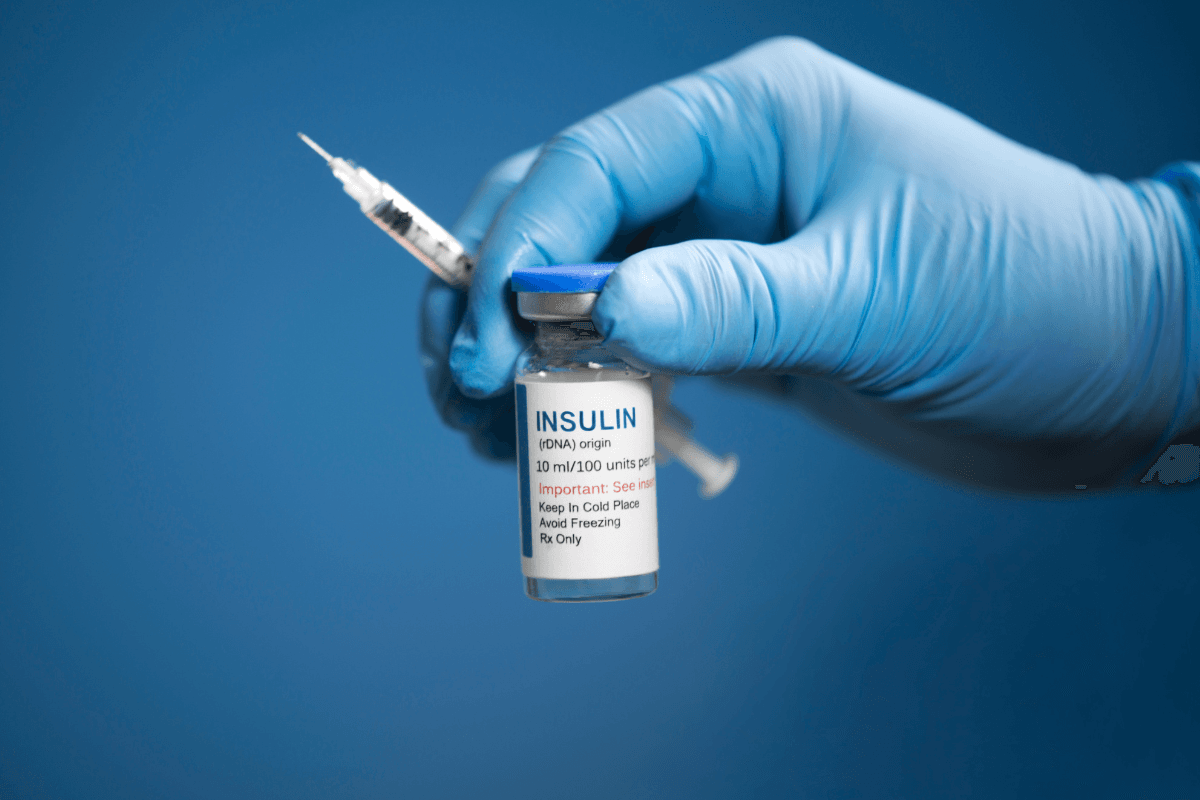
Used thoughtfully, sliding scale insulin therapy can help manage short-term hyperglycemia. This guide clarifies where it fits in modern care, how clinicians calculate correction doses, and how to avoid common pitfalls. You will find examples, conversions, and references to current protocols.
Key Takeaways
- Correction-first approach: use scales to address high readings, not as sole therapy.
- Match route to context: subcutaneous for stable patients; IV for acute care.
- Use standardized units and conversions to reduce dosing errors.
- Follow current protocols and document trends, not isolated values.
What Sliding Scales Aim to Do
Sliding scales adjust rapid- or short-acting insulin (correctional insulin) based on current capillary glucose. The goal is to counter hyperglycemia while maintaining basal insulin and meal coverage when appropriate. In hospitals, this approach serves as a safety net, not a stand-alone plan. Outpatients may see similar logic applied for occasional corrections under clinician guidance.
Teams often pair a basal regimen with a meal bolus and a scale for corrections. An Insulin Dosage Chart offers general context for dose ranges, while specific correction scales are individualized. For unit safety and strength conversions, see Insulin Conversions for preparation differences and equivalencies.
Structure matters because isolated readings can mislead. Clinicians track trends, timing of meals, and concurrent steroids or illness. Documentation should capture glucose trajectories and response to administered insulin.
Sliding Scale Insulin Therapy in Practice
Clinical teams begin with a target range, a correction factor, and a defined reassessment interval. Orders should specify timing relative to meals, hypoglycemia management, and when to escalate care. Nursing workflows emphasize meter accuracy, double-checks for units, and documentation of site rotation and timing.
Hospitals may maintain pre-approved scales for different sensitivities. For a specific rapid-acting analog example and context, see the Humalog Sliding Scale Chart to understand how dose bands are structured. Short-acting regular insulin remains in use for some contexts; review Humulin R 100U/mL labeling details when comparing onset and duration in practice.
Teams also plan for missed meals, delayed procedures, or steroid-induced hyperglycemia. Orders note when to hold doses, when to repeat measurements, and how to treat low glucose events.
Formulas, Units, and Conversions
Many services start from a standardized correction factor (insulin sensitivity factor) and then translate it to a ward-friendly scale. When clinicians need a general equation, a sliding scale insulin formula may be defined from a patient’s insulin sensitivity and target range. Sites standardize rounding rules and avoid ambiguous abbreviations. Consistency reduces calculation errors during shift changes or cross-cover.
Always confirm units. In North America, meters often read mg/dL, while some global settings use mmol/L. Teams post quick-reference conversion charts on medication fridges and nurse stations. Converting units before dosing prevents misinterpretation of high readings and erroneous large corrections.
Worked Examples (Educational)
Consider a patient with stable nutrition and a known correction factor. The team sets a target range and bands glucose values into safe increments. From those bands, the scale lists small dose steps and a reassessment plan. Each increment must reflect the insulin type’s onset and peak, the meal timing, and prior dose response. By documenting both pre-dose and post-dose values, clinicians can calibrate the next shift’s expectations. If values drift upward with steroids or infection, the scale bands and basal plan are reviewed together, not in isolation.
For inpatient safety standards and current recommendations, see the ADA Standards of Care 2024 for hospital management guidance. These recommendations emphasize scheduled basal-bolus strategies and careful use of correction insulin.
Routes and Clinical Settings: IV vs Subcutaneous
In acute care, teams decide between intravenous or subcutaneous dosing. The phrase sliding scale insulin iv or sc reflects a common decision point when patients are unstable, fasting, or critically ill. IV infusions allow rapid titration, but require close monitoring, pumps, and clear handoffs. Subcutaneous dosing suits stable patients with predictable intake and routine checks.
Many U.K. hospitals use a variable rate intravenous insulin infusion (VRIII) for perioperative or acutely unwell patients. The JBDS inpatient group guidance explains when to initiate VRIII, how to adjust rates, and when to transition off the infusion. When transitioning from IV to SC, teams plan overlap to maintain glycemic control.
Route selection also depends on staffing, meter availability, and risk of fluid shifts. Policies define triggers for IV initiation, frequency of checks, and documentation.
Tools and Calculators
Digital aids can reduce arithmetic mistakes. Some clinicians reference an insulin sliding scale calculator for educational modeling or protocol drafting. Others prefer built-in electronic medical record calculators that log values automatically. Regardless of the tool, institutional approval, audit trails, and unit labeling are essential for safety.
Apps that calculate insulin factors or doses may help illustrate concepts for trainees. However, teams validate settings against local formularies and protocols. For a broader therapy context, review Common Diabetes Medications to understand agents that can influence glucose patterns.
Weight-Based Concepts and Starting Points
Weight helps estimate sensitivity, especially at first contact or during transitions. Clinicians sometimes discuss insulin dose per kg when framing starting points for total daily dose before setting correction bands. These weight-based estimates remain only a starting step. They require refinement using serial glucose readings and meal patterns.
Basal insulin choices vary by pharmacokinetics and patient factors. For background comparisons of long-acting options, the product page for Lantus Cartridges 100 Units/mL can help contextualize onset and duration data. Teams still reassess basal needs when steroids change, renal function shifts, or nutrition status evolves.
Charts and Examples
Hospitals often maintain tiered scales. A low dose sliding scale insulin chart may serve insulin-sensitive patients, while moderate or high scales address greater resistance. Each tier defines glucose bands, dose steps, and reassessment timing. Institutions standardize presentation so that staff can find the correct row quickly during busy shifts.
Below is an educational example. Local protocols vary and take precedence.
| Capillary Glucose | Correction Dose | Action |
|---|---|---|
| 6.0–8.0 mmol/L (108–144 mg/dL) | 0 units | Recheck at routine interval |
| 8.1–10.0 mmol/L (145–180 mg/dL) | 1 unit | Recheck in 2–4 hours |
| 10.1–12.0 mmol/L (181–216 mg/dL) | 2 units | Assess meal timing |
| 12.1–14.0 mmol/L (217–252 mg/dL) | 3 units | Consider earlier recheck |
| >14.0 mmol/L (>252 mg/dL) | 4 units | Follow escalation policy |
For rapid-acting analog comparisons related to correction dosing, see Fiasp vs Novolog for onset and peak differences. Choice of insulin affects timing and the interval between checks. Always confirm formulation and strength before dose preparation.
Guidelines and Protocols
There is no single universal insulin sliding scale guideline 2024 because recommendations differ by country, setting, and patient factors. However, themes are consistent across modern guidance: prioritize basal-bolus strategies, use correction insulin safely, and avoid scale-only regimens when possible. The ADA hospital standards stress structured orders, hypoglycemia prevention, and timely reassessment.
U.K. services often reference NICE and JBDS materials for hospital practice and VRIII use. Many Canadian and NHS protocols provide printable charts within their local policies, accessible through intranet sites or credentialed portals. For broad background reading and updates, browse the Diabetes Articles library, or explore type-specific topics in Type 1 Diabetes to understand differing insulin requirements.
Education and standardization improve safety across disciplines. Units implement laminated bedside cards, EMR-embedded calculators, and simulation training for new staff. These measures help reduce missed doses, decimal errors, and delayed reassessments.
Compare and Related Topics
Readers often compare short-acting and rapid-acting options when building scales. For pharmacology contrasts and timing implications, see Lispro vs Regular Insulin for a concise overview. Differences in onset and peak guide the spacing of checks and the size of correction bands.
Calculations may involve unit conversions, strength checks, and cross-product considerations. A quick reference like Insulin Conversions helps reduce errors when moving between vial, pen, or pump regimens. When reviewing institutional education or awareness campaigns, the Diabetes Education Week feature highlights practical resources for teams.
Where regular insulin is used, vials remain common in some units. For a label-based perspective on onset and duration, see Insulin Conversions again for cross-checks, and the brand’s product monograph as the primary source.
Recap
Sliding scales can help correct high readings when paired thoughtfully with basal and meal dosing. Use standardized units, validated tools, and clear escalation steps. Align practice with current inpatient standards and local policies.
Document trends, not isolated values, and reassess when context changes. Combine education with checklists to support consistent, safe dosing across shifts.
Note: Examples here are educational and do not replace local protocols or prescriber judgment.
This content is for informational purposes only and is not a substitute for professional medical advice.











