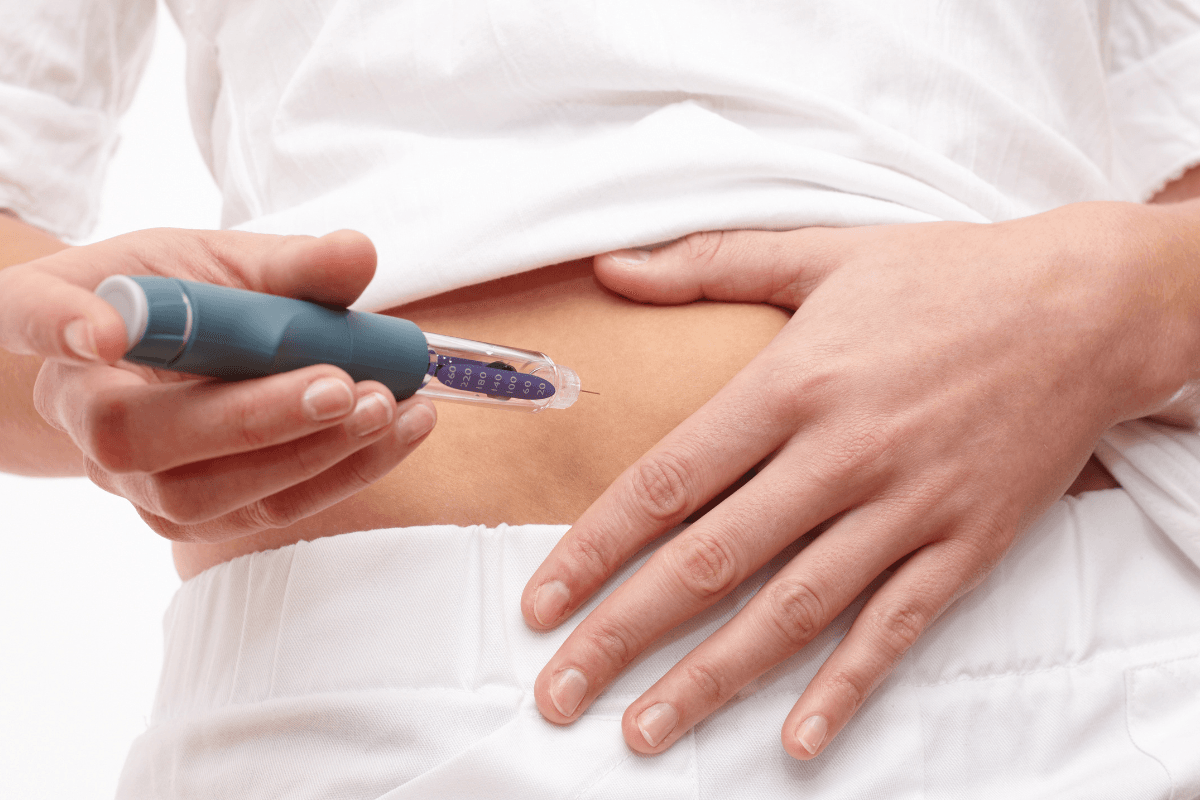
Insulin sensitivity means how well your muscle, liver, and fat cells respond to insulin. Higher insulin sensitivity usually helps the body move glucose from the blood into cells more efficiently, which can support steadier fasting and after-meal glucose levels.
This matters because low sensitivity, often called insulin resistance, can raise insulin demand over time. The pancreas may compensate for a while by making more insulin. If that compensation weakens, blood glucose may rise and increase the risk of prediabetes or type 2 diabetes.
Key Takeaways
- Better response: Cells use insulin more efficiently.
- Main levers: Food, activity, sleep, and weight patterns matter.
- Testing helps: Labs show glucose and insulin trends.
- No quick cure: Sustainable habits work better than extremes.
- Medical review: Medicines may help when risk is higher.
What Insulin Sensitivity Means Day to Day
Insulin sensitivity describes the amount of insulin your body needs to manage glucose. If your cells respond strongly, less insulin is needed for the same glucose-lowering effect. If your cells respond poorly, your pancreas must work harder to keep glucose within range.
Insulin resistance is the opposite pattern. It does not mean insulin is absent. It means cells in key tissues do not respond as well as expected. Muscle is especially important because it handles much of the glucose used after meals. The liver also matters because it releases stored glucose between meals.
High insulin sensitivity is generally favorable, but context matters. People who use insulin or certain diabetes medicines can still develop low blood sugar if medication, meals, and activity are not balanced. Anyone with repeated lows, pregnancy, kidney disease, gastroparesis, or an eating disorder history should review changes with a clinician or registered dietitian.
For a deeper contrast between response problems and hormone shortage, see Insulin Resistance vs Insulin Deficiency.
Why Insulin Resistance Develops
Insulin resistance usually develops from several overlapping factors, not one single cause. Genetics, visceral fat, low muscle mass, inactivity, sleep disruption, stress hormones, and some medications can all reduce cellular response to insulin.
Visceral fat, the fat stored around abdominal organs, is strongly linked with metabolic risk. It can contribute to inflammation and higher levels of free fatty acids, which may interfere with insulin signaling. Weight is not the only factor, though. Some lean people also develop insulin resistance because of family history, liver fat, sleep problems, or low fitness.
Age can also shift risk. Muscle mass often declines with aging unless people train against resistance. Since muscle acts as a large glucose storage site, losing it can make glucose control harder. Hormonal changes, including menopause and polycystic ovary syndrome (PCOS), can also affect insulin response in some women.
Why it matters: Identifying the likely drivers helps you choose realistic changes first.
For more context on body weight and insulin action, read Insulin Resistance and Weight Gain.
Food Patterns That Support Better Response
An insulin resistance diet is not a single fixed meal plan. It is a pattern that improves meal quality, moderates refined carbohydrates, and supports a healthier glucose response. The details should fit your culture, budget, medications, and health conditions.
Start with the plate structure. Include non-starchy vegetables, a protein source, and a high-fiber carbohydrate when appropriate. Beans, lentils, oats, barley, whole fruit, yogurt without added sugar, nuts, seeds, fish, poultry, tofu, and eggs can all fit for many people. Portions still matter, especially for carbohydrate-rich foods.
Refined starches and sugary drinks often raise glucose quickly. Examples include regular soda, sweet tea, candy, many pastries, white bread, and large servings of white rice or pasta. You do not need to ban every carbohydrate. Instead, pair carbohydrates with protein, fiber, and healthy fats to slow digestion and improve satiety.
Practical Food Targets
- Fiber first: Aim for high-fiber foods most days.
- Protein each meal: Include a steady source.
- Carb quality: Choose less processed options.
- Drink choices: Replace sugar-sweetened drinks when possible.
- Meal timing: Avoid long gaps that trigger overeating.
If weight change is part of your care plan, calorie balance still matters. However, severe restriction can backfire and may be unsafe for people using glucose-lowering medicines. The Weight Management collection can help you browse related topics on body weight and metabolic health.
Movement, Muscle, and Sleep
Physical activity increases glucose uptake by muscle during and after exercise. This effect can occur even before major weight change, which is why movement is one of the most practical ways to improve insulin sensitivity.
A balanced routine usually includes aerobic activity and resistance training. Brisk walking, cycling, swimming, and similar activities support glucose use and cardiovascular health. Resistance training helps preserve or build muscle, giving the body more capacity to store glucose as glycogen.
Many adults aim for at least 150 minutes of moderate aerobic activity each week, plus two or more strength sessions, when safe for their health status. People with neuropathy, heart disease, joint disease, foot ulcers, or vision complications may need modified activities. A short walk after meals can also help some people reduce post-meal glucose rises.
Sleep and stress deserve equal attention. Short sleep and irregular schedules can worsen appetite regulation and glucose handling. Chronic stress can raise cortisol, a hormone that may increase glucose release from the liver. Relaxation skills will not replace nutrition or exercise, but they can make a plan easier to follow.
Quick tip: Schedule strength sessions like appointments, then keep the starting routine small.
Testing and Tracking Progress
There is no single perfect insulin resistance test for everyday care. Clinicians often combine fasting glucose, A1C, lipid levels, liver enzymes, waist circumference, blood pressure, and medical history. Some use fasting insulin with fasting glucose to estimate insulin resistance.
HOMA-IR is one common research and clinical estimate. It uses fasting glucose and fasting insulin to approximate insulin resistance. It can be useful for discussion, but it does not diagnose a condition by itself. Lab methods and reference ranges vary, so interpretation belongs with your healthcare team.
This calculator can help estimate HOMA-IR from fasting glucose and fasting insulin values. It is a discussion aid, not a diagnosis or treatment decision tool.
HOMA-IR Calculator
Estimate insulin resistance from fasting glucose and fasting insulin values collected from the same blood draw.
These calculations are for education only and do not replace clinical advice, diagnosis, or treatment. Always confirm medical decisions with a qualified healthcare professional.
Other tests may be used when the picture is unclear. An oral glucose tolerance test can show how glucose changes after a measured glucose drink. Continuous glucose monitoring can reveal patterns after meals, during sleep, and around exercise, although access and interpretation vary.
Signs Your Plan May Be Helping
Signs insulin resistance is reversing are usually gradual. Fasting glucose may improve, waist circumference may trend down, triglycerides may fall, and energy after meals may feel steadier. If you use a glucose meter or sensor, you may see fewer post-meal spikes. These changes should be interpreted with your clinician, especially if you use medicines that can cause hypoglycemia.
For broader condition context, the Type 2 Diabetes collection organizes related educational topics.
Medicines and Supplements: Where They Fit
Lifestyle changes are the foundation, but medicines may be appropriate when glucose, weight, cardiovascular risk, or kidney risk needs additional support. A clinician may consider options based on A1C, kidney function, heart history, weight goals, side effects, cost, and patient preferences.
Metformin is commonly used in type 2 diabetes care and may be discussed for some people with prediabetes risk factors. Other medicine classes work through different pathways, such as increasing urinary glucose excretion or supporting appetite and glucose regulation. Product-specific benefits and risks should be reviewed against official labeling and personal medical history.
For medication context, see Metformin or the SGLT2 inhibitor example Farxiga Dapagliflozin. These pages are for product-specific background and should not replace prescribing guidance.
Supplements for insulin resistance need caution. Berberine, inositol, magnesium, alpha-lipoic acid, and chromium are often discussed, but research findings vary by product, dose, population, and study quality. Supplements can interact with medicines, affect glucose, or cause side effects. Quality control also differs across brands.
Be especially cautious with claims about the fastest way to cure insulin resistance. Insulin sensitivity can improve, and some people move out of the prediabetes range, but “cure” language is usually too simple. Long-term maintenance depends on habits, medical conditions, medications, and weight patterns.
Women’s Health and Hormonal Considerations
Insulin resistance symptoms in females can be subtle or overlap with other conditions. Fatigue after high-carbohydrate meals, central weight gain, elevated triglycerides, skin tags, or darkened skin folds may appear in some people. These signs are not diagnostic on their own.
PCOS is one important example. It can involve irregular periods, acne, unwanted facial hair, and insulin resistance. Menopause may also change fat distribution and glucose patterns. Pregnancy requires separate guidance because glucose targets and nutrition needs differ, and gestational diabetes screening follows specific care pathways.
Women with cycle changes, infertility concerns, repeated high glucose readings, or symptoms of low blood sugar should seek medical evaluation. A clinician can decide whether testing should include A1C, fasting glucose, lipid testing, thyroid testing, androgen levels, or other assessments.
Build a Sustainable Self-Care Plan
Insulin resistance self-care works best when it is specific and repeatable. A plan should reduce decision fatigue, not add more pressure. Choose two breakfasts, two lunches, and two dinners that fit your glucose goals. Keep a simple grocery list ready for busy weeks.
Then attach movement to existing routines. Walk after one meal, add two strength sessions, or set a step goal that matches your current fitness. If you do too much too soon, soreness or schedule strain can disrupt consistency.
Tracking should be simple. Consider waist circumference, body weight if appropriate, fasting glucose if recommended, A1C trends, sleep duration, and activity minutes. Avoid checking so often that the data increases anxiety. Review patterns over weeks, not single readings.
If weight loss is part of your plan, How to Lose Weight With Insulin Resistance offers more practical context. For a wider metabolic-risk view, see Metabolic Syndrome.
When to Get Medical Guidance
Seek medical guidance if home glucose readings are repeatedly high, symptoms worsen, or you have signs such as excessive thirst, frequent urination, unexplained weight loss, blurry vision, or recurrent infections. Urgent care is appropriate for severe weakness, confusion, vomiting, dehydration, chest pain, or symptoms of very low blood sugar.
Review any major diet or exercise change if you use insulin, sulfonylureas, or other medicines that can cause hypoglycemia. Changes in carbohydrate intake or activity can alter glucose patterns. Your clinician may need to review medication timing, safety monitoring, or lab follow-up.
CanadianInsulin.com is a prescription referral platform, and prescription details may be confirmed with prescribers where required. Dispensing and fulfilment are handled by licensed third-party pharmacies where permitted. For browsing related therapy categories, the Diabetes Products category can provide product navigation without replacing clinical advice.
Authoritative Sources
For a federal overview of insulin resistance and type 2 diabetes risk, see the CDC page on insulin resistance and type 2 diabetes.
For patient-friendly definitions and prediabetes context, review the NIDDK resource on prediabetes and insulin resistance.
For current clinical standards on diabetes prevention and care, consult the ADA Standards of Care in Diabetes.
Recap
Improving insulin sensitivity is usually a gradual process. Focus first on food quality, muscle-building activity, sleep regularity, stress management, and sensible tracking. Use lab results and symptoms to guide conversations with your healthcare team.
Medicines and supplements may have a role for some people, but they require individualized review. The safest plan is the one you can maintain and adjust with appropriate medical support.
This content is for informational purposes only and is not a substitute for professional medical advice.