


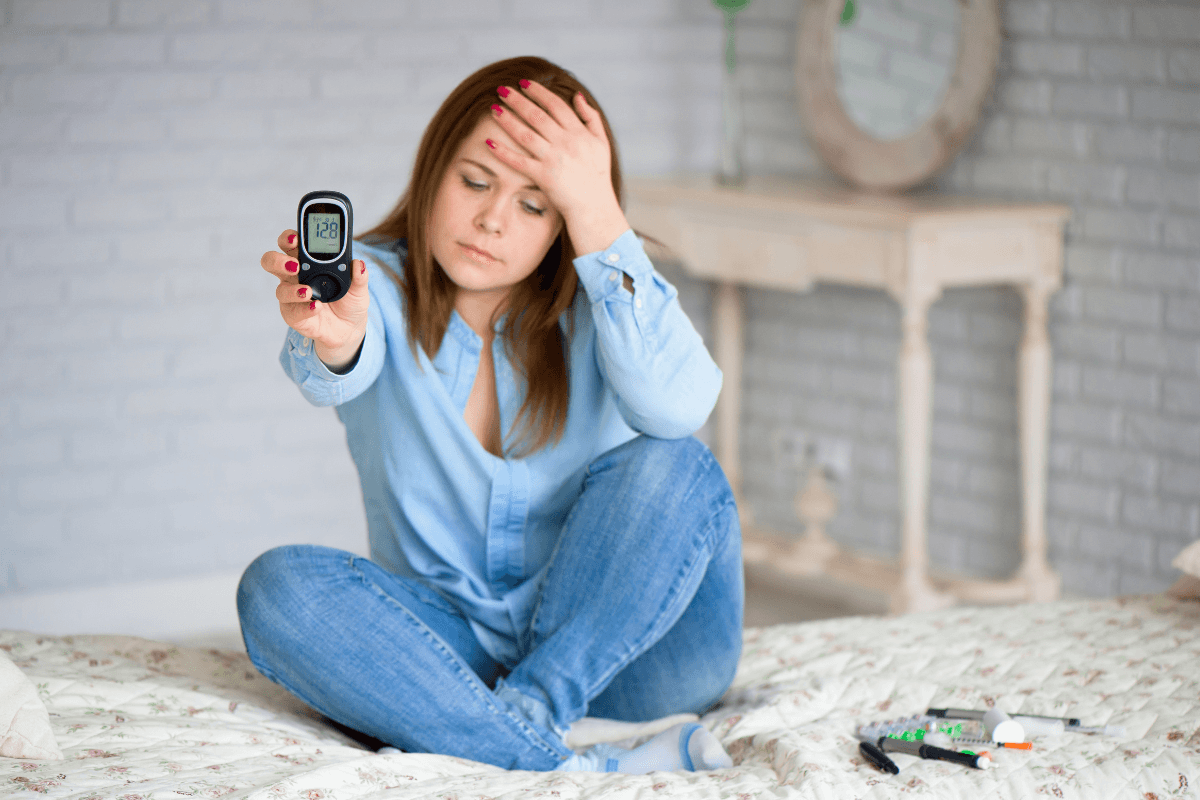
To manage hypoglycemia, act as soon as symptoms appear or a glucose reading is low. Use a fast-acting carbohydrate if you can swallow safely, recheck your glucose, and get help if confusion, fainting, seizure, or unsafe swallowing occurs. Knowing how to manage hypoglycemia matters because low blood sugar can affect judgment quickly, especially during sleep, exercise, or driving.
This article focuses on practical self-care for people with diabetes and caregivers. It also explains when lows can happen without diabetes, why repeated episodes need review, and how to prepare for emergencies.
Key Takeaways
- Act early: Treat symptoms or readings below your action threshold.
- Use fast carbs: Choose glucose tablets, juice, or regular soda.
- Recheck soon: Confirm recovery before driving or exercising.
- Plan prevention: Match meals, activity, alcohol, and medicines.
- Prepare help: Keep glucagon and emergency contacts accessible.
Recognizing Low Blood Sugar Before It Becomes Severe
Hypoglycemia means blood glucose has fallen low enough to cause symptoms or safety risk. Many diabetes care plans use 70 mg/dL (3.9 mmol/L) as the point for action, even if symptoms are mild. A reading below 54 mg/dL (3.0 mmol/L) is often treated as clinically significant because thinking and coordination may be impaired.
Early symptoms often come from the body’s adrenaline response. You may feel shaky, sweaty, hungry, anxious, weak, or notice a fast heartbeat. As glucose drops further, the brain may not get enough fuel. This can cause confusion, blurred vision, slurred speech, unusual behavior, poor coordination, or drowsiness.
Severe hypoglycemia is not defined only by a number. It means the person needs help from someone else, cannot self-treat safely, or has seizure or loss of consciousness. That situation needs emergency action.
Why it matters: A low can make it harder to recognize the low.
| Category | Common Glucose Range | What It Usually Means |
|---|---|---|
| Actionable low | Below 70 mg/dL | Treat promptly and recheck. |
| Clinically significant low | Below 54 mg/dL | Higher risk for thinking and coordination problems. |
| Severe low | Any reading with impaired self-care | Another person should help and use the emergency plan. |
The glucose unit can vary by country or device. This converter can help compare mg/dL and mmol/L values when reviewing logs or care instructions. It does not replace clinical guidance.
Blood Glucose Unit Converter
Convert glucose readings between mg/dL and mmol/L without changing the clinical value.
These calculations are for education only and do not replace clinical advice, diagnosis, or treatment. Always confirm medical decisions with a qualified healthcare professional.
How to Manage Hypoglycemia in the Moment
The safest first step is to stop what you are doing and confirm the low when you can. If you have symptoms and cannot check right away, many care plans advise treating rather than waiting. Do not drive, swim, use machinery, or exercise through a suspected low.
For most people who are awake and able to swallow, hypoglycemia treatment starts with a fast-acting carbohydrate. Examples include glucose tablets, glucose gel, fruit juice, regular non-diet soda, or sugar dissolved in water. Recheck glucose after the waiting period in your care plan, often about 15 minutes, and repeat treatment if it remains low.
The common “15-15 rule” means taking about 15 grams of fast carbohydrate, then rechecking in about 15 minutes. It is a simple memory tool, not a substitute for your personal plan. Children, smaller adults, people with kidney disease, and people using certain medications may need individualized instructions.
Once glucose is back in range, think about what happens next. If your next meal is soon, eat it as planned. If the next meal is not soon, a snack with slower carbohydrate plus protein or fat may help maintain levels. Examples include crackers with cheese, yogurt, milk, or a half sandwich, depending on your meal plan.
For a step-by-step companion focused on immediate actions, see What to Do When Blood Sugar Is Low. If you use home glucose supplies, meters and strips such as Contour Next Meter or OneTouch Verio Test Strips may be part of your monitoring routine, depending on your device and clinician’s instructions.
What to Eat When Blood Sugar Is Low
Choose fast sugar first when blood sugar is low. Foods that digest slowly may be useful later, but they are not ideal for the first correction. Fat and protein can delay how quickly glucose reaches the bloodstream.
Fast options are usually easier to measure. Glucose tablets and gels are predictable. Juice boxes and regular soda can work when tablets are not available. Hard candies may help, but the amount of carbohydrate depends on the product label.
Bananas can raise blood sugar, but they are not always the fastest or easiest choice. Ripeness, size, and fiber content change the carbohydrate load. Peanut butter is also not a first-line correction because its fat slows digestion. It may fit better as part of a follow-up snack once the low has been corrected.
- Initial correction: Glucose tablets, gel, juice, or regular soda.
- Avoid initially: Chocolate or high-fat desserts.
- Follow-up snack: Crackers, milk, yogurt, or sandwich.
- Label check: Count total carbohydrate, not just sugar.
- Meal timing: Eat the next planned meal if it is due soon.
If nausea, vomiting, gastroparesis, or swallowing problems make oral treatment difficult, ask your clinician for a specific sick-day and emergency plan. Repeated lows after meals may need a review of meal composition, insulin timing, or other causes.
Common Causes: Diabetes, Medicines, and Non-Diabetes Lows
Hypoglycemia happens when glucose supply, medication effect, and energy use are out of balance. In people with diabetes, common triggers include taking too much insulin for the meal, delaying or skipping food, unplanned exercise, alcohol, illness, or dose timing errors. Sulfonylurea medications can also cause lows because they stimulate insulin release.
Insulin timing matters because some products peak more strongly than others. Rapid-acting insulin may cause a low if food is delayed or activity increases after dosing. Basal insulin may contribute to overnight or fasting lows if the dose, timing, or routine no longer matches your needs. Do not change doses on your own; bring patterns to your prescriber for review.
For broader context on devices and insulin delivery methods, see Diabetes Tech. People reviewing basal insulin routines with a clinician may also find Levemir Insulin Dosage useful for general discussion points about monitoring and dose review.
Hypoglycemia without diabetes is less common, but it can occur. Causes may include significant alcohol intake, critical illness, adrenal or pituitary disorders, severe infection, liver disease, kidney disease, certain medications, or rare insulin-producing tumors. Some people develop post-meal lows after gastric surgery or after high-glycemic meals.
Symptoms of low blood sugar in non diabetics can resemble diabetes-related lows: sweating, shaking, hunger, anxiety, weakness, or confusion. Because those symptoms overlap with many conditions, diagnosis should not rely on symptoms alone. Clinicians may look for symptoms during a documented low, improvement after glucose rises, and possible underlying causes.
Preventing Lows During Exercise, Driving, and Sleep
Prevention starts with pattern recognition. Track the time of day, recent meals, activity, alcohol, medication timing, and glucose trend before each low. This gives your care team better information than isolated readings.
Exercise and active days
Physical activity can lower glucose during exercise and for several hours afterward. The effect depends on intensity, duration, fitness level, insulin on board, and recent food intake. Check glucose as recommended in your plan before longer activity, and carry fast carbohydrates every time.
If you use a continuous glucose monitor, trend arrows can help show whether glucose is stable or dropping. A receiver such as Dexcom G7 Receiver may be part of some CGM setups. Device readings still need interpretation within your care plan, especially during rapid glucose changes.
Driving and safety-sensitive tasks
Do not drive when you feel low or when your glucose is below the driving threshold in your plan. Treat first, recheck, and wait until thinking and coordination feel normal. Keep fast carbs within reach, not in the trunk or another room.
Nighttime lows
To prevent hypoglycemia at night, look for evening patterns. Late exercise, alcohol, delayed meals, insulin stacking, and basal timing can all contribute. A bedtime glucose check or CGM alert may help if you have frequent overnight lows, but device alarms are not a substitute for a written plan.
Discuss repeated overnight lows with your clinician. A registered dietitian or diabetes educator may help review bedtime snacks, carbohydrate targets, and alcohol precautions. Seek individualized advice if you are pregnant, have kidney disease, have gastroparesis, or have an eating disorder history.
Emergency Treatment and When Someone Else Should Step In
Emergency hypoglycemia treatment is needed when a person cannot swallow safely, is confused, is unconscious, or has a seizure. Do not put food, drink, or tablets in the mouth of someone who is not fully alert. Call emergency services and follow the person’s emergency plan.
Glucagon is a rescue medicine used when oral carbohydrate is not safe or not possible. It helps the liver release stored glucose. Caregivers should learn where it is kept, when to use it, and what to do after giving it. Options may include nasal glucagon such as Baqsimi Nasal Powder or injectable products such as a Glucagon Injection Kit, depending on the prescription and local availability.
After glucagon, the person still needs monitoring. Nausea and vomiting can occur, and glucose may fall again if long-acting insulin or a sulfonylurea is still active. Emergency responders or clinicians may give intravenous dextrose and check for other causes when needed.
Quick tip: Store rescue instructions beside the glucagon, not only in memory.
Make a short emergency card for wallets, school bags, gym bags, and workplaces. Include medications, allergies, emergency contacts, where glucagon is stored, and when to call emergency services. Review the card after medication changes or any severe low.
When to Review Your Plan With a Clinician
Frequent or unexplained lows need medical review. Bring a log that includes glucose readings, symptoms, meals, exercise, alcohol, medication timing, illness, and sleep. If you use CGM, bring time-in-range reports and note when alarms occurred.
Ask for review after any severe low, overnight low, driving-related low, or low that happens without warning symptoms. Some people develop hypoglycemia unawareness, which means the usual warning signs become weaker. That can raise the risk of severe episodes and may require a structured safety plan.
Lab tests for hypoglycemia depend on the situation. In someone without diabetes, clinicians may confirm whether symptoms happen with a measured low and whether symptoms improve when glucose rises. They may also evaluate kidney, liver, adrenal, pituitary, or medication-related causes. In some cases, supervised testing is needed to avoid unsafe fasting or misinterpretation.
Do not stop or adjust insulin, sulfonylureas, or other diabetes medicines without medical guidance. Instead, document the pattern and ask which factors to change first. The safest next step often depends on timing: before meals, after meals, during sleep, after exercise, or after alcohol.
Build a Practical Hypoglycemia Kit
A small kit makes hypoglycemia self-care easier under stress. Keep supplies in places where lows are most likely to happen, such as your bag, bedside table, workplace, vehicle, or exercise gear. Replace expired items and restock after each use.
- Fast carbohydrate: Glucose tablets, gel, juice, or candies.
- Testing supplies: Meter, strips, lancets, or CGM reader.
- Backup snack: Slower carbohydrate with protein or fat.
- Rescue medicine: Glucagon if prescribed in your plan.
- Medical ID: Diagnosis, medicines, allergies, and contacts.
- Written plan: Steps for mild, moderate, and severe lows.
CanadianInsulin.com lists diabetes-related products and educational resources, while dispensing and fulfilment are handled by licensed third-party pharmacies where permitted. If you are browsing broader categories, the Diabetes Product Category and Diabetes Condition pages can help you find related items and topics without replacing clinician guidance.
Authoritative Sources
For treatment thresholds and clinical definitions, review the ADA Standards of Care. The standards summarize hypoglycemia levels, risk reduction, and diabetes management principles.
For public health instructions on treating lows, see the CDC low blood sugar guidance. It gives practical examples of fast carbohydrate options.
For a broad medical overview of symptoms, causes, diagnosis, and treatment, see the NIDDK hypoglycemia resource.
Managing lows well means treating promptly, preventing repeat patterns, and preparing others to help. Keep fast carbohydrates nearby, review your glucose records, and ask for medical review after severe, repeated, or unexplained episodes. For more diabetes education, browse the Diabetes Articles collection.
This content is for informational purposes only and is not a substitute for professional medical advice.











