


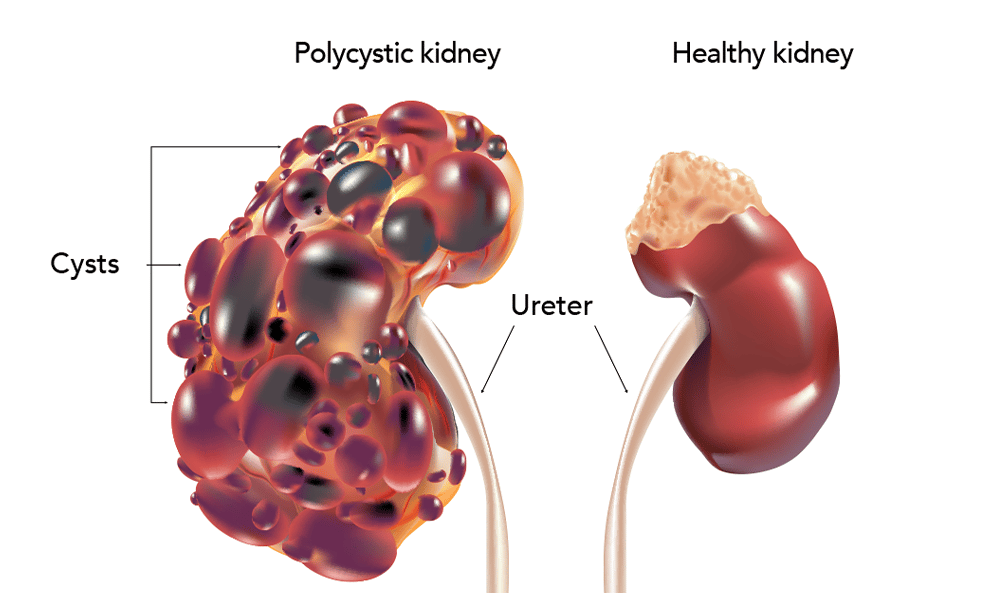
Diabetic Kidney Disease is kidney damage caused by diabetes, usually from long-term strain on small kidney blood vessels and filters. It often has no symptoms at first, so urine and blood tests are central to finding it early. Early care focuses on slowing damage, lowering cardiovascular risk, and keeping medicines safe as kidney function changes.
Key Takeaways
- Often silent early: Many people feel well while urine albumin or eGFR changes.
- Two core tests: UACR checks urine protein, while eGFR estimates filtration.
- Later symptoms vary: Swelling, foamy urine, fatigue, nausea, and urination changes may occur.
- Treatment is layered: Glucose, blood pressure, kidney-protective medicines, diet, and monitoring all matter.
- Diet is individual: Sodium, protein, potassium, phosphorus, and carbohydrates depend on labs and care goals.
What Diabetic Kidney Disease Means
Diabetic Kidney Disease means the kidneys show damage or reduced function linked to diabetes. Doctors may also use the term diabetic nephropathy. The terms overlap, but diabetic nephropathy traditionally refers to kidney damage caused by diabetes, while Diabetic Kidney Disease is a broader modern term used in many care settings.
The kidneys filter waste and extra fluid from the blood. They also help regulate blood pressure, minerals, acid balance, and some hormones. When diabetes affects kidney filters, albumin, a blood protein, can leak into the urine. Filtration can also decline over time.
Two tests usually anchor screening. A urine albumin-to-creatinine ratio, or UACR, estimates how much albumin is leaking into the urine. An estimated glomerular filtration rate, or eGFR, estimates how well the kidneys filter blood. These tests matter because early disease may not cause pain, urine changes, or swelling.
Type 2 diabetes may be present for years before diagnosis, so kidney testing often starts soon after type 2 diabetes is found. For type 1 diabetes, clinicians usually begin routine screening after a period of living with the condition. If you want a deeper look at related terminology, see Diabetic Nephropathy.
Why it matters: Kidney damage can progress before symptoms make it obvious.
How Diabetes Can Harm the Kidneys
Diabetes can harm the kidneys by injuring tiny blood vessels and filtering loops called glomeruli. High blood glucose over time can damage these delicate structures. High blood pressure can add pressure across the kidney filters, increasing strain.
This process does not happen from one high reading. It usually reflects repeated or sustained stress from glucose, blood pressure, inflammation, and blood vessel changes. The filters may become leaky, allowing albumin into urine. Kidney tissue can also become scarred, and blood vessels may stiffen.
Diabetic kidney disease pathophysiology also involves the body’s salt and hormone systems. When kidney blood flow and pressure signals change, the kidneys may retain more sodium and fluid. This can worsen blood pressure, which can further stress the kidneys. The cycle is one reason blood pressure management is a major part of care.
Not everyone with diabetes develops kidney disease. Risk can rise with longer diabetes duration, high blood pressure, smoking, cardiovascular disease, family history, high cholesterol, and repeated high glucose exposure. Kidney disease and heart disease often overlap, so clinicians usually assess both risks together.
Symptoms and Warning Signs to Watch
Early kidney disease from diabetes often has no clear symptoms. Many people feel normal while UACR rises or eGFR starts to fall. That silent period is why routine screening is more reliable than waiting for how you feel.
When symptoms appear, they may reflect fluid buildup, waste buildup, anemia, or blood pressure changes. Possible diabetic nephropathy symptoms include:
- Foamy urine: Protein can make urine look bubbly or frothy.
- Swelling: Ankles, feet, hands, eyelids, or the face may look puffy.
- Fatigue: Low energy can occur as kidney function declines.
- Urination changes: Some people urinate more or less than usual.
- Appetite changes: Nausea, metallic taste, or poor appetite may occur later.
- Shortness of breath: Fluid overload or anemia can contribute.
These symptoms do not confirm kidney disease on their own. Heart disease, liver disease, medication effects, infection, and other kidney conditions can cause similar problems. New or worsening symptoms deserve medical review, especially when blood pressure is high or lab results have changed.
Seek urgent medical care for severe shortness of breath, chest pain, confusion, fainting, very little urine, sudden severe swelling, or symptoms of dangerously high or low blood sugar. Kidney disease can also change how some diabetes medicines act in the body, which may increase the need for medication review.
How Stages and Diagnosis Are Usually Determined
Diabetic kidney disease stages are usually based on both eGFR and urine albumin results. eGFR estimates filtration, while UACR estimates kidney filter leakiness. Together, they give a better risk picture than either test alone.
A single abnormal result may not be enough for diagnosis. Clinicians usually look for persistent changes over time. They may also check whether another factor could explain the result, such as urinary tract infection, heavy exercise, fever, dehydration, menstruation, heart failure, or certain medicines.
| Measure | Common Categories | What It Helps Show |
|---|---|---|
| eGFR | G1 to G5 | Estimated filtration, from preserved function to kidney failure range. |
| Urine albumin | A1 to A3 | Amount of albumin leaking into urine. |
| Blood pressure | Clinic and home readings | Pressure load on kidney blood vessels. |
| Blood glucose measures | Home readings and A1C | Glucose exposure that can affect kidney and vessel health. |
| Medication review | Prescription and non-prescription medicines | Kidney dosing, interactions, and avoidable kidney stressors. |
People sometimes ask about four stages of diabetic kidney disease. In practice, chronic kidney disease staging commonly uses five eGFR categories, plus albumin categories. Some education materials simplify the topic into early, moderate, advanced, and kidney failure stages. Your clinician may use both plain-language terms and lab-based categories.
An eGFR calculator can help you understand the filtration estimate discussed in lab reports. It is an educational tool for estimating a general kidney filtration metric, not a diagnostic test or replacement for clinician review.
eGFR Calculator
Estimate kidney filtration using the 2021 CKD-EPI creatinine equation.
These calculations are for education only and do not replace clinical advice, diagnosis, or treatment. Always confirm medical decisions with a qualified healthcare professional.
Testing may also include blood electrolytes, bicarbonate, cholesterol, urine microscopy, kidney imaging, or referral to a kidney specialist. Atypical features, such as blood in the urine, rapid kidney decline, sudden heavy protein loss, or symptoms that do not fit diabetes-related disease, may lead clinicians to look for other causes.
Treatment Focus: Slowing Kidney Damage
Diabetic kidney disease treatment usually aims to slow progression, reduce cardiovascular risk, and keep medicines safe as kidney function changes. There is no single plan that fits everyone. Care depends on diabetes type, eGFR, albumin level, blood pressure, heart history, pregnancy plans, other conditions, and medication tolerance.
Blood sugar and blood pressure targets
Blood sugar management can reduce strain on small blood vessels. The safest target varies by age, hypoglycemia risk, kidney function, pregnancy status, and other health conditions. People using insulin or medicines that can cause low blood sugar may need closer monitoring when kidney function changes.
Blood pressure control is also central. Clinicians often consider medicines that act on the renin-angiotensin system, such as ACE inhibitors or ARBs, when albuminuria or high blood pressure is present. These medicines require follow-up because kidney function and potassium can change after starting or adjusting treatment.
Kidney-protective diabetes medicines
Some diabetes medicines may be selected partly because of kidney or heart risk. SGLT2 inhibitors are one medication class that clinicians may consider for many adults with type 2 diabetes and chronic kidney disease, depending on eGFR and other factors. For class-level background, see SGLT2 Inhibitors.
Medication choice also depends on potassium, dehydration risk, infections, other prescriptions, and current kidney function. Some medicines need dose adjustment or extra monitoring as eGFR declines. Others may be avoided in certain situations. Do not stop, start, or change medicines based only on general information.
Potassium deserves special attention in kidney disease. Some kidney and heart medicines can raise potassium, and reduced kidney function can make high potassium harder to correct. Learn the warning context in Hyperkalemia Signs.
Heart risk, smoking, and weight factors
Kidney disease and cardiovascular disease often overlap. Cholesterol management, smoking cessation, physical activity within safe limits, sleep quality, and weight management may be part of care. These steps should be tailored, especially when fluid retention, neuropathy, heart disease, or advanced kidney disease affects exercise tolerance.
Research continues to examine diabetes medicines and kidney outcomes. For example, some readers may want context on GLP-1 receptor agonist research in chronic kidney disease, including Ozempic and CKD Evidence. This type of information should support discussion with a clinician, not replace individualized prescribing advice.
Food Choices With Kidney Disease and Diabetes
There is no universal list of foods to avoid with kidney disease and diabetes. The right pattern depends on kidney stage, potassium and phosphorus levels, blood pressure, weight goals, medications, appetite, and glucose response. A registered dietitian can help match food choices to lab results and preferences.
Sodium is often a practical starting point. High sodium intake can worsen blood pressure and fluid retention. Many people benefit from limiting highly processed foods, salty packaged meals, cured meats, instant soups, and large restaurant portions. Label reading matters because sodium can be high even when food does not taste salty.
Carbohydrate quality also matters. Sugary drinks, large refined starch portions, and low-fiber snack foods can raise glucose quickly. That does not mean every carbohydrate must be avoided. Portions, fiber, meal timing, activity, and medication effects all shape glucose response.
Protein advice should be individualized. Very high protein intake may not be appropriate for some people with chronic kidney disease, but too little protein can also be harmful, especially in older adults or people with poor appetite. Ask your care team before making large protein changes.
Potassium and phosphorus restrictions are not automatic. Some people with kidney disease need limits, while others do not. Lab results guide this decision. Without that context, cutting out many fruits, vegetables, dairy foods, beans, nuts, or whole grains can make meals less balanced than needed.
Quick tip: Bring recent kidney labs to any nutrition visit.
Practical Questions for Your Next Visit
Good kidney care is often built from repeated small decisions. A short question list can help you leave an appointment with clearer next steps.
- Testing frequency: How often should eGFR and UACR be checked?
- Blood pressure plan: Which home readings should be recorded?
- Medication safety: Do any medicines need kidney-based review?
- Low sugar risk: Could kidney changes increase hypoglycemia risk?
- Diet priorities: Should sodium, protein, potassium, or phosphorus change?
- Referral timing: When should a kidney specialist be involved?
- Sick-day plan: Which medicines need review during dehydration or illness?
For broader browsing, the Nephrology Articles collection groups kidney-related educational topics. The Diabetes Articles collection can also help you explore connected diabetes care topics.
If you are reviewing medication categories with a clinician, condition and product-category pages may help with navigation. The Diabetes Condition Hub lists diabetes-related resources, while the Nephrology Product Category is a browseable product collection.
Authoritative Sources
- NIDDK diabetic kidney disease information covers causes, testing, prevention, and treatment basics.
- CDC diabetes and chronic kidney disease guidance explains why kidney screening matters in diabetes care.
- National Kidney Foundation stage information reviews diabetes and kidney disease stages in patient-friendly terms.
Living with Diabetic Kidney Disease often means tracking trends rather than reacting to one number. Early testing, careful medication review, blood pressure management, and individualized nutrition can help guide safer decisions with your healthcare team.
This content is for informational purposes only and is not a substitute for professional medical advice.











