


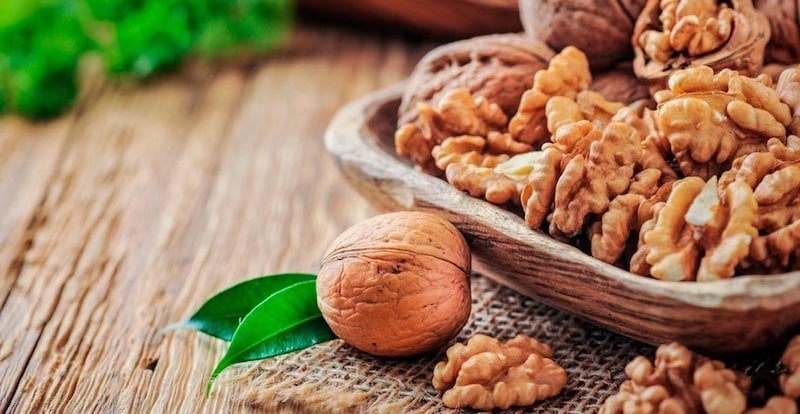
Understanding how walnuts and diabetes intersect helps you plan smarter meals. This guide explains benefits, limits, and practical portions to support stable glucose.
Key Takeaways
- Low glycemic load, but calorie-dense; measure portions.
- Rich in ALA omega-3s, fiber, and polyphenols.
- Best used with meals or snacks containing protein.
- Choose unsalted, minimally processed forms most often.
Walnuts and Diabetes: What the Research Suggests
Walnuts provide alpha-linolenic acid (ALA), fiber, magnesium, and polyphenols. These nutrients may support cardiometabolic health by improving lipid profiles and lowering oxidative stress. In observational data and small clinical trials, nuts are linked with better cardiovascular markers, a key priority in diabetes. Medical nutrition guidance promotes patterns emphasizing unsaturated fats and fiber, which walnuts deliver.
For context, the American Diabetes Association highlights balanced eating patterns with unsaturated fats and whole foods that may aid glycemic stability and weight management (see related ADA guidance). ALA is an essential omega-3 that can be converted in small amounts to EPA and DHA, contributing to heart health (NIH background on ALA). For mechanisms involving plant antioxidants, see Polyphenols and Diabetes for mechanisms and study summaries. Lipid management also matters; for biomarker context, see Triglycerides and Diabetes for thresholds and targets.
Nutrient Profile, Glycemic Impact, and Portion Control
Walnuts are low in digestible carbohydrate and have a very low glycemic load. Typical portions provide roughly 185–200 calories per ounce (28 g), primarily from unsaturated fats. This profile fits a low-glycemic pattern when portions are controlled. If you are asking whether are walnuts good for diabetics, the answer is that they can fit well when measured and paired with other whole foods.
Use a measured handful or a 1-ounce serving to manage energy intake. Combine with protein and fiber to slow absorption. For broader meal-structuring strategies, see the Diabetes Diet guide for plate-building examples and carbohydrate distribution.
Practical Portions and Timing
Most people do well with small, consistent amounts rather than large servings. A practical approach is one ounce of walnuts as a snack or topping once daily, adjusted for your calorie budget and activity. If you wonder how many walnuts should a diabetic eat daily, a modest 1 ounce is a reasonable starting reference, but individual needs vary with goals. Pair walnuts with Greek yogurt or berries, or add them to vegetable-based meals to increase satiety without excessive carbohydrate.
Comparing Nuts: Almonds, Cashews, Pecans, and Pistachios
Different nuts offer distinct nutrient profiles. Almonds supply vitamin E and magnesium; pistachios offer potassium and plant protein; pecans are rich in monounsaturated fats. Cashews contain more starch than some nuts, prompting the common question: do cashews raise blood sugar? The overall glycemic impact remains low in typical portions, but pairing with protein and fiber still helps.
Pecans can fit a diabetes-friendly plan when portions are controlled; many ask, are pecans good for diabetics? Their low carbohydrate content and favorable fats can support heart-focused eating. For cashew-specific nuances, see Cashews and Diabetes for carb content and portion strategies. For broader comparisons across varieties, consult Best Nuts for Diabetics for ranking criteria and practical swaps.
Seeds and Mixed Snacks: Sunflower, Pumpkin, and Flax
Seeds offer similar benefits with different micronutrients. Sunflower seeds provide vitamin E and healthy fats; pumpkin seeds add magnesium, iron, and plant protein. Used in measured amounts, seeds can add crunch and satiety to salads, yogurt, and grain bowls without large glucose excursions. Many readers ask about sunflower seeds good for diabetes; they can fit well in small servings, especially alongside vegetables.
Consider mixed walnut-and-seed snacks to diversify nutrients and reduce monotony. Incorporate them into a Mediterranean-style pattern emphasizing plants, legumes, and fish for heart protection. For a pattern overview with meal examples, see Mediterranean Diet and Diabetes to understand food groups and portion emphasis. When adding seeds to breakfast bowls, Oatmeal and Diabetes offers advice on fiber types and topping choices.
Choosing and Using Walnuts
Select raw or dry-roasted, unsalted walnuts most often. Pre-flavored options may include added sugars or sodium, which can undermine cardiometabolic goals. Store walnuts in airtight containers in the refrigerator or freezer to protect oils from rancidity. If you prefer smoother textures, walnut butter can replace part of the fat in dressings or smoothies.
For menu planning, match choices to your goals and labs. If you are considering variety and asking which nuts are good for diabetics, focus on those with low net carbs and unsaturated fats. For beverage-based uses, see Almond Milk and Diabetes for comparisons and sweetener concerns. When building full meals, Food for Diabetics outlines pantry staples and meal prep tips.
Safety Considerations and Interactions
Tree-nut allergies are a clear contraindication. Read labels and avoid cross-contamination if you or your household members have allergies. Walnuts are calorie-dense; frequent large servings may lead to weight gain, which can affect insulin sensitivity. Chew well if you have dental issues or swallowing concerns, or use nut butter or finely chopped forms.
Medication interactions are uncommon with typical walnut intake, but monitor your overall fat and fiber load if digestion is sensitive. Those with pancreatitis history, gallbladder disease, or malabsorption conditions should individualize fat intake with a clinician or dietitian. For spreadable alternatives and sodium considerations, see Peanut Butter and Diabetes for label-reading and portion guidance. For background on low-glycemic eating patterns, the University of Sydney’s glycemic index database can help contextualize foods (glycemic index reference).
Practical Meal Ideas
Use walnuts as a topping rather than the base. Sprinkle them on leafy salads with olive oil and vinegar. Add chopped walnuts to roasted vegetables, whole-grain bowls, or yogurt parfaits. Blend a small spoonful into a smoothie for creaminess and healthy fats without major carbohydrate impact. These strategies increase satisfaction and help with portion control.
For snack planning, pair walnuts with lower-sugar fruit or raw vegetables for fiber. Keep portions measured to reduce mindless eating. If you are curating a shortlist of the best nuts for diabetics to eat, include walnuts along with almonds, pistachios, and pecans. For beverage or breakfast applications, see Almond Milk and Diabetes for sweetener tradeoffs, and review Best Diet for Insulin Resistance for broader pattern ideas.
Recap
Walnuts can support a diabetes-friendly pattern when portions are measured and meals are balanced. Their low glycemic load and favorable fat profile complement high-fiber foods. Combine them with vegetables, legumes, whole grains, and lean proteins to build resilient eating habits.
Adjust serving sizes to your energy needs, lab results, and preferences. If you use flavored products, read labels for added sugars and sodium. Keep variety in your rotation to capture different nutrients and maintain long-term adherence to your plan.
This content is for informational purposes only and is not a substitute for professional medical advice.











