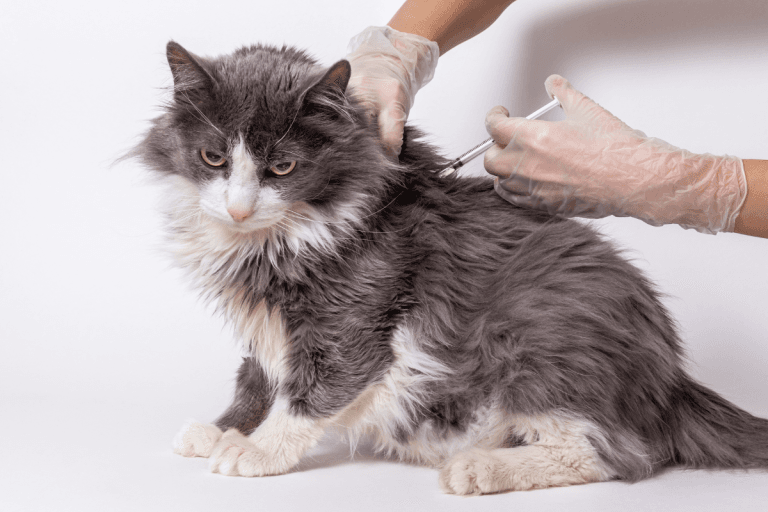
Doxycycline for dogs is a well-established veterinary antibiotic used against several bacterial and tick-borne infections. It belongs to the tetracycline class and slows bacterial growth rather than directly killing bacteria. This guide explains typical uses, major safety considerations, and practical tips for giving it correctly to dogs and cats. It also compares related antibiotics to help you understand treatment choices.
Key Takeaways
- Broad coverage antibiotic: used for respiratory, tick-borne, and dental infections.
- Give with water and food: helps reduce nausea and esophageal irritation.
- Avoid antacids/iron near dosing: mineral binding can lower absorption.
- Watch for GI upset and lethargy: call your vet if symptoms persist.
- Finish the full course: stopping early may encourage resistance.
What Is Doxycycline? Uses, Mechanism, and Spectrum
Doxycycline is a tetracycline-class antibiotic that acts as bacteriostatic (growth-stopping). It targets bacterial protein synthesis, which can help the immune system clear the infection. Veterinarians often choose it for tick-borne pathogens, some respiratory infections, periodontal disease, and certain intracellular organisms.
Coverage includes organisms such as Borrelia, Anaplasma, Ehrlichia, and Mycoplasma. It may also be used when atypical bacteria are suspected. For a neutral overview of veterinary use and pharmacology, see the Merck Veterinary Manual (Merck Veterinary Manual), which summarizes tetracycline indications and safety notes. Remember, antibiotics do not treat viruses, and culture or PCR testing may refine therapy when needed.
Doxycycline for Dogs: Dosage Basics and Weight Factors
Veterinarians calculate dosing using body weight, infection type, and the pet’s overall health. Tablets, capsules, and compounded liquids are common options; palatable liquids can help with picky eaters. Your veterinarian will determine the proper frequency and duration, often influenced by whether an acute or chronic infection is suspected.
Because weight-based decisions and comorbidities influence therapy, owners should avoid making independent dose changes. Discuss any missed doses or vomiting episodes before repeating a dose. If your pet receives other medicines, timing may affect absorption. Spacing doses from mineral-containing supplements or antacids reduces binding risks and helps maintain exposure.
Safety and Side Effects: What to Watch For
Most pets tolerate doxycycline, but gastrointestinal upset can occur. Nausea, reduced appetite, vomiting, or diarrhea are the most common signs. Esophageal irritation is possible, especially with dry-pill administration. Giving a meal or a small snack with a full water chaser may reduce these issues. If signs persist or worsen, consult your veterinarian promptly.
Less common effects may include photosensitivity, lethargy, or changes in stool. Dental discoloration can occur with tetracyclines in young animals. Rare hepatic injury has been reported. For a lay yet credible safety overview, VCA provides general guidance on adverse effects (VCA Hospitals). Owners searching for doxycycline for dogs side effects should focus on patterns that persist beyond one or two doses and contact a professional for guidance.
Administration Tips, Food Interactions, and Missed Doses
Give doses with food or a small treat unless your veterinarian advises otherwise. Always provide water after tableted or encapsulated doses, and keep pets upright for a short period. This helps the pill clear the esophagus and may reduce irritation. If vomiting follows dosing, note the timing and call your clinic for next steps.
Minerals like calcium, iron, aluminum, or magnesium can bind doxycycline. If your pet uses gastrointestinal protectants, separate administration times. For example, sucralfate products require careful spacing; for binding concerns and product context, see Sucralfate. If nausea threatens adherence during therapy, talk to your vet about supportive options; for antiemetic background and dosing forms, see Cerenia Tablets and Injections. Owners often ask about doxycycline 100mg for dogs dosage; tablets come in multiple strengths, so veterinarians tailor the precise plan to the patient.
Special Scenarios: Coughs, Tick Exposure, and Dental Infections
Respiratory disease in dogs can involve viral and bacterial components. Doxycycline may be chosen when bacterial involvement or atypical pathogens are suspected. Supportive care and isolation guidance still matter in contagious coughs. For complicated or refractory respiratory infections, clinicians sometimes consider alternatives or adjuncts; for macrolide coverage context, see Azithromycin for Pets. Owners seeking clarity on doxycycline for dogs cough should understand that diagnosis drives selection and duration.
Tick-borne risks vary by geography and tick species. Testing and local epidemiology guide decisions after a bite or illness. The Companion Animal Parasite Council summarizes prevention and testing strategies; for neutral guidance on tick-transmitted disease management, see their recommendations (CAPC Lyme disease guidelines). Dental infections sometimes require antibiotics plus dental procedures. Clindamycin is another common choice for oral pathogens; for a detailed overview, see Antirobe Capsules Guide, and for a product view during dental planning, see Antirobe.
When Treatment Goes Wrong: Severe Reactions and Rare Outcomes
Serious reactions are uncommon but require action. Stop the medication and contact your veterinarian immediately if you notice severe vomiting, facial swelling, hives, collapse, yellow gums, or profound weakness. Suspected drug reactions sometimes need bloodwork, liver enzyme checks, or hospitalization to stabilize the patient.
Pet owners sometimes search for stories like doxycycline killed my dog. Correlation does not prove causation, especially when a severe underlying illness is present. If a tragic outcome occurs during or after therapy, speak with your veterinarian about a necropsy and adverse event reporting. Documenting events can help clarify cause, refine future care, and contribute to pharmacovigilance.
Cats: Key Differences and Care Notes
Cats are more prone to esophageal irritation and stricture with dry-pilling. Liquid formulations or water chasers are strongly preferred. Ask your veterinarian if a compounded liquid is appropriate. Never crush human extended-release tablets for feline use, and avoid expired drugs. Careful technique reduces the chance of complications.
Feline infections and tick-borne diseases may prompt similar antibiotic choices but sometimes require different dosing frequencies. If your cat cannot tolerate an oral option or needs parenteral therapy, your veterinarian may consider alternates; for context on injectable fluoroquinolones in cats, see Injection for Cats. For contrasting pharmacology and risks in another veterinary antibiotic class, see the broader Antibiotic Guide for Pet Owners.
Compare and Related Treatments
Clinicians choose antibiotics based on culture data, suspected organisms, drug penetration, and patient factors. Beta-lactams such as cephalexin or amoxicillin-clavulanate may be preferred for skin infections or bite wounds. Fluoroquinolones may be reserved for specific resistant organisms. Your veterinarian weighs risks, benefits, and stewardship to pick the most appropriate therapy.
For overviews useful to pet owners comparing options, see Cephalexin for Dogs and Cats for skin and urinary contexts, and Antibiotic Uses and Safety for amoxicillin-clavulanate combinations. Broader pet wellness topics appear under Pet Health for supportive care ideas. When cough or GI signs complicate selection, clinicians also compare macrolides and antiemetics; relevant background appears in Azithromycin for Pets and Cerenia Tablets and Injections. Some owners ask for a doxycycline for dogs dosage chart; however, individualized veterinary direction remains the safest approach.
Recap
Doxycycline is a versatile antibiotic with broad applications in canine and feline medicine. Success depends on correct diagnosis, weight-based dosing, and careful administration technique. Monitor for gastrointestinal signs, separate from mineral-containing products, and finish the prescribed course. When treatment seems off-track, contact your veterinary team early and document events thoroughly.
Note: Separate doxycycline from sucralfate, antacids, or iron by several hours to reduce binding and maintain exposure.
Tip: Use a pill chaser—offer water or a small treat after dosing—to help the tablet clear the esophagus, especially in cats.
This content is for informational purposes only and is not a substitute for professional medical advice.