The best GLP-1 for weight loss is not the same for every person. In 2025, clinicians usually compare expected weight response, side-effect tolerance, health history, dosing route, and access before choosing a therapy. Weekly injections remain the most established option for chronic weight management, while oral products and emerging pills may fit some people who want to avoid injections.
Why this matters: these medicines can affect appetite, digestion, blood sugar, and long-term treatment planning. A good choice should be effective enough to support your goals, but also tolerable and realistic to use over time.
Key Takeaways
- Best fit varies: goals, health history, and tolerance matter.
- Injections lead: weekly options have the strongest weight-management role.
- Pills are evolving: oral choices may suit some people, but instructions matter.
- Side effects are common: nausea, reflux, constipation, and fullness need planning.
- Monitoring protects progress: weight, symptoms, nutrition, and follow-up all count.
How GLP-1 Medicines Support Weight Loss
GLP-1 receptor agonists mimic a gut hormone that helps regulate appetite and digestion. They can increase fullness, reduce hunger signals, and slow gastric emptying, which means food leaves the stomach more slowly. These effects may help people eat less without relying only on willpower.
Some medicines in this area act on more than one hormone pathway. Tirzepatide, for example, acts on GLP-1 and GIP receptors. That difference may affect weight response and side effects, but it does not make one option automatically right for everyone. For a broader review of available choices, see GLP-1 Drugs for Weight Loss.
Using a glp-1 for weight loss also requires lifestyle support. Protein intake, resistance exercise, hydration, and constipation prevention often become more important as appetite falls. For general lifestyle context, the Weight Management collection can help readers explore related topics.
Which GLP-1 Is Best for Weight Loss?
The best GLP-1 for weight loss is usually the one that matches the person’s clinical needs and can be continued safely. For many adults, the strongest prescription options are injectable medicines approved for chronic weight management, including semaglutide and tirzepatide products. Selection still depends on diagnosis, contraindications, medication history, and practical fit.
People often ask which GLP-1 works fastest. Early weight change can vary widely. Dose escalation, appetite response, side effects, nutrition, activity, and missed doses all influence the pace. A faster early response is not always better if nausea, vomiting, or poor nutrition leads to stopping treatment.
Labels and indications also matter. Some products are approved for chronic weight management, while others are approved for type 2 diabetes and may be discussed in metabolic care. The difference is important because prescribing decisions, insurance rules, and monitoring plans may depend on the approved use in a given jurisdiction.
For a closer look at semaglutide and tirzepatide, see Tirzepatide vs Semaglutide. If you want a brand-focused comparison between two weight-management products, Wegovy vs Zepbound covers key differences without treating either as a universal winner.
Injectable Options, Oral Pills, and Supplements
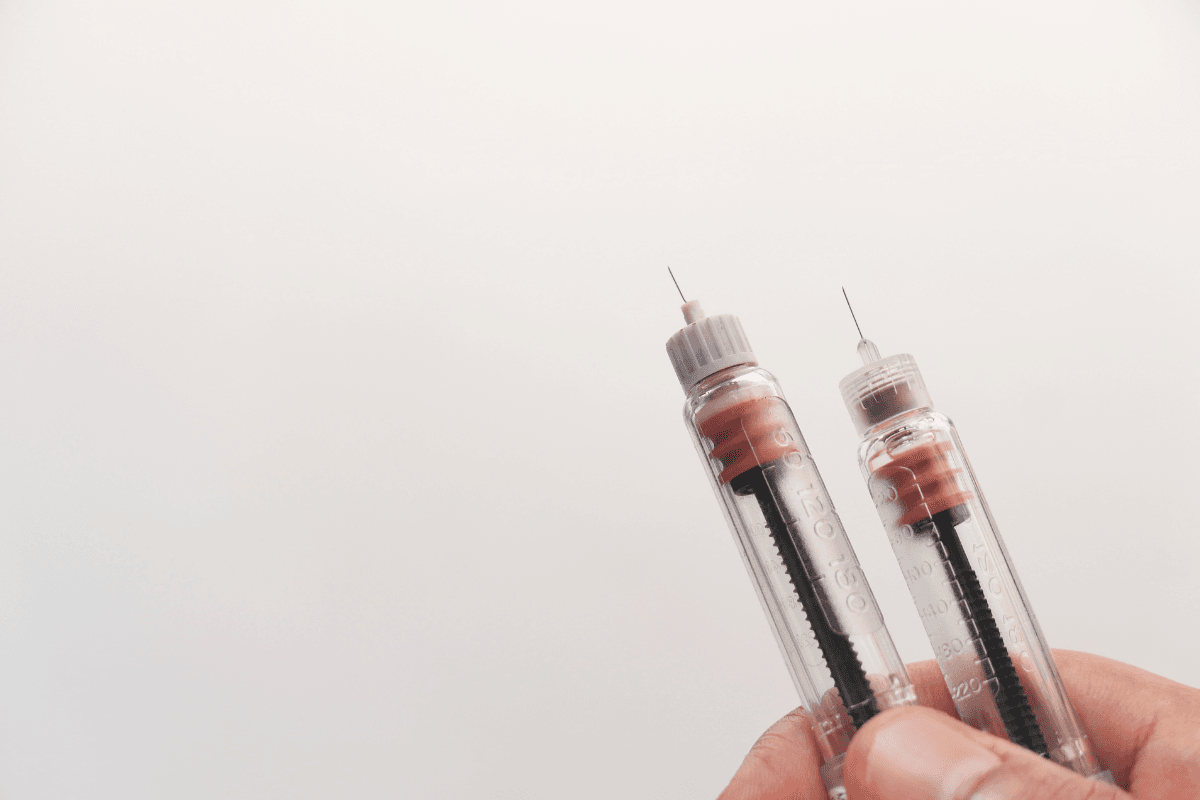
Injectable GLP-1 and incretin medicines remain central because they provide predictable exposure and structured dose escalation. Weekly injections may be easier for people who struggle with daily tablets. Daily injections may still be considered in selected situations, depending on the product and clinical plan.
Product pages can help readers identify route and formulation, but they should not replace medical review. For medication-specific navigation, see Wegovy, Zepbound, or Saxenda. These pages are most useful for checking product context, not for deciding eligibility on your own.
GLP-1 pills are a separate discussion. Oral semaglutide products use strict administration instructions, and absorption can be sensitive to timing, water intake, food, and other medications. Future oral candidates may broaden choices, but readers should distinguish approved prescription tablets from experimental or promotional claims.
GLP-1 supplements are not the same as prescription GLP-1 receptor agonists. Supplements may claim to support appetite, gut hormones, or metabolism, but they do not reproduce the same receptor-level action or label-backed outcomes. Over-the-counter products also vary in ingredients, testing, and interaction risks. People using diabetes medicines, blood pressure medicines, or anticoagulants should be especially cautious and ask a clinician or pharmacist before adding supplements.
Decision Factors Clinicians Usually Weigh
Choosing the best GLP-1 for weight loss starts with eligibility and safety. Clinicians commonly review body mass index, weight-related conditions, diabetes status, past pancreatitis or gallbladder disease, thyroid cancer history, pregnancy plans, gastrointestinal disorders, and current medications.
Practical fit comes next. A weekly injection may suit someone who wants fewer dosing events. A pill may suit someone who strongly avoids needles, but only if they can follow the timing rules. Cost, coverage, local availability, and pharmacy access can also shape the final plan.
CanadianInsulin.com functions as a prescription referral platform, and prescription details may be confirmed with the prescriber where required. Dispensing and fulfilment are handled by licensed third-party pharmacies where permitted. This access context can matter when readers compare medication routes, documentation needs, and jurisdiction-specific fulfilment rules.
A Practical Comparison Framework
- Indication match: confirm whether the product fits the intended use.
- Medical history: review contraindications and higher-risk conditions.
- Dosing route: compare weekly injections, daily injections, and oral tablets.
- Tolerability plan: prepare for nausea, constipation, reflux, or appetite loss.
- Monitoring needs: track weight, symptoms, glucose, and nutrition markers when relevant.
- Access reality: consider coverage, documentation, and local prescribing rules.
For people specifically comparing injection-based treatment, Best Injection for Weight Loss offers a narrower look at injectable choices. Readers comparing diabetes-labeled and weight-management-labeled options may also find Zepbound vs Ozempic useful for context.
Dosing, Tracking, and What to Expect
GLP-1 dosing for weight loss usually starts low and increases gradually. This slow titration helps the digestive system adapt. It also gives clinicians time to assess nausea, vomiting, constipation, reflux, hydration, and nutrition before the next step.
A semaglutide weight loss dosage chart or GLP-1 dosing chart can be helpful for orientation, but product labels and prescriber instructions control actual dosing. Do not change dose, restart after a gap, or combine products without medical guidance. Restart plans may differ after missed doses or side effects.
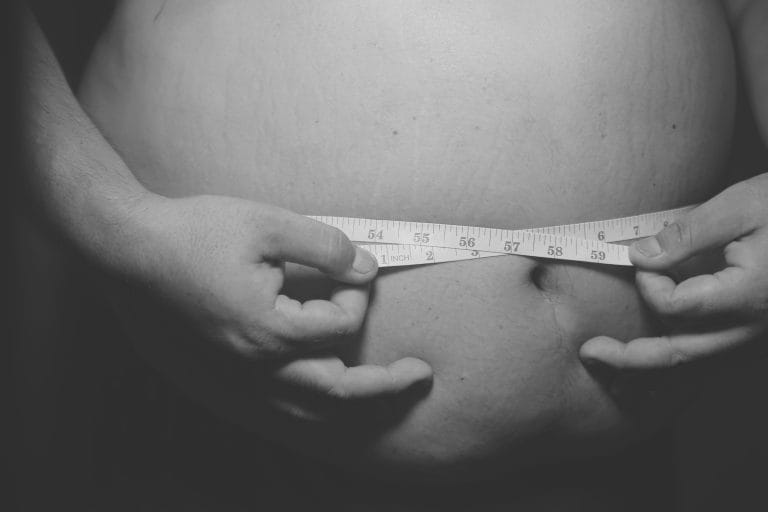
Weight tracking should be simple and consistent. Weekly weights, waist measurements, appetite notes, and side-effect logs often give a clearer picture than daily scale changes. If you are estimating progress toward a weight goal, this calculator can help compare starting weight, current weight, and goal progress. It does not determine eligibility or replace clinical advice.
Weight-Loss Progress Calculator
Track percentage body-weight change and progress toward a target weight.
These calculations are for education only and do not replace clinical advice, diagnosis, or treatment. Always confirm medical decisions with a qualified healthcare professional.
Quick tip: Track symptoms beside weight changes so follow-up visits are more useful.
Many people also ask how long it takes to lose a specific amount, such as 30 pounds. There is no reliable universal timeline. Response depends on the medicine, dose reached, adherence, diet quality, physical activity, sleep, medical conditions, and whether side effects limit treatment. A safer goal is steady monitoring rather than chasing a fixed date.
Side Effects and Warning Signs
GLP-1 side effects most often involve the gastrointestinal tract. Nausea, early fullness, burping, reflux, constipation, diarrhea, and reduced appetite are common, especially during dose escalation. Smaller meals, slower eating, hydration, and lower-fat food choices may improve comfort for some people.
More serious symptoms need prompt medical review. These include severe or persistent abdominal pain, repeated vomiting, dehydration, symptoms of gallbladder disease, allergic reactions, or signs of pancreatitis. Product labels also include warnings about thyroid C-cell tumors, and people with certain personal or family histories may be advised to avoid these medicines.
Non-diabetic adults may be candidates for chronic weight-management medicines if they meet label and clinical criteria. However, glp-1 weight loss non diabetic use still needs screening and monitoring. Pregnancy, planned conception, breastfeeding, severe gastrointestinal disease, and eating disorder history require careful discussion before treatment.
Where Non-GLP-1 Weight Loss Pills Fit
Some people cannot use GLP-1 medicines or prefer not to. In those cases, clinicians may discuss other FDA-approved weight loss pills or non-GLP-1 options. These medicines work through different mechanisms, such as reducing fat absorption, affecting appetite pathways, or changing reward-related eating patterns.
The phrase weight loss pills that actually work can be misleading because effectiveness depends on indication, dose, adherence, and safety. The strongest weight loss prescription pill for one person may be inappropriate for another because of blood pressure, seizure risk, pregnancy potential, medication interactions, or gastrointestinal history. Over-the-counter products should be viewed with more caution because evidence and quality control vary.
For readers browsing prescription and related product categories, the Weight Management Products category can provide navigation. Use it as a product list, not as a substitute for medical advice or label review.
Authoritative Sources
For official prescribing details, review the FDA label for Zepbound, including contraindications, warnings, and dose-escalation language.
For public health information on obesity treatment options, the NIDDK overview of prescription weight-loss medicines explains when medications may be considered.
For a broader clinical summary of obesity and treatment approaches, see the CDC obesity information hub.
Recap
The best GLP-1 for weight loss is the option that balances expected benefit, safety, side effects, dosing fit, and access. Injectable medicines remain the main prescription choices for chronic weight management, while oral products and future pills may expand options for selected people.
Use labels, clinician review, and structured monitoring to guide decisions. Be cautious with supplements, avoid dose changes without medical input, and seek care for severe or persistent symptoms. The goal is not simply choosing the strongest medicine; it is choosing a plan that can be used safely and consistently.
This content is for informational purposes only and is not a substitute for professional medical advice.