


Getting Rybelsus dosing right helps improve glycemic control while reducing side effects. This guide explains starting doses, how to take each tablet, and when titration may be considered. You will also find practical tips on timing, switching from injections, and handling missed doses. Use this as a reference to prepare for an informed conversation with your clinician.
Key Takeaways
- Start low, then titrate after at least 30 days.
- Take on an empty stomach with water only.
- Do not split, chew, or double up tablets.
- Maximum approved daily dose is 14 mg.
- Switching regimens should be clinician-directed and individualized.
Rybelsus dosing: Start Low, Titrate With Care
Oral semaglutide begins with an initial 3 mg tablet once daily for at least 30 days. This introductory period helps your gastrointestinal tract adjust to the medication. After 30 days, many patients transition to 7 mg once daily for ongoing glycemic management. Some may later step up to 14 mg if additional A1C reduction is needed and the dose is well tolerated.
Prescribers individualize the schedule based on A1C targets, tolerability, and existing therapies. Dose changes are not routine or automatic; they follow clinical assessment and shared decision-making. For official details on indications, administration, and warnings, review the prescribing information provided by the manufacturer (prescribing information), which outlines the approved initiation and dose-escalation steps.
Recent practice guidance places GLP-1 therapies within a broader cardiometabolic framework. For positioning alongside other first-line and add-on options, see the ADA Standards of Care, which summarize evidence-based use in type 2 diabetes.
Taking Rybelsus Correctly: Timing, Food, and Missed Doses
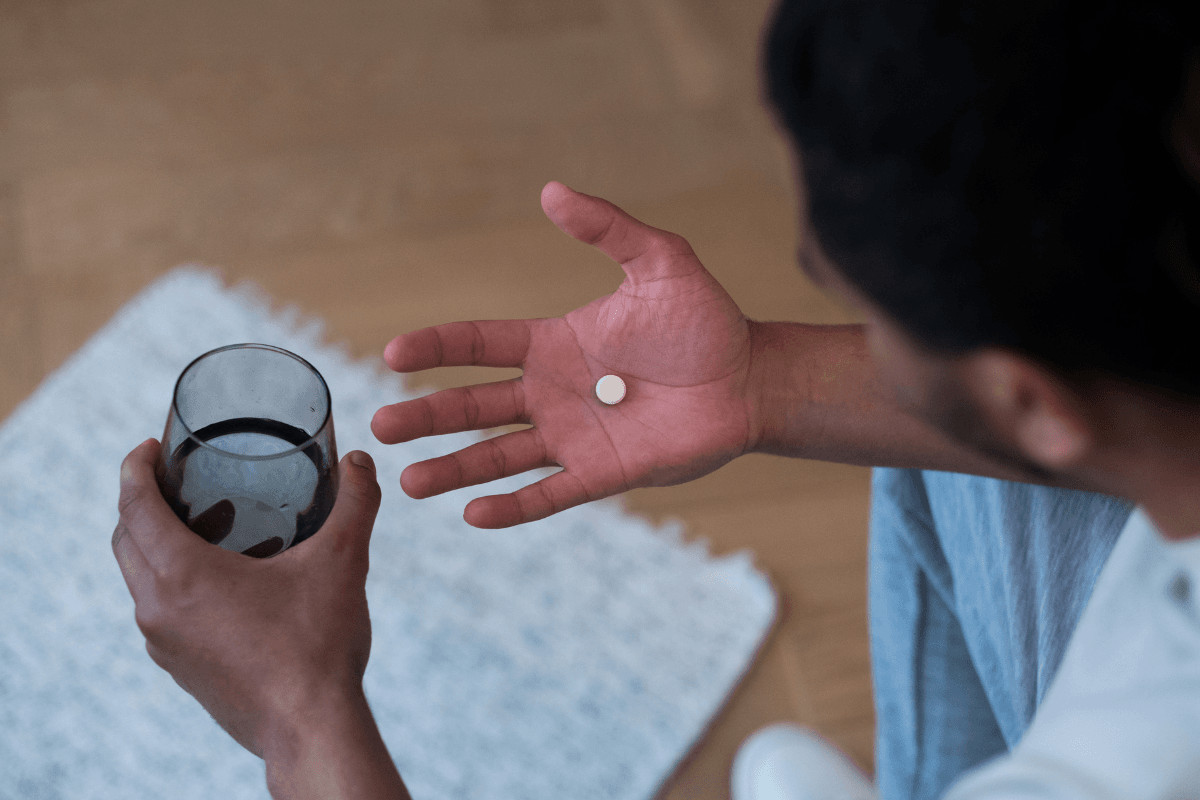
Take the tablet on an empty stomach when you first wake up. Swallow whole with up to 4 ounces (120 mL) of plain water only. Wait at least 30 minutes before eating, drinking anything besides water, or taking other oral medicines. Correct timing improves absorption, which can affect glycemic results.
People often ask, can you take rybelsus at night. The label specifies administration before the first food or beverage of the day, so morning dosing is recommended. If you miss a dose, take the next dose the following morning; do not take two doses on the same day. For background on how oral semaglutide works over time, see Rybelsus Semaglutide for a concise mechanism overview.
Tip: If you take other morning medications, plan a clear 30-minute gap to avoid absorption issues. For coordinating common therapies like metformin, this Metformin Comprehensive Guide explains timing considerations that may help organize your routine.
To explore additional administration articles and patient-focused explainers, the Diabetes Articles collection offers broader context for daily management choices.
From 7 mg to 14 mg: Goals, Limits, and Special Cases
After the 30-day introduction, many patients transition to 7 mg daily. If glycemic control remains above target and tolerability is acceptable, clinicians may consider 14 mg after another 30 days or longer. The rybelsus max dose is 14 mg once daily. Doses above this have not been established for safety or efficacy in type 2 diabetes.
Note: Do not split or crush tablets. Taking two 7 mg tablets to substitute for a 14 mg tablet is not recommended. Likewise, do not cut a 14 mg tablet in half. These tablets are formulated for specific gastric conditions, and altering them can change exposure. If you have concerns about availability, talk with your prescriber; reports about 7 mg or 14 mg products being discontinued often reflect temporary supply shifts rather than a permanent change.
When oral therapy is difficult to tolerate or titrate, discuss alternative GLP-1 options. For an overview of injectables used in similar pathways, see Ozempic Semaglutide Pens for injection-format considerations, or review First-Line Treatment to understand evolving placement in care algorithms.
Weight Management Considerations and Injectable Comparisons
Some patients ask about rybelsus dose for weight loss. Rybelsus is approved for improving glycemic control in adults with type 2 diabetes. Weight changes can occur, but the medication is not specifically indicated for obesity management. If weight management is a primary goal, discuss whether a GLP-1 or dual agonist labeled for obesity may be more appropriate for you.
Patients also compare oral and injectable options for weight outcomes. Rather than expecting direct dose equivalence, focus on overall response, tolerability, and cardiometabolic risk. For context on broader GLP-1 impacts, see GLP-1 Weight Loss for population-level insights, and review Orforglipron vs Rybelsus to understand how emerging oral agents compare in development.
If you currently use injectable semaglutide, this article on How Long Ozempic offers perspective on therapy duration and priorities, which may inform discussions about switching, adherence, and long-term goals.
Switching, Missed Doses, and Nonstandard Schedules
Switching regimens happens for several reasons, including tolerability, convenience, or supply. When switching from ozempic to rybelsus, timing and dose selection are individualized by your clinician. There is no one-size equivalence, because oral bioavailability differs from injection. Your prescriber will consider your current A1C, prior dose, and gastrointestinal tolerability before selecting a starting oral dose.
Alternate-day schedules may reduce adherence and are not supported by labeling. Taking extra tablets to “catch up” can worsen side effects without improving control. If you miss a day, simply resume the next morning. For broader GLP-1 comparisons, the Mounjaro KwikPen Guide explains how weekly injectables differ, while the Type 2 Diabetes category groups related treatment discussions.
Safety Monitoring and When to Pause or Stop
Most side effects are gastrointestinal, including nausea, abdominal discomfort, and decreased appetite. These often appear at initiation or after dose increases and may lessen over time. For sensitive patients, the rybelsus 3 mg dosage phase allows careful acclimatization. If symptoms remain persistent or severe, your clinician may prolong the lower dose or reconsider treatment.
Notify your clinician about risk factors such as history of pancreatitis, gallbladder disease, or diabetic retinopathy. Report significant dehydration, persistent vomiting, or signs of allergic reaction promptly. Periodic A1C, kidney function, and weight assessments help track benefit versus tolerability. For comparative safety with other oral options, see Rybelsus vs DPP-4 for cardiovascular context.
Quick Reference Dosage Table
Use this simplified chart to understand typical steps. Your actual plan may differ based on your clinician’s assessment of goals, response, and tolerance. Always confirm changes with your healthcare professional before adjusting any dose or schedule.
| Therapy Stage | Daily Dose | Typical Minimum Duration | Notes |
|---|---|---|---|
| Initiation | 3 mg once daily | At least 30 days | On empty stomach; water only; assess GI tolerance |
| Maintenance (Step 1) | 7 mg once daily | Ongoing | Evaluate A1C and tolerability after dose change |
| Maintenance (Step 2, if needed) | 14 mg once daily | After ≥30 days on 7 mg | Consider if more A1C reduction is needed |
People sometimes ask, can you just stop taking rybelsus. Stopping abruptly may raise blood glucose and reverse gains in A1C. If side effects or life changes make continuation hard, contact your clinician to plan a safe transition. For product specifics, see Rybelsus Semaglutide Pills for formulation and strengths, which can guide practical discussions about packaging and dosing.
For those comparing across medication classes, Triple Combination Therapy outlines rational add-on strategies, helping you and your clinician align therapy with A1C targets and comorbidities.
As treatment goals evolve, regularly review your plan and lab values. Steady routines, clear timing, and early reporting of side effects help maintain consistency. When preferences or tolerability change, discuss options promptly to avoid treatment gaps.
This content is for informational purposes only and is not a substitute for professional medical advice.











