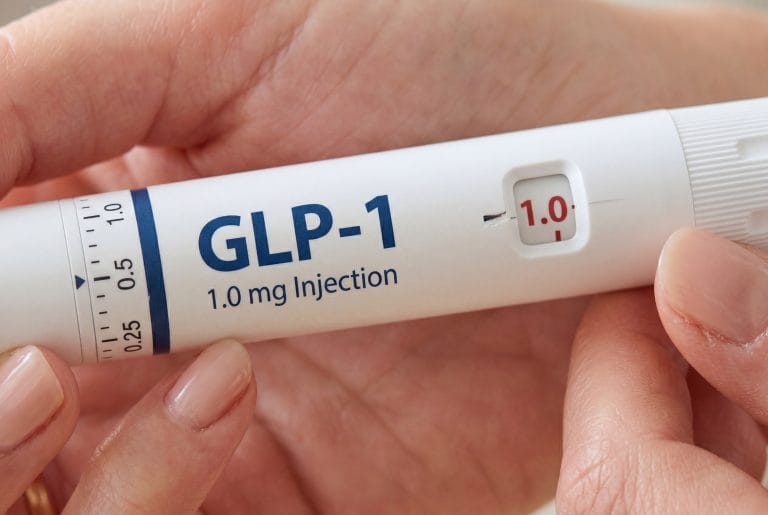
The question ‘how does Retatrutide work’ has a short answer: retatrutide is being studied as a triple receptor agonist that activates GLP-1, GIP, and glucagon pathways. These hormone signals help regulate appetite, fullness, glucose-dependent insulin release, and energy use. That matters because the drug is not designed as a simple stimulant or fat burner. It tries to influence several metabolic control points at once, which is why researchers are studying it for obesity and type 2 diabetes-related outcomes.
Key Takeaways
- Retatrutide is investigational and remains subject to clinical research and regulatory review.
- Its mechanism targets three receptors: GLP-1, GIP, and glucagon.
- The proposed effects involve appetite signaling, glucose response, and energy metabolism.
- It should not be viewed as a self-directed weight-loss shortcut or a guaranteed result.
- Trial protocols, safety monitoring, and official labels matter more than online dosing claims.
How Does Retatrutide Work in the Body?
Retatrutide works by mimicking selected gut-hormone signals that communicate with the brain, pancreas, stomach, liver, and fat tissue. In drug-development terms, it is an agonist, meaning it activates a receptor rather than blocking it. Its main distinction is that one molecule is designed to stimulate three receptor pathways instead of one.
Those pathways are part of the incretin and metabolic hormone system. Incretins are gut hormones released after eating that help coordinate insulin release, appetite, and nutrient handling. Retatrutide is being studied because researchers want to know whether combining these signals can produce meaningful metabolic effects while maintaining an acceptable safety profile.
GLP-1 receptor: fullness and glucose signaling
GLP-1 stands for glucagon-like peptide-1. This pathway is already familiar because several approved diabetes and weight-management medicines act on GLP-1 receptors. GLP-1 signaling can support glucose-dependent insulin release, reduce appetite signals, and slow stomach emptying in some contexts. Glucose-dependent means the effect is more closely tied to blood glucose levels than a fixed insulin push.
For patients, the plain-language idea is easier: GLP-1 activity can make meals feel more satisfying and may reduce the drive to keep eating. It may also help smooth post-meal glucose changes. These effects vary by person and by medication, so they should not be treated as automatic.
GIP receptor: nutrient response and insulin support
GIP stands for glucose-dependent insulinotropic polypeptide. Like GLP-1, it is released after food intake and plays a role in insulin signaling. Researchers continue to study how GIP receptor activation affects appetite, fat tissue, and metabolic health when paired with other incretin pathways.
GIP is not simply a stronger version of GLP-1. It has its own receptor and its own tissue distribution. The reason it matters in retatrutide research is the possibility that GIP activity may complement GLP-1 effects rather than duplicate them.
Glucagon receptor: energy use with trade-offs
Glucagon is often described as insulin’s counter-regulatory hormone because it can raise blood glucose when the body needs fuel. That makes the glucagon receptor an important but more complicated target. In retatrutide research, glucagon receptor activity is being explored for its potential role in energy expenditure and fat metabolism.
This part of the mechanism needs careful interpretation. Activating glucagon pathways may have metabolic advantages, but it also requires attention to glucose, heart rate, and overall tolerability. The goal is not to raise glucose without control. The research question is whether the combined GLP-1, GIP, and glucagon effects can create a useful balance.
Why Triple Receptor Action Is Different
A triple agonist is different because it tries to coordinate three biological messages at the same time. Some medications act mainly through GLP-1. Dual agonists act on two pathways, such as GIP and GLP-1. Retatrutide adds glucagon receptor activity to that incretin foundation.
A practical way to think about the Retatrutide mechanism of action is to separate food intake from energy handling. GLP-1 and GIP pathways may influence appetite and glucose-dependent insulin response. Glucagon receptor activity may influence how the body mobilizes and uses energy. The combined design is why retatrutide is often called a Retatrutide triple agonist in research discussions.
Why it matters: More receptor targets can mean more complexity, not just more benefit.
For broader background on this medicine class, see GLP-1 Explained. That context helps separate established incretin therapy from newer experimental approaches.
What Clinical Trials Can and Cannot Tell Us Yet
Clinical trials are the main reason retatrutide has attracted attention. Published mid-stage research has reported weight and metabolic changes in selected study groups, but those findings do not make retatrutide a routine treatment. Larger and longer studies are needed to clarify who may benefit, which risks matter most, and how results compare with existing options.
Trial participants are not the same as general consumers. They follow defined entry criteria, scheduled visits, protocol-based dose changes, and safety reporting rules. That structure can make study results more reliable, but it also limits how directly the findings apply to people outside a trial.
For a broader research snapshot, CanadianInsulin has a deeper overview of Retatrutide Research Peptide. For a shorter orientation to the basic concept, read What Is Retatrutide.
It is also important to avoid turning trial doses into personal instructions. Study protocols use carefully selected schedules and monitoring plans. Online dose charts, especially those tied to unverified products, should not be treated as medical guidance.
Appetite, Metabolism, and Weight-Loss Expectations
Retatrutide is not best understood as a drug that directly burns fat. Body fat changes when appetite, calorie intake, energy expenditure, hormones, sleep, activity, and underlying disease factors shift over time. A medication may influence some of those factors, but it does not bypass biology.
Some people in incretin-based treatment settings notice appetite changes before they see measurable weight change. Others notice nausea, fullness, or food aversions first. With an investigational drug such as retatrutide, the safest wording is that responses in trials may not predict an individual result.
The phrase Retatrutide appetite and metabolism captures the central idea. Researchers are studying whether receptor activity can reduce hunger signals, improve meal-related glucose handling, and affect energy use. Those effects would still interact with nutrition, activity, sleep, stress, other medications, and health conditions.
Questions about feeling better on a medication also need nuance. Less food noise, steadier meal patterns, or improved glucose trends may make some people feel better. Side effects, under-eating, dehydration, or low glucose can make others feel worse. Mood, energy, and appetite changes should be discussed with a clinician or trial team, especially if they are intense or unexpected.
For a related discussion of possible advantages and limits, see Retatrutide Benefits. Treat any benefits discussion as research context, not a promise of personal results.
Safety Signals Need Careful Interpretation
Retatrutide side effects are still being defined through clinical research. Incretin-based medicines often raise questions about nausea, vomiting, diarrhea, constipation, abdominal discomfort, dehydration, and appetite suppression. Trial reports have also monitored changes such as heart rate and laboratory markers. The final safety picture depends on larger data sets and longer follow-up.
Safety also depends on the person. A history of pancreatitis, gallbladder disease, severe gastrointestinal symptoms, kidney problems from dehydration, pregnancy, eating disorders, or insulin-treated diabetes can change the risk discussion. These are not reasons to guess. They are reasons to involve a qualified clinician.
Seek urgent medical advice for severe abdominal pain, repeated vomiting, signs of dehydration, fainting, severe allergic symptoms, jaundice, or symptoms of significant low blood glucose. If someone is enrolled in a clinical trial, the study team should know about new or worsening symptoms promptly.
Unverified research products add another risk. A vial or product sold outside appropriate medical and regulatory channels may not match the medicine studied in trials. It may have different purity, concentration, storage history, or labeling. That uncertainty can make both effects and side effects harder to interpret.
How Retatrutide Compares With Related Drug Classes
The key comparison is not whether one medicine is universally better. The key question is which receptor pathways are being targeted and what evidence supports their use. Retatrutide is often discussed beside GLP-1 and dual incretin medicines because all three approaches affect appetite and metabolism in different ways.
| Approach | Main receptor pathway | Why it matters |
|---|---|---|
| GLP-1 receptor agonist | GLP-1 | Focuses on incretin signaling tied to appetite, fullness, and glucose-dependent insulin release. |
| Dual incretin agonist | GIP and GLP-1 | Combines two incretin pathways that may complement each other in metabolic regulation. |
| Triple receptor agonist | GIP, GLP-1, and glucagon | Adds glucagon receptor activity, which may affect energy use and requires careful monitoring. |
For more focused comparisons, see Retatrutide vs Semaglutide and Retatrutide vs Tirzepatide. Use those comparisons to understand mechanisms and evidence gaps, not to self-select treatment.
Availability, Dosing Terms, and Access Questions
Retatrutide availability depends on trial progress, regulatory review, and authorized supply channels. It should not be assumed to be interchangeable with approved medicines, compounded products, or research-labeled peptides. If an official label becomes available in a jurisdiction, that label will define approved uses, dosing, contraindications, warnings, and monitoring requirements.
Retatrutide dosage is also a research-specific topic unless a regulator-approved label exists. Trial dosing is selected for study design, not for casual copying. A person who sees online dosing instructions should ask where the information came from, whether it matches an official protocol, and whether medical monitoring is included.
For background on how dosing is discussed in research settings, read Retatrutide Dosing Research. For wider browsing across related educational content, the Weight Management Hub lists posts on obesity care, diabetes, and incretin medications.
For prescription items, CanadianInsulin.com may help confirm prescription details with the prescriber. Licensed third-party pharmacies handle dispensing where permitted. Those service details do not change the clinical point: experimental medicines require appropriate medical oversight and lawful access.
That is why the query ‘how does Retatrutide work’ is also an access and safety question. Understanding the receptor science helps, but it does not replace official approval status, a clinician’s assessment, or trial-based monitoring.
Authoritative Sources
- New England Journal of Medicine phase 2 trial: peer-reviewed study data on retatrutide in adults with obesity.
- Current ClinicalTrials.gov listings for retatrutide studies: official registry information on active and completed trials.
- FDA drug development and approval process: regulatory context for how investigational drugs are evaluated.
Retatrutide is best understood as a research-stage triple receptor agonist with a complex metabolic design. The science is promising enough to study closely, but practical decisions should wait for stronger evidence, regulatory decisions, and individualized medical guidance.
This content is for informational purposes only and is not a substitute for professional medical advice.